


Say Goodbye to Teeth Grinding – Discover Effective Solutions for Bruxism Today!

Understanding Bruxism (Teeth Grinding)
Bruxism, commonly known as teeth grinding, is a condition where an individual grinds, gnashes, or clenches their teeth. This often happens unconsciously, either while awake (awake bruxism) or during sleep (sleep bruxism). While occasional teeth grinding is generally harmless, chronic bruxism can lead to significant dental and health issues.
Causes of Bruxism
Bruxism can stem from various physical, psychological, and lifestyle factors, including:
- Stress and Anxiety: Emotional stress and anxiety are major contributors to teeth grinding. Individuals dealing with high levels of stress or psychological distress often exhibit bruxism as a coping mechanism.
- Sleep Disorders: Conditions like sleep apnea, characterized by pauses in breathing during sleep, are closely linked with sleep bruxism.
- Malocclusion: Improper alignment of teeth, also known as malocclusion, can lead to teeth grinding as the jaw attempts to find a more comfortable position.
- Medications and Substances: Certain medications, especially antidepressants, and stimulants like caffeine, alcohol, and nicotine, can increase the risk of bruxism.
- Lifestyle Factors: High levels of physical exertion, fatigue, and even certain habits like chewing gum excessively can contribute to bruxism.
Symptoms of Bruxism
Bruxism can present a variety of symptoms, which might vary in intensity. Common signs include:
- Teeth Grinding or Clenching: This is often loud enough to awaken a sleeping partner.
- Worn Tooth Enamel: This can lead to increased tooth sensitivity and visible wear patterns on the teeth.
- Jaw Pain or Tightness: Often experienced upon waking or after chewing. Pain or clicking that lasts may need a TMJ specialist assessment.
- Headaches: Especially around the temples, due to muscle strain.
- Earache: Caused by referred pain from jaw muscles.
- Disrupted Sleep: Both the individual and their partner might experience sleep disturbances.
Diagnosing Bruxism
Diagnosis typically involves:
- Dental Examination: A dentist can detect signs of bruxism through physical examination of the teeth and jaw.
- Patient History: Understanding symptoms and personal history can aid in identifying bruxism.
- Sleep Studies: For sleep bruxism, a polysomnography (sleep study) might be recommended to monitor and diagnose the condition.
Treatment Options for Bruxism
Effective management of bruxism involves a multifaceted approach:
- Night Guards: Custom-fitted nightguards or splints can protect teeth from grinding damage during sleep.
- Dental Corrections: Orthodontic treatments to correct misaligned teeth can alleviate bruxism caused by malocclusion.
- Stress Management: Techniques like meditation, counseling, and exercise can help reduce stress and anxiety, thus minimizing teeth grinding.
- Medications: In some cases, muscle relaxants or botulinum toxin (Botox) injections might be recommended to reduce muscle activity.
Nightguards for Bruxism
One of the most effective treatments for managing bruxism is the use of a dental nightguard. A nightguard is a custom-fitted oral appliance that you wear over your teeth while you sleep. How it helps:
- Protection Against Wear: The nightguard acts as a barrier between your upper and lower teeth, preventing the damage that grinding and clenching can cause. This protects the enamel and reduces the risk of tooth fractures and wear.
- Jaw Muscle Relaxation: By keeping your teeth separated, the nightguard helps reduce the tension in your jaw muscles, which can alleviate jaw pain and headaches associated with bruxism.
- Custom Fit for Comfort: Unlike over-the-counter mouthguards, custom nightguards are tailored to fit the unique shape of your mouth, providing optimal comfort and effectiveness. With this fit, the nightguard stays in place throughout the night without causing discomfort.
- Durability: Custom nightguards are made from high-quality materials designed to withstand the pressure of grinding, so they last longer and give consistent protection.
- Improved Sleep Quality: By reducing the symptoms of bruxism, a nightguard can help improve your overall sleep quality, allowing you to wake up feeling more rested and refreshed.
Bruxism, while common, can have significant repercussions if left untreated. Early diagnosis and a comprehensive treatment plan can mitigate the negative effects of teeth grinding, preserving dental health and overall well-being. For more information on nightguards and their benefits, you can visit the American Dental Association / Mayo Clinic on Bruxism or book a consultation with one of our expert dentists to determine if a nightguard is the right solution for you.
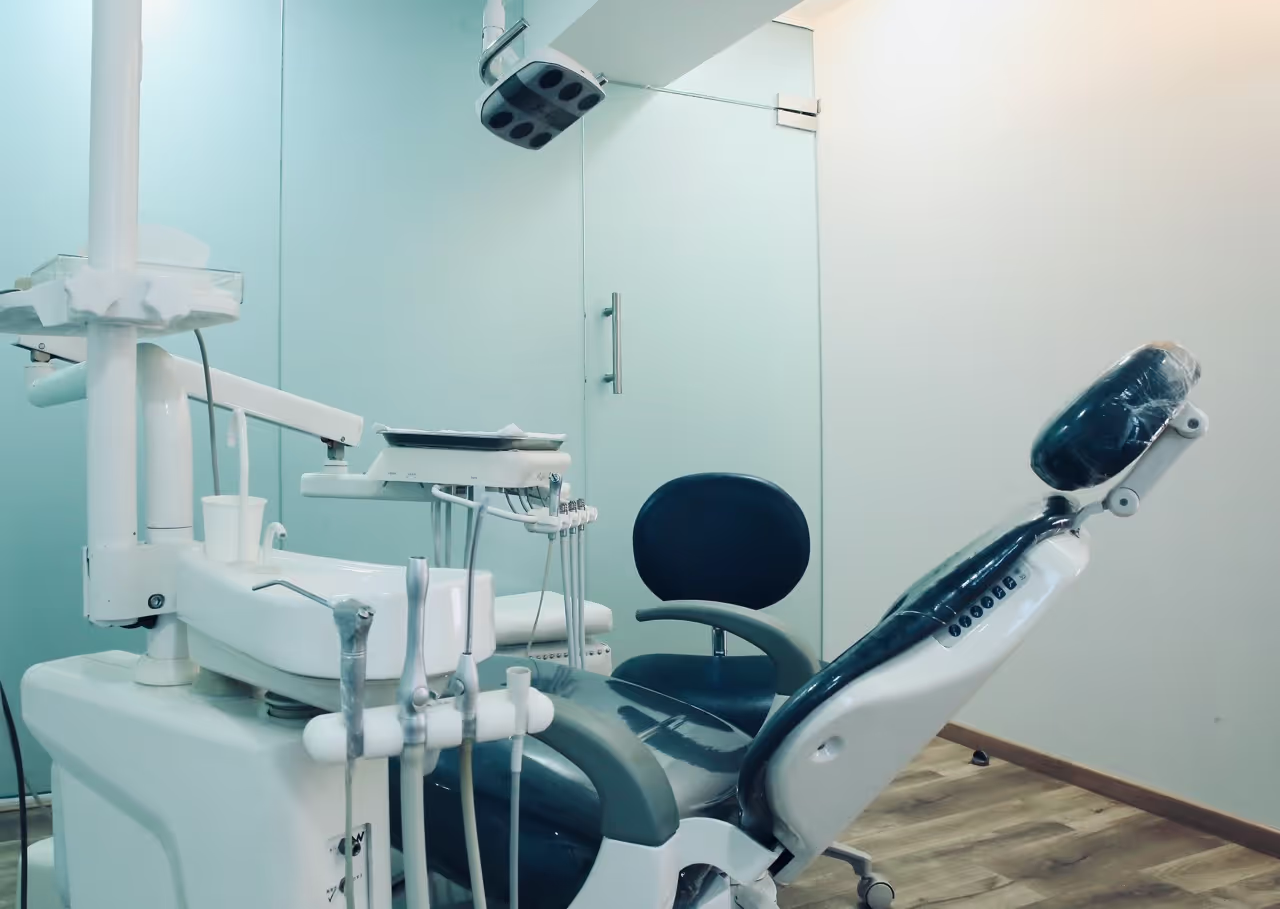


General Dentistry
World-class General Dentistry Treatments with Fair Pricing.
Consultation
₹1000
Emergency Home Visit
₹5,000
Teeth Cleaning & Scaling
From ₹3500
Composite Fillings
From ₹1,000
Extraction
From ₹5,000
Root Canal Treatment
From ₹10,000
Braces
From ₹100,000
Aligners
From ₹75,000
Invisalign Clear Aligners
From ₹150,000
Dental Anxiety Solutions
From ₹10000/ hr
Dentures
From ₹35,000 per jaw
Cosmetic Dentistry
Exceptional Cosmetic Dentistry: Fair and Competitive Prices.
Composite Laminates / Resin Veneers / Bonding
From ₹10,000
Porcelain Veneers/ Laminates
From ₹25,000
Zirconia Crowns
From ₹15,000
Smile Analysis + Treatment Planning
From ₹5,000
3D Smile Simulation
₹15,000
Office Whitening
From ₹15,000 (Cleanup additional)
Home Whitening
₹9,000
Internal Bleaching
From ₹7,000
Cosmetic Gum Surgery
From ₹25,000
Crown Lengthening
₹7,000 onwards
Surgical Dentistry
World-Class Surgical Dental Treatments. Fair and Affordable Pricing.
Oral Surgery
From ₹50,000
Dental Implant
From ₹35,000
All on 4 Implant Surgery / Jaw
From ₹3,00,000
Wisdom Tooth Extraction
From ₹15,000
Zygomatic Implants
From ₹1,00,000 per implant
Gum / Bone Surgery
From ₹25,000
PRF (Platelet-Rich Fibrin)
From ₹5,000
Socket Preservation Surgery
From ₹10,000
Guided Surgery Plan
₹15,000
Subscribe to our newsletter

