.webp)

Experience in implant dentistry is not just a number of years. It is the accumulation of case types, complications encountered and managed, protocols refined, and outcomes followed up over time. At Dazzle Dental Clinic, our All-on-4 experience is best understood through what it has taught us about how the protocol performs across different patient populations — and how our clinical approach has evolved as a result.
What 10,000+ Implants Placed Actually Means
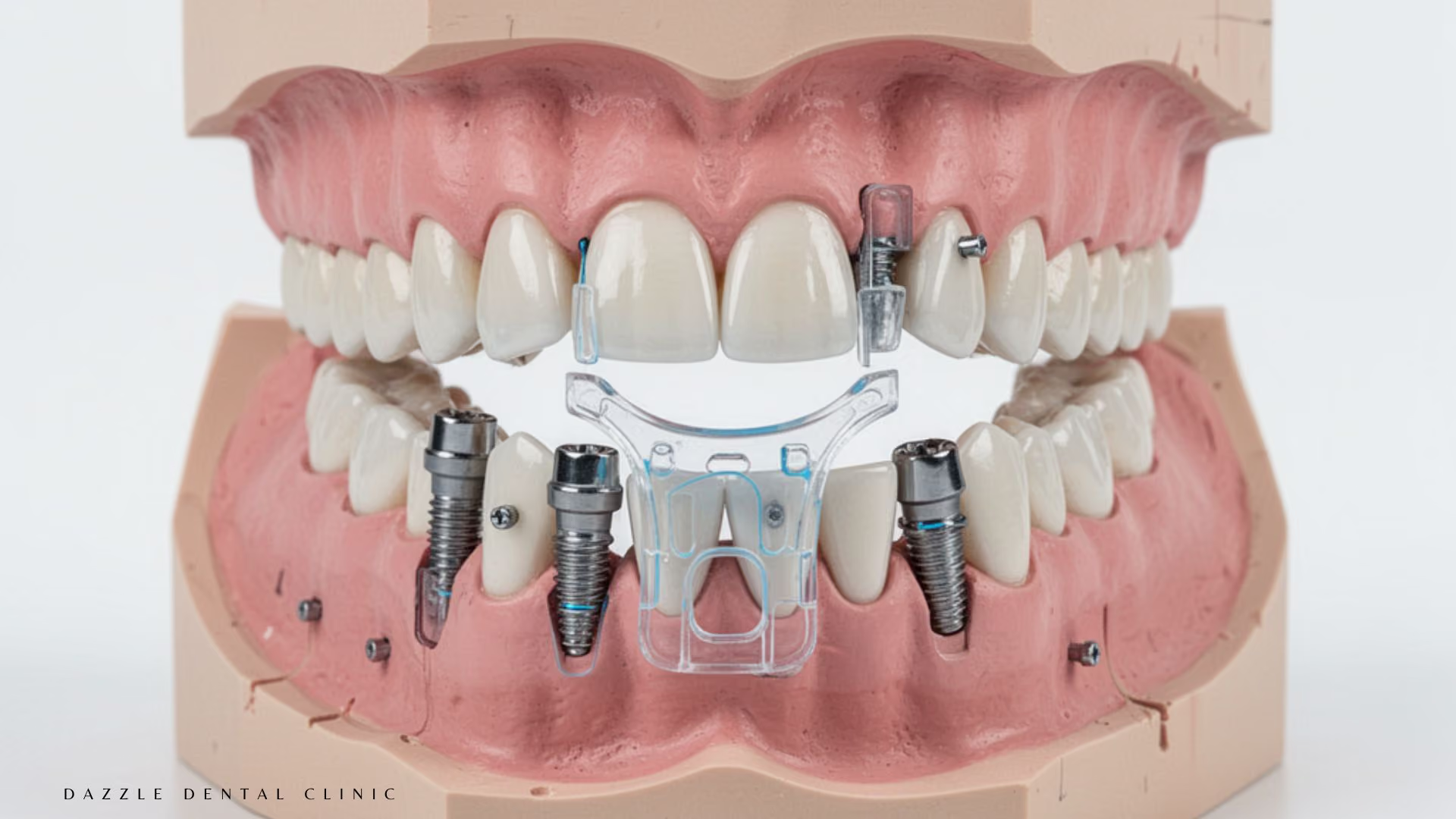
Dazzle has placed over 10,000 implants across more than two decades of practice, including full-arch All-on-4 and All-on-6 cases, zygomatic implants, and complex multi-stage rehabilitations. Our team has managed All-on-4 cases in Misch Type I through Type IV bone, in patients with previous implant failures, in patients with uncontrolled diabetes brought into controlled range before surgery, and in patients with zygomatic anatomy that required individualised planning.
This history also means we have an honest reckoning with failure. Our 10-year implant survival rate for same-day implant cases aligns with published literature at 95–98%. The 2–5% that do not reach 10 years are almost entirely concentrated in high-risk patient groups — uncontrolled systemic disease, active smoking, inadequate primary stability that was accepted when it should not have been.
International Training and Protocol Currency
Dazzle's implantologists train with Nobel Biocare — the organisation that developed and continues to develop the All-on-4 protocol through Paulo Maló's original clinical programme. This training is access to the current protocol evolution. All-on-4 surgical protocol has changed meaningfully over 20 years: primary stability thresholds have been refined, prosthetic design principles have evolved, and biomaterial choices have changed. Our team also participates in international implantology congresses (ITI, EAO, ICOI), and protocol decisions at Dazzle are informed by the global published evidence base.
Patients from 20+ Countries: What International Volume Requires
Treating patients from the UK, UAE, Australia, East Africa, and across India at significant volume requires clinical systems that conventional dental practice does not need. Remote case assessment (reviewing CBCT scans before the patient travels), treatment planning that accounts for a compressed visit schedule, and prosthetic workflows that deliver the final bridge within a defined return visit window are all operational capabilities developed through years of managing international patients. For more on how international patients plan their treatment journey at Dazzle, see our international patient guide.
In-House Digital Laboratory: What It Changes
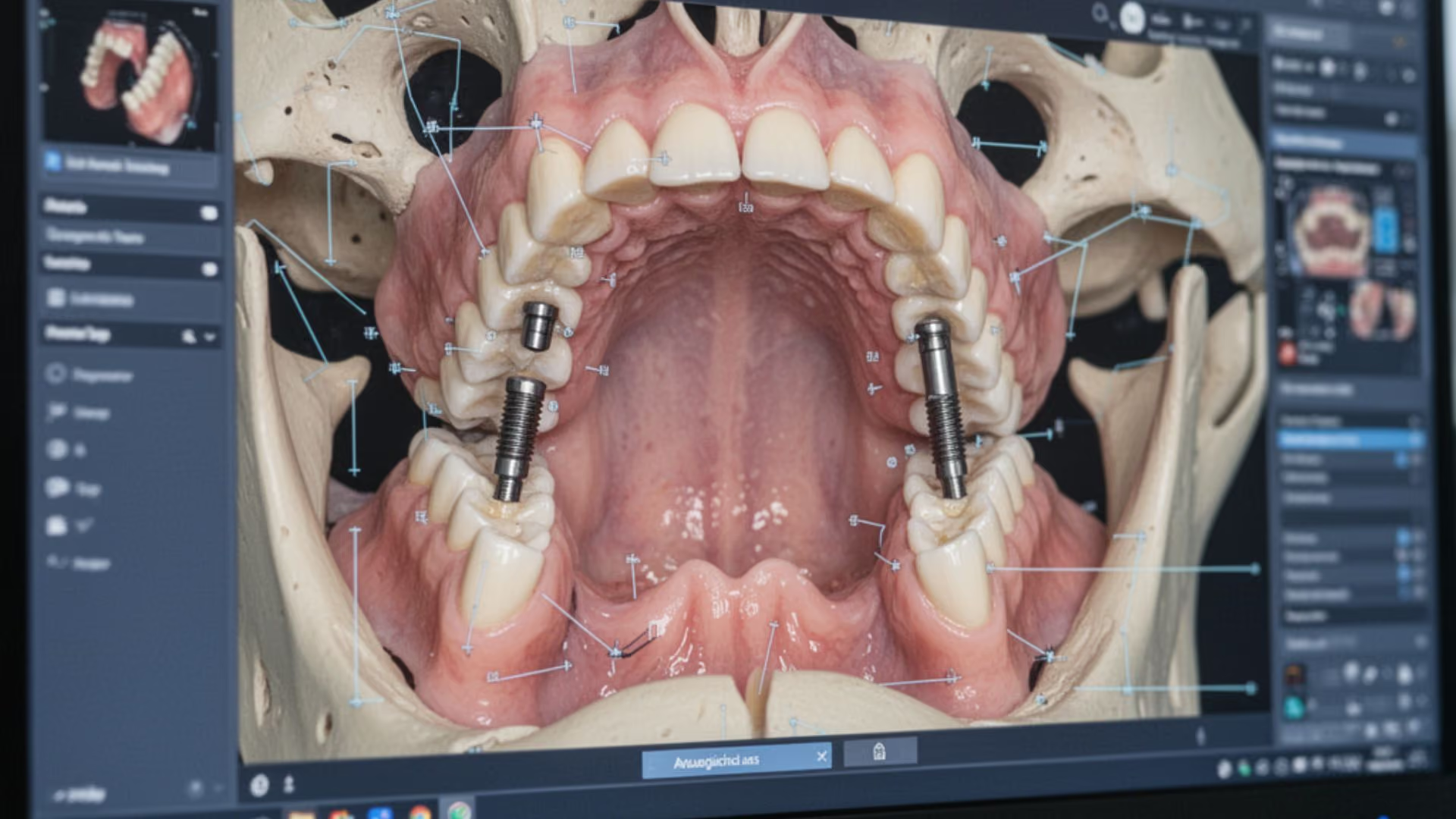
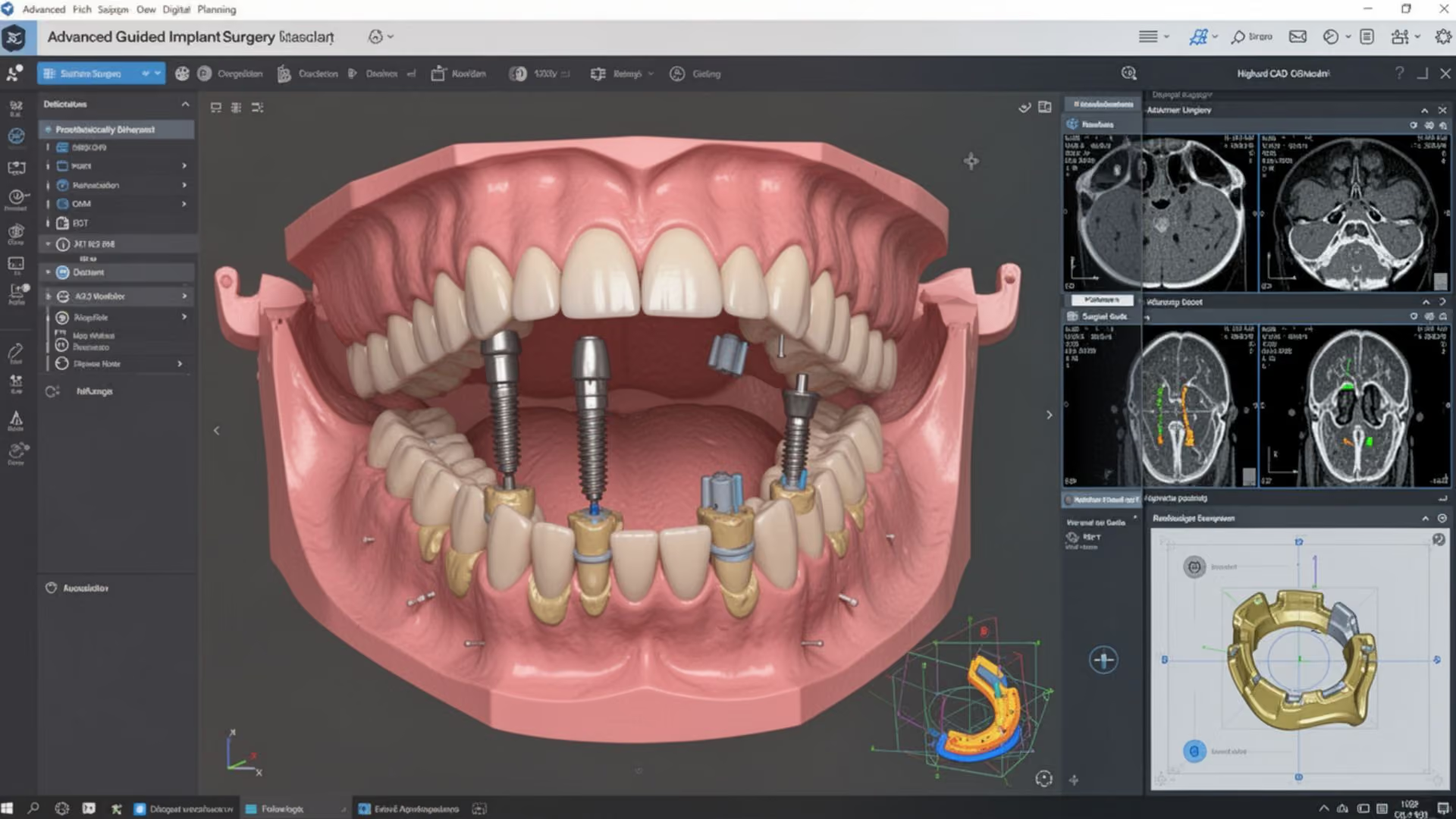
Our in-house digital laboratory means that the distance between a prosthetic design decision and its physical execution is hours, not weeks. The clinical team and lab technician are in the same building. When the try-in reveals a contour that needs adjustment, the modification is made that day. This compression of the design-fabrication-delivery cycle is most significant for international patients managing a fixed visit window, but it also improves outcome quality for all patients through faster iteration.
FAQs
Q1: How many All-on-4 cases does Dazzle perform per year?
Full-arch implant cases represent a significant proportion of Dazzle's surgical volume. The clinical team's operating frequency is consistent with a high-volume specialist implant practice rather than a general dental clinic with occasional implant cases.
Q2: What happens if my implant fails after I return home?
Individual implant failures in the osseointegration phase are uncommon but do occur. Our protocol for remote patients includes a 3-month review window. If an implant fails, we coordinate replacement planning which in most cases can be managed on the same return visit schedule as the final prosthesis appointment.
Q3: Can I see before-and-after cases from Dazzle's All-on-4 patients?
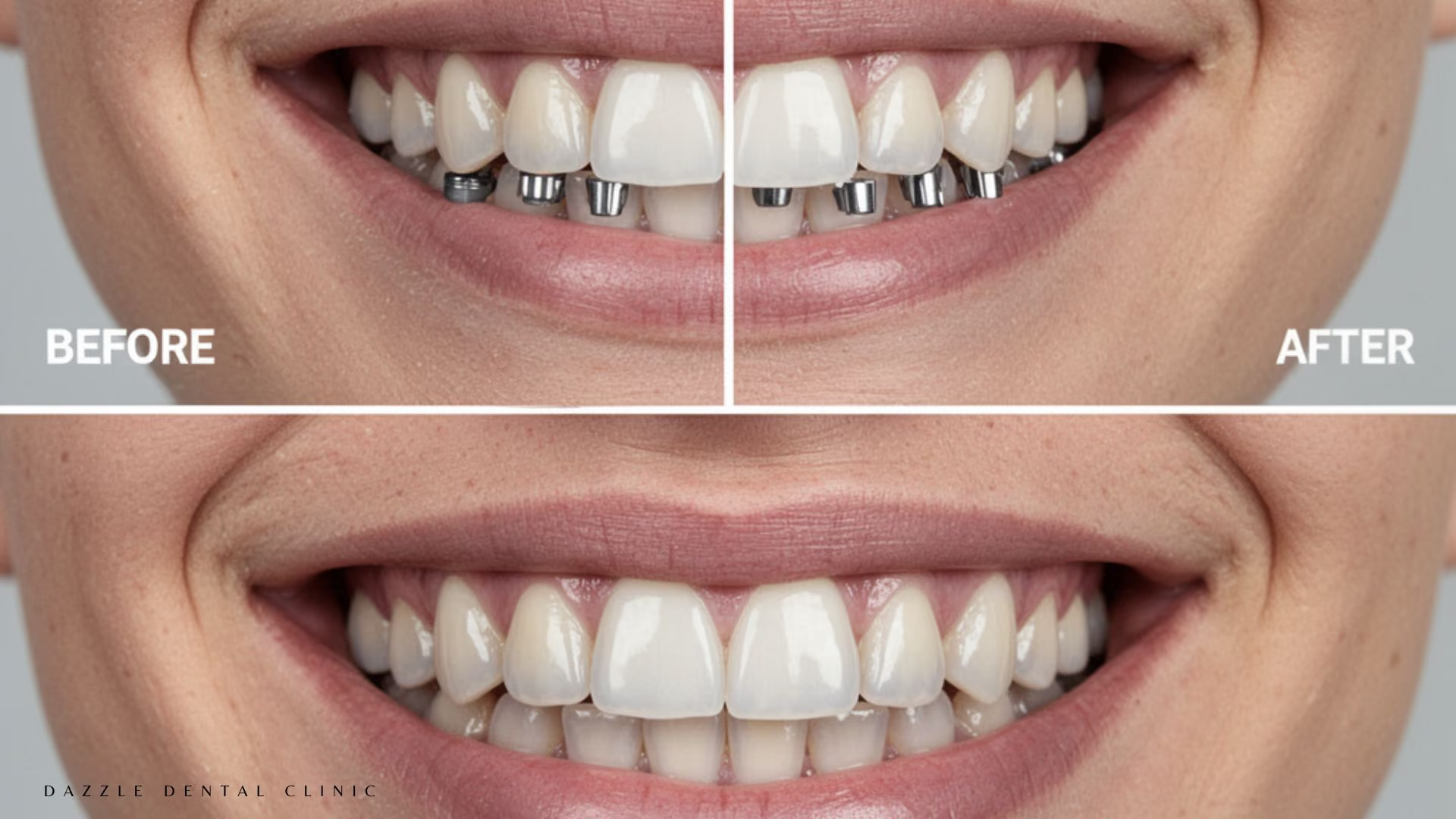
Yes. Our gallery includes documented cases with pre-treatment, provisional, and final prosthesis photographs. These are available to review at consultation.
Q4: What is the difference between 10,000 implants placed and 10,000 successful implants?
An honest distinction. The survival rate at 10 years for the protocol and patient population we treat aligns with published literature at 95–98%. The number placed is a volume metric; the survival rate is the clinical quality metric.