.webp)

Implant surgery places the foundation. Prosthetic design determines what the patient actually experiences every day for the next 15–20 years. The two are inseparable in outcome quality, which is why at Dazzle Dental Clinic, the prosthodontic planning begins before the surgical plan is finalised — not after the implants are placed.
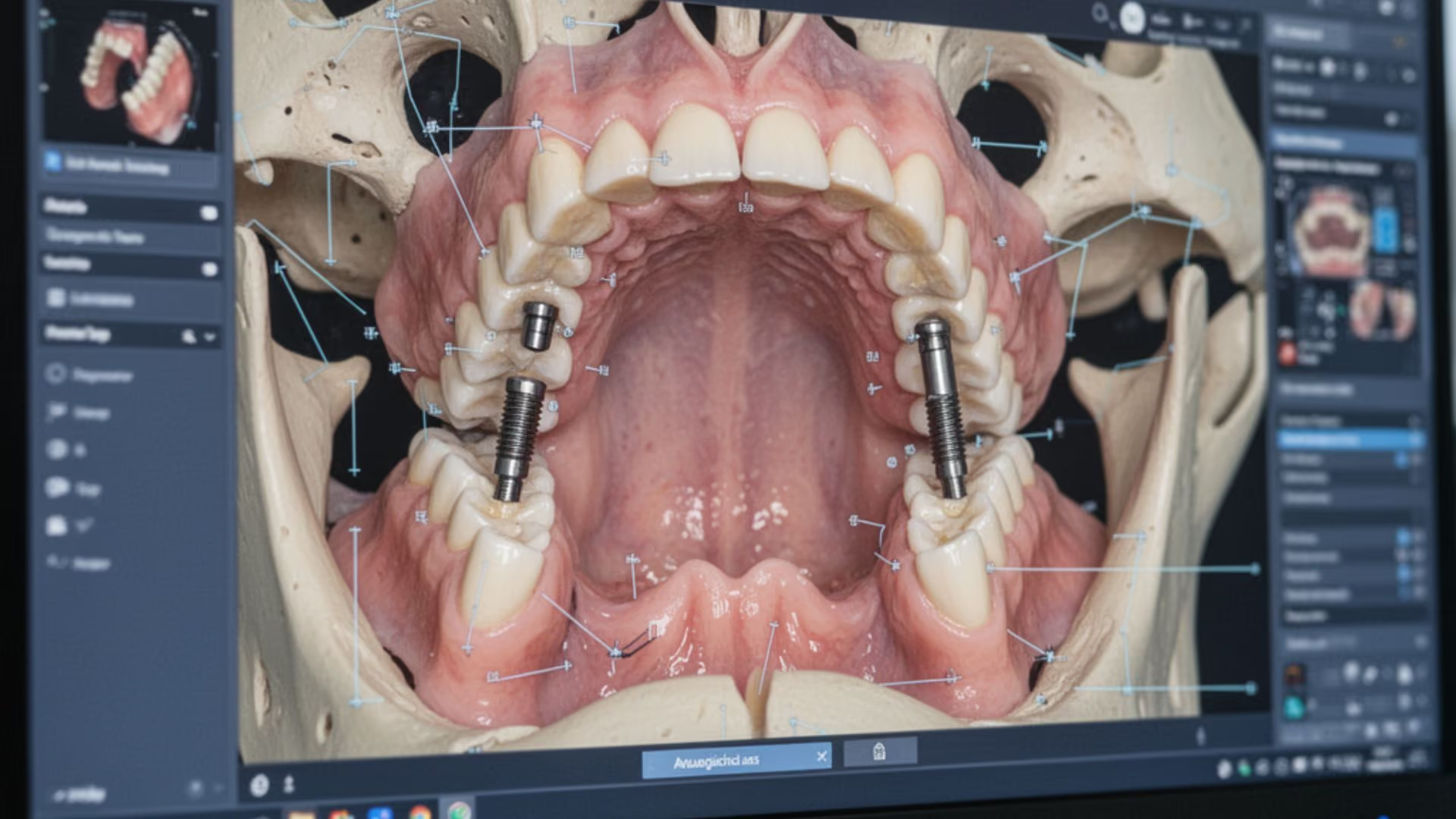
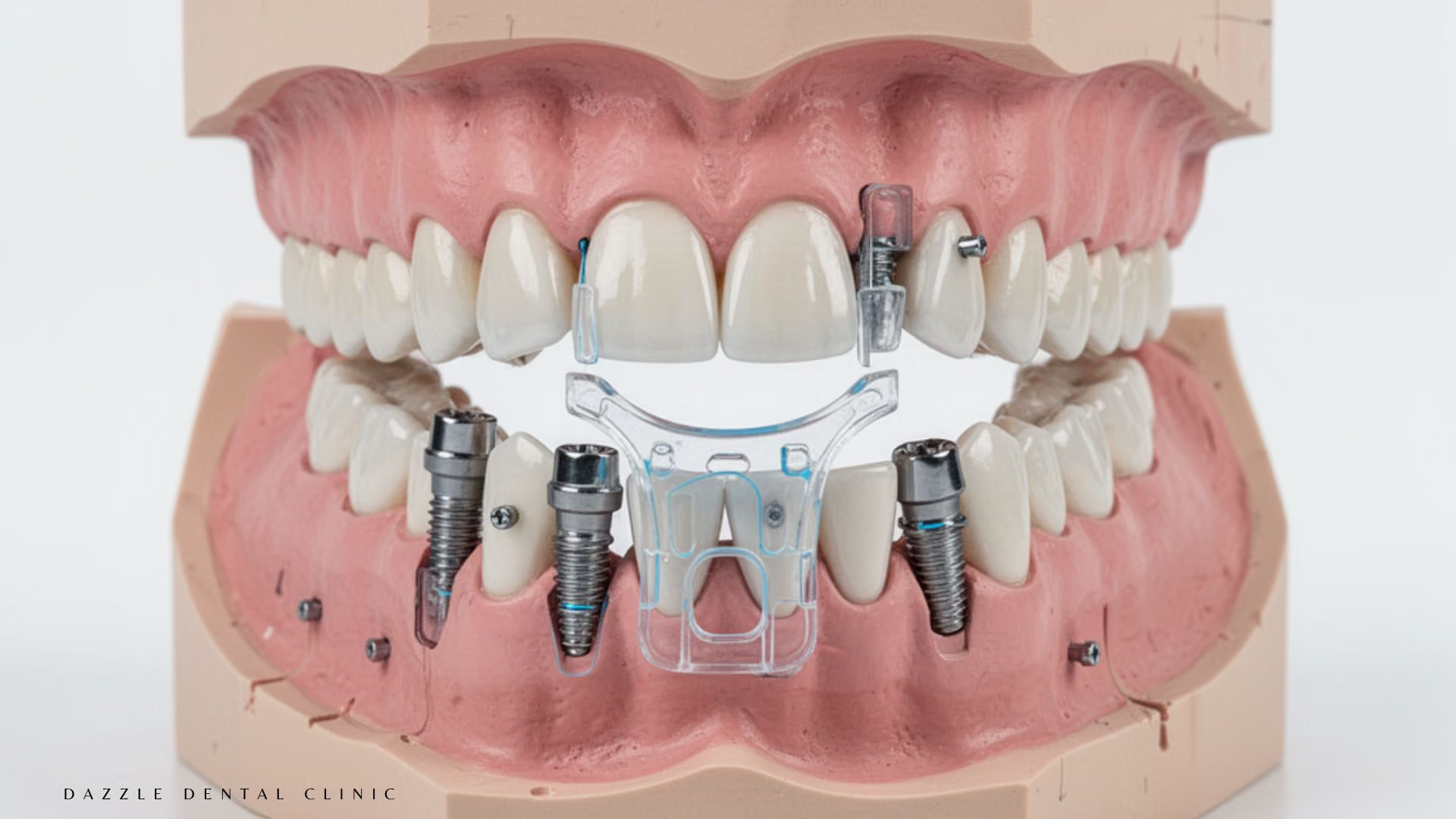
This is the prosthetic-first principle: implant positions are chosen based on where the prosthesis needs them, not the other way around. The prosthetic team works from the planned aesthetic and functional outcome backwards to define where the implants must be placed for the prosthesis to emerge correctly, distribute forces appropriately, and look natural.
What the All-on-4 Prosthesis Must Do
The bridge that is attached to the four implants must simultaneously achieve several things that are clinically difficult to balance:
Distribute bite forces evenly: Every bite loads the prosthesis. The forces must be distributed across the arch without concentrating at the distal implants or creating off-axis loading that stresses the bone-implant interface. Cusp angle, cantilever length, and occlusal contact design all affect this distribution. Poorly designed occlusion is the most common engineering failure in implant-supported bridges and the most preventable.
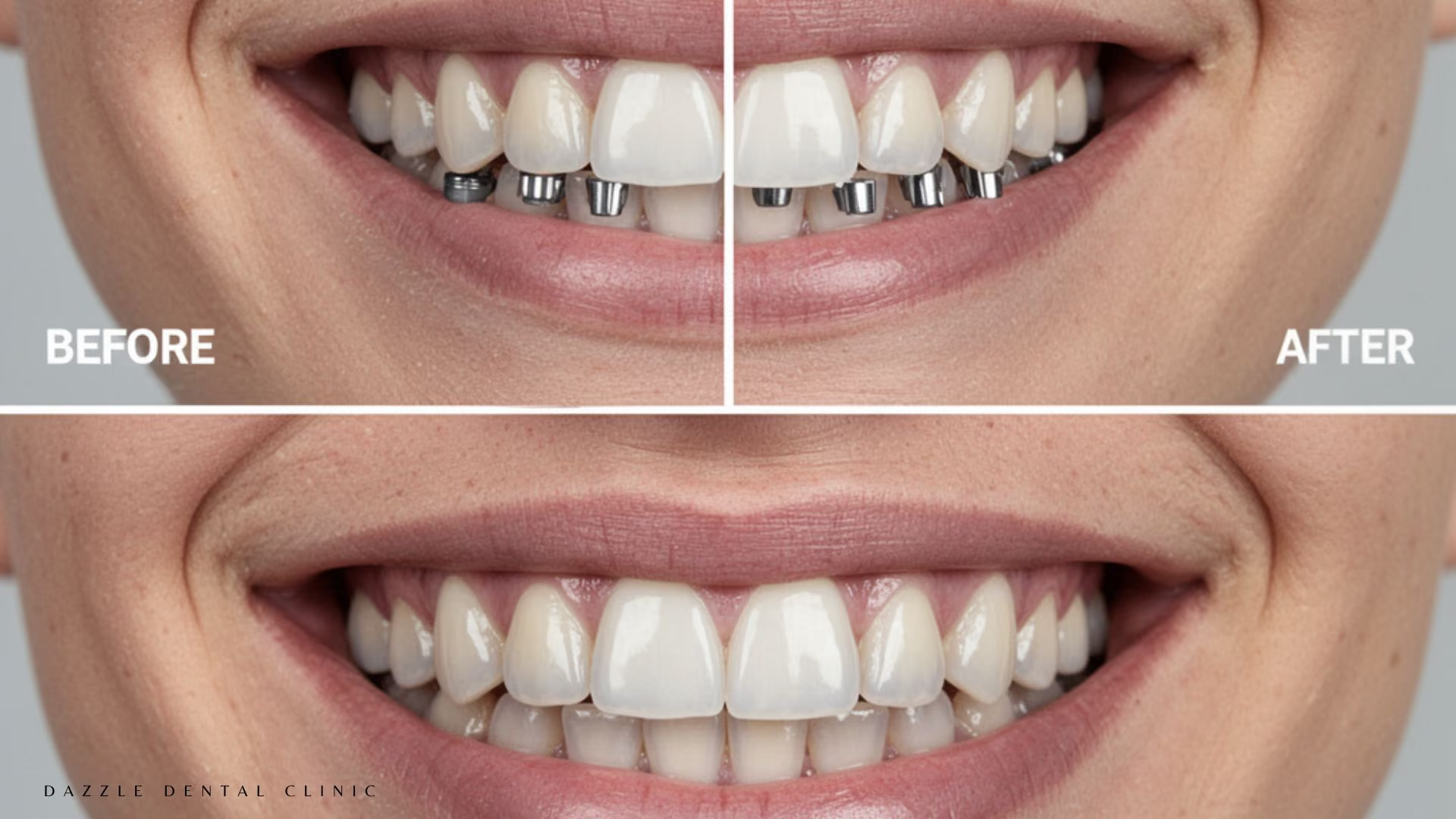
Provide gum aesthetics: The prosthesis replaces both teeth and the gum tissue above them. The pink acrylic or ceramic gingival portion of the bridge must create the illusion of natural gum emergence. This is more complex than tooth aesthetics — it requires correct vertical dimension, appropriate gingival contour, and matching the shade and texture of the patient’s remaining natural tissue where present.
Allow hygiene access: The underside of the bridge — the pontic area between implants and the tissue — must be accessible to a water flosser. Bridges designed without adequate tissue clearance below the pontics trap food and prevent biofilm removal, driving peri-implant disease regardless of patient compliance. This is a design decision, not a hygiene problem.
Fit precisely: The connection between the bridge and the implant abutments must be passive — meaning the bridge sits without stress on the abutments. A non-passive fit places constant mechanical stress on the abutment screws and on the bone around the implant neck, causing progressive loosening and bone loss. Passive fit is achieved through digital fabrication from intraoral scan data and careful try-in protocol.
The Design Process at Dazzle
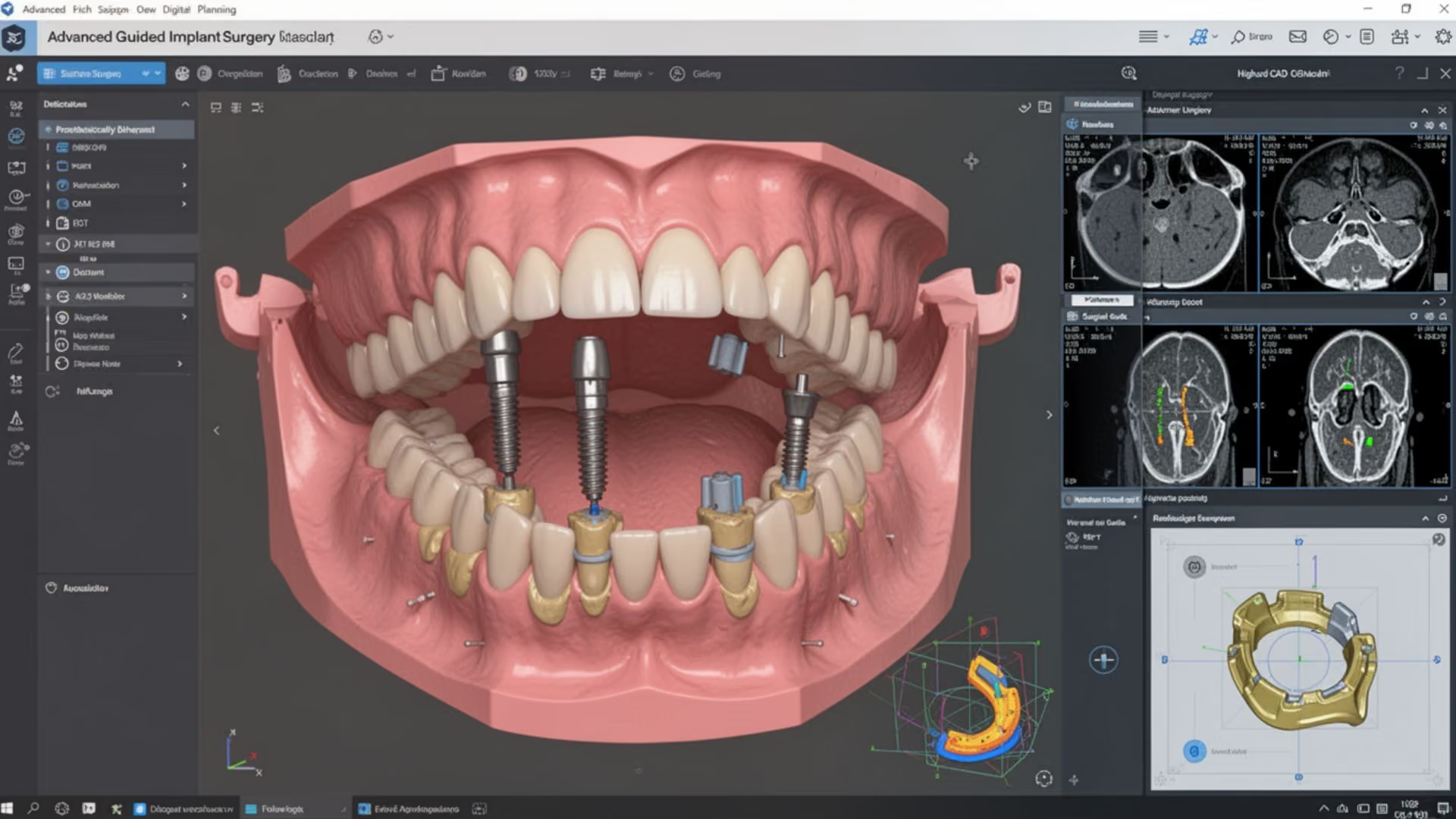
Prosthetic design begins at the treatment planning appointment before surgery. The patient’s facial analysis, tooth position, vertical dimension, and aesthetic goals are documented. Digital Smile Design software integrates photographs and scan data to create a virtual representation of the planned outcome. The patient reviews and approves this design before any preparation begins.
After surgery and osseointegration (3–6 months post-placement), the final prosthesis process begins with an intraoral scan. The scan data is imported into our in-house CAD system where the bridge is digitally designed: tooth morphology, gingival architecture, occlusal contacts, and abutment fit are all defined virtually and reviewed by both the prosthodontic team and the laboratory technician before milling begins.
The bridge is milled from the chosen material — most commonly monolithic zirconia for the final prosthesis — in our in-house digital laboratory. Try-in with shade check and bite verification precedes final delivery. Post-delivery review at 2 and 6 weeks allows occlusal refinement in function.
Clinical Factors That Influence Design Decisions
Cantilever length: The distal extension of the bridge beyond the last implant is the most mechanically sensitive design parameter in All-on-4. Longer cantilevers generate higher lever forces at the posterior implants. At Dazzle, cantilever length is planned during the surgical phase to ensure it is minimised by appropriate posterior implant positioning — this is one reason why prosthetic-first planning matters.
Vertical dimension: The space between the upper and lower jaws when biting determines the height available for the prosthesis. Insufficient vertical dimension results in a thin, weak prosthesis. Too much vertical dimension produces discomfort and speech difficulties. Establishing correct vertical dimension — particularly in patients who have had missing teeth for years and whose bite has collapsed — is often the most clinically nuanced part of full-arch prosthetic design.
Opposing dentition: A full-arch bridge opposing natural teeth, an existing denture, or another implant bridge each requires a different occlusal design. Natural opposing teeth warrant reduced cusp angles to limit lateral forces on the implant prosthesis. Opposing dentures require an occlusal scheme that does not destabilise the denture during function.
FAQs
Q1: How many appointments does the prosthetic phase take?
After osseointegration confirmation, the prosthetic phase typically involves: final impression (intraoral scan), bite registration and shade selection, laboratory fabrication (7–14 days in our in-house lab), try-in and any adjustments, final delivery. This is 2–3 appointments over 3–4 weeks. For international patients, we coordinate these into a single return visit of 3–5 days where possible.
Q2: Can the bridge be modified after delivery if I’m not happy with the aesthetics?
Yes. Shade adjustments and surface characterisation can be made to zirconia after delivery. Significant shape changes require remilling a new bridge. We encourage patients to communicate aesthetic preferences clearly at the design and try-in stages, as modifications at that point are straightforward. Post-delivery modifications are more time-consuming.
Q3: Does the prosthetic design affect how naturally I speak?
Yes. Tooth position relative to the palate, palatal coverage, and the bulk of material in the upper anterior region all affect speech. Our prosthodontic team assesses speech at the try-in appointment and makes adjustments where needed. Most patients adapt within 2–4 weeks regardless of initial speech changes.
Q4: What if my implants were placed elsewhere and I need the prosthesis designed at Dazzle?
This is possible in most cases. We require the implant brand, model, and connection type to source the correct prosthetic components. An intraoral scan or existing impressions from the placing clinic facilitate this. Contact us in advance with the implant documentation and we will advise on the feasibility.