.webp)

This article covers zygomatic implants and pterygoid implant use at Dazzle Dental Clinic from a treatment workflow perspective — who they are for, how they work together, and what the surgical and recovery process involves. The provisional bridge is placed the same day as surgery as part of our same-day implant protocol. For the clinical reasoning behind choosing this approach over bone grafting, see our dedicated guides on full mouth rehabilitation without bone grafting and our patient guide to advanced implant options.
The Problem These Implants Solve
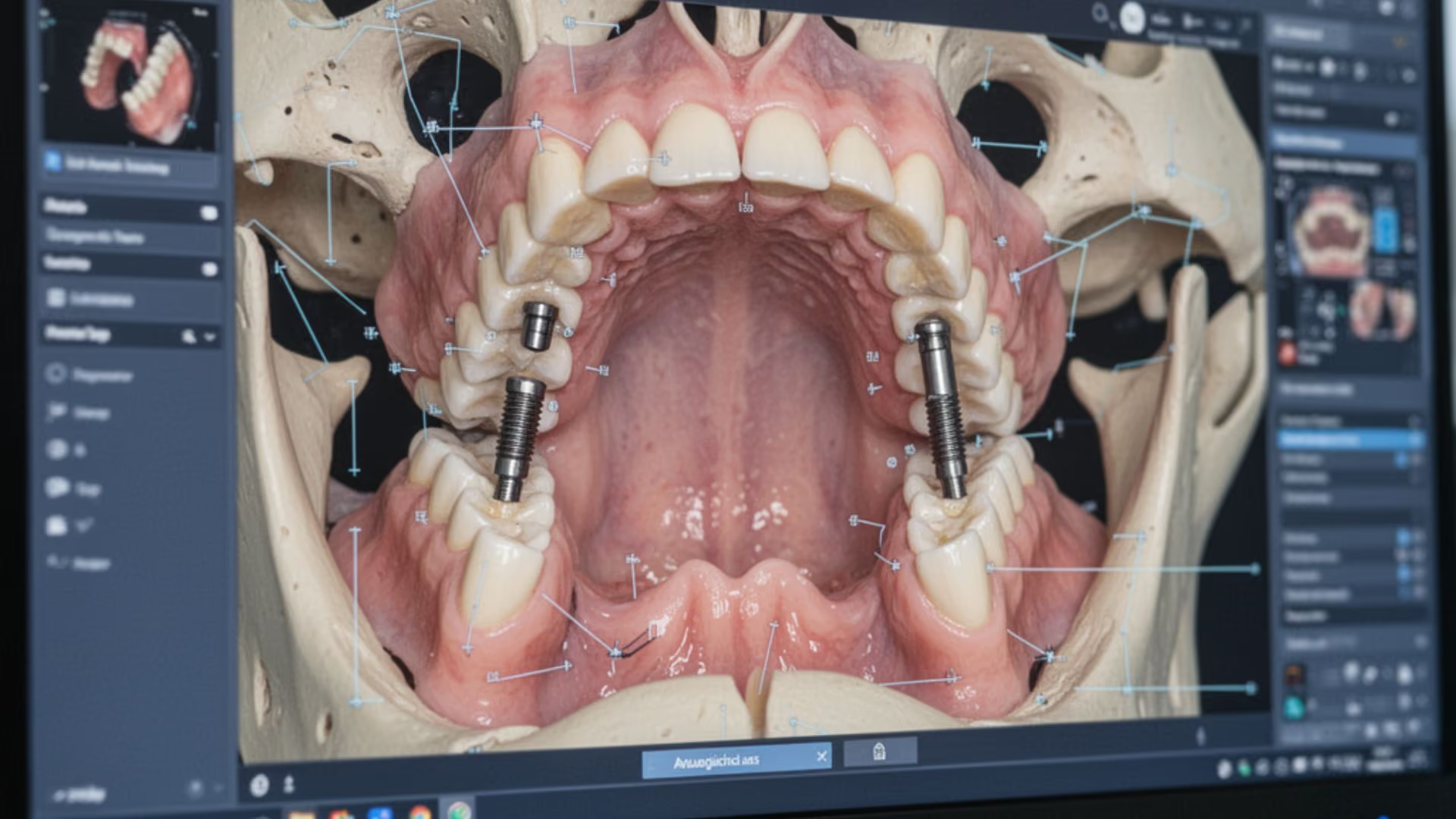
Conventional implants require the alveolar ridge — the jaw bone that housed the tooth roots — to be present, sufficiently wide, and of adequate density. In patients with severe upper jaw bone loss, particularly after years of edentulism or multiple failed implant/grafting attempts, the posterior alveolar ridge may be entirely absent or so thin that conventional placement is not viable. Zygomatic implants bypass this problem by anchoring in the zygomatic bone (cheekbone). Pterygoid implants bypass it by anchoring in the pterygoid plates at the back of the maxilla.
How They Are Used Together
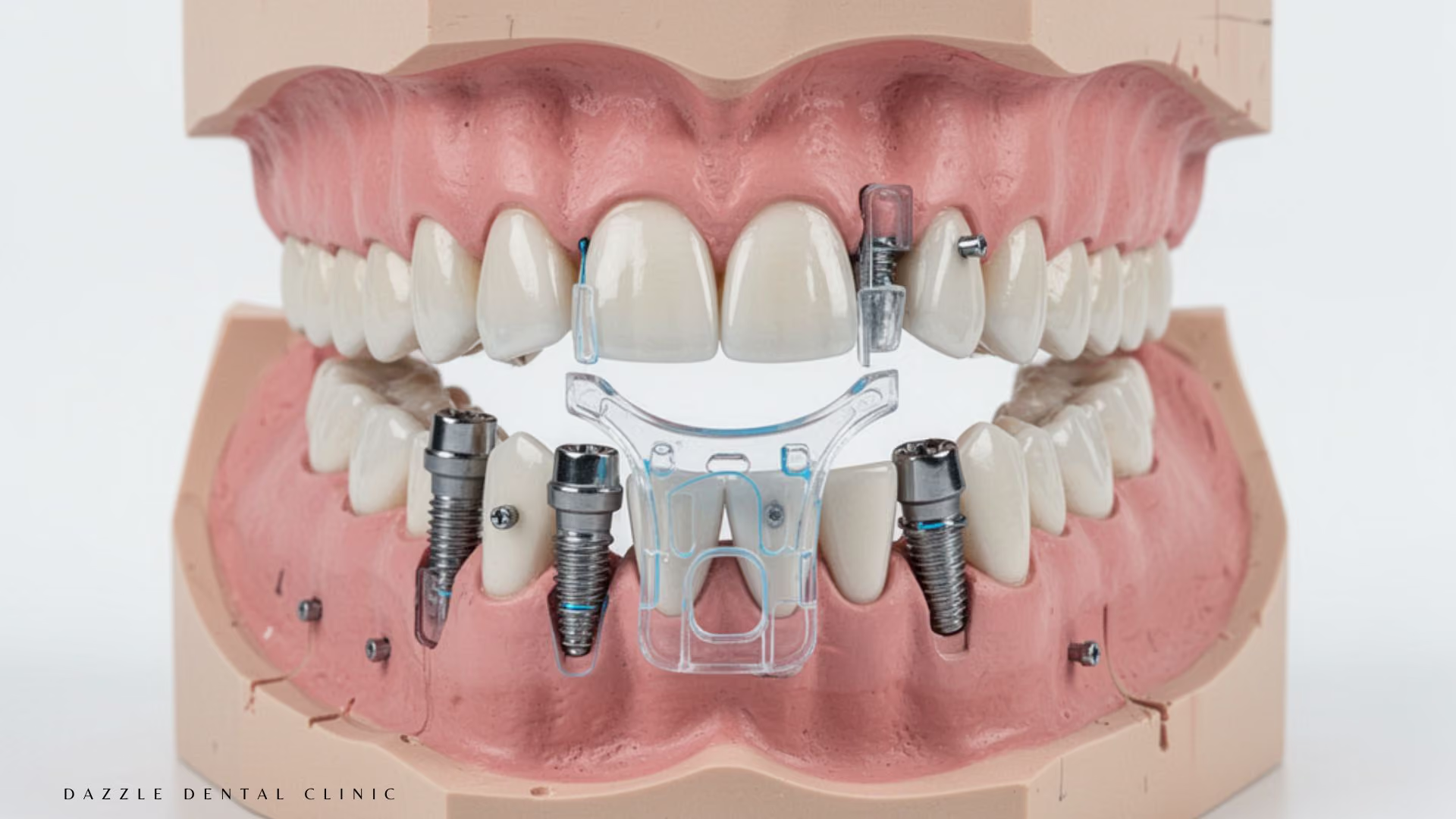
The specific combination depends on the patient’s anatomy assessed on CBCT. Most common: two zygomatic implants (one per side) + two conventional implants anteriorly. Quad-zygomatic (four zygomatic implants) for patients with severe atrophy extending into the anterior maxilla. Zygomatic + pterygoid combination for specific anatomical configurations.
Pre-Surgical Planning at Dazzle
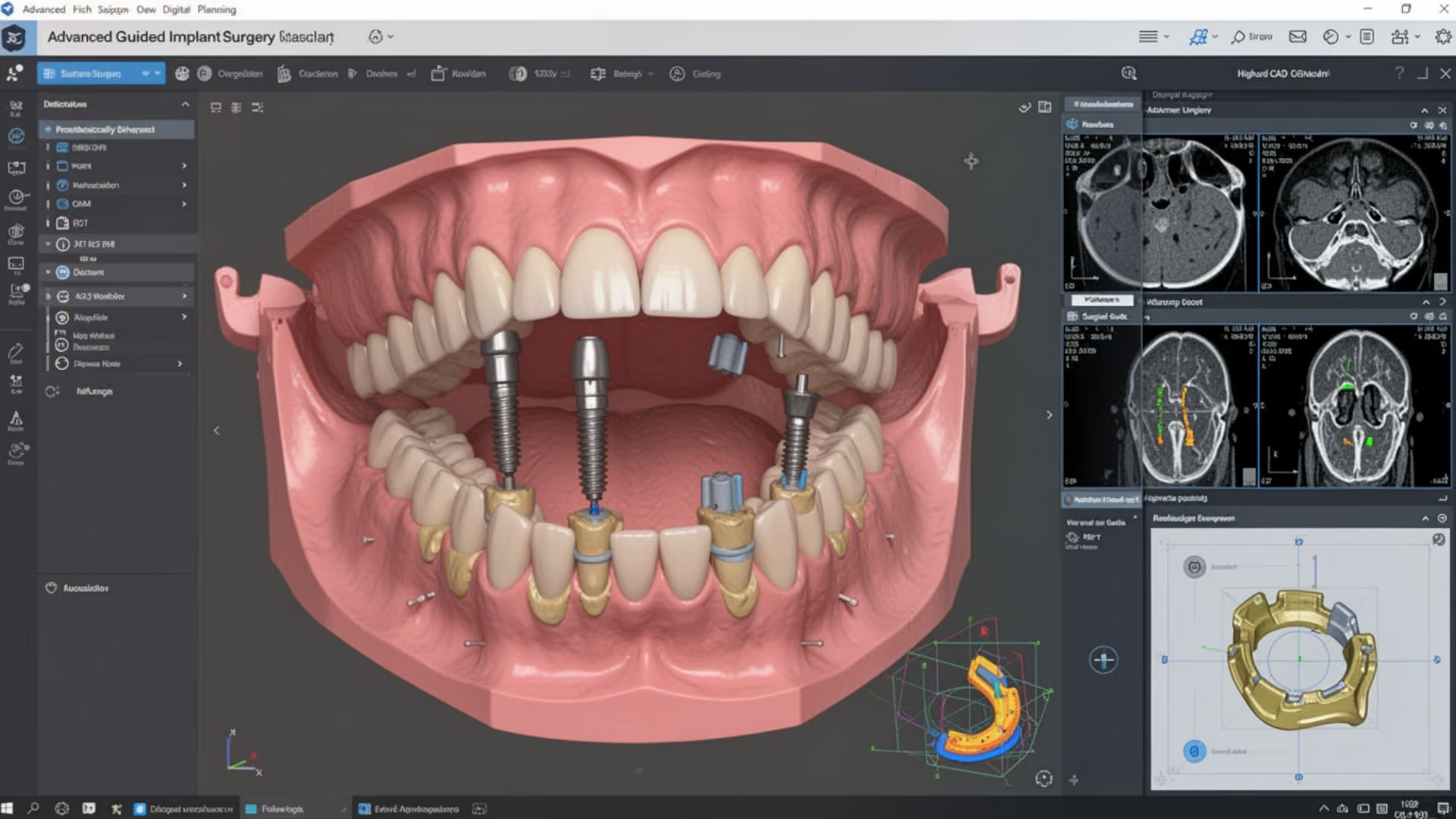
Every zygomatic and pterygoid implant case at Dazzle begins with a CBCT scan reviewed by the implant surgeon. From this data, a virtual surgical plan is created before the surgical appointment. For international patients who have existing CBCT images from a previous consultation elsewhere, we offer remote scan review.
The Surgical Day
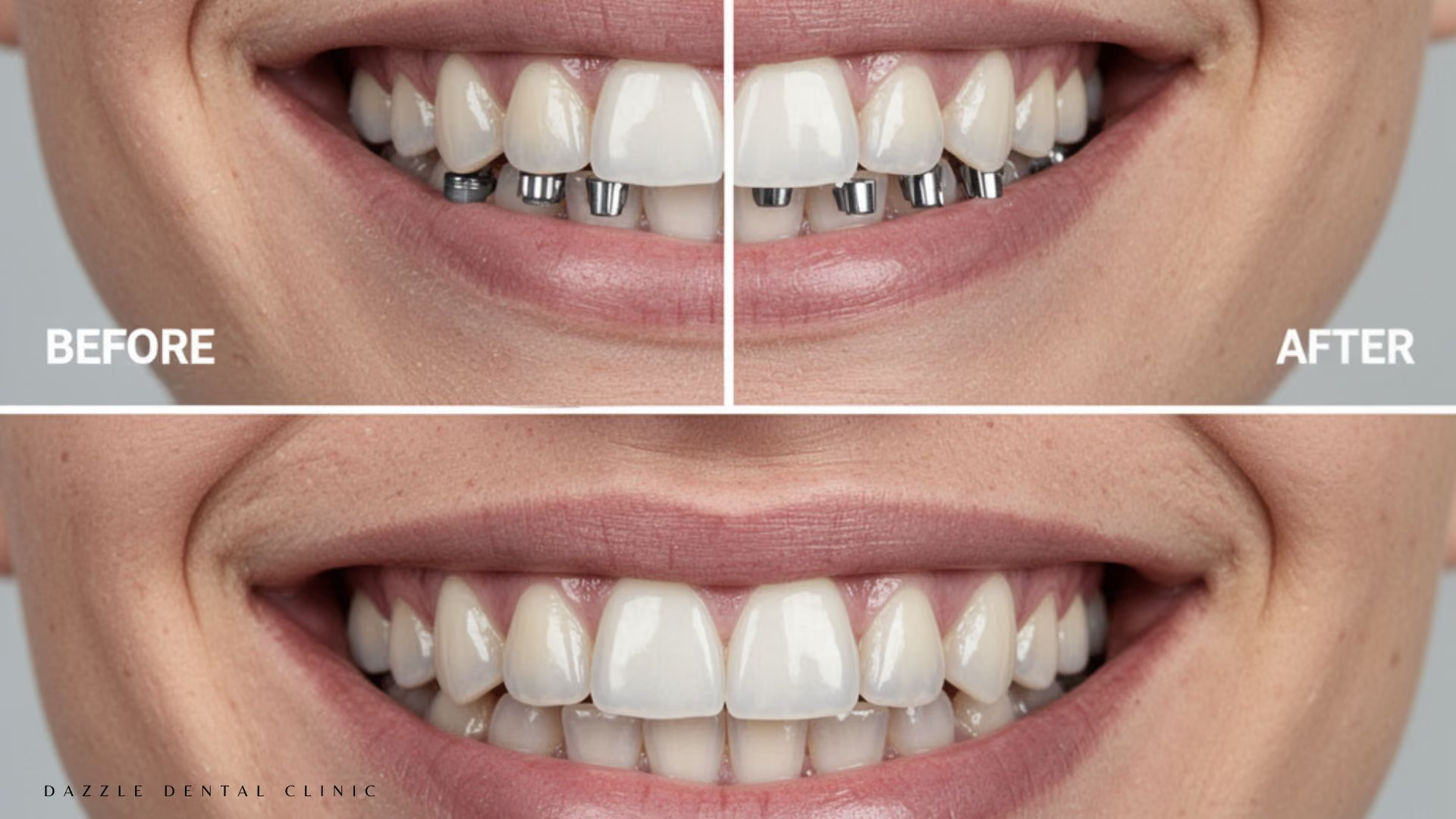
Surgery is performed under local anaesthesia and IV sedation. The procedure typically takes 3–5 hours for a full-arch case. Provisional prosthesis is attached the same day in most cases. Patients are typically comfortable for travel home within 5–7 days.
Recovery and Final Prosthesis
Swelling peaks at 48–72 hours and resolves over 10–14 days. Soft diet is maintained for 6–8 weeks. Osseointegration confirmation is performed at 3–6 months post-surgery. Once confirmed, the final prosthesis process begins: intraoral scan, bite registration, shade selection, CAD/CAM fabrication in our in-house laboratory, try-in, and final delivery.
FAQs
Q1: Can zygomatic implants be done in one visit?
The surgical placement, provisional loading, and initial recovery can all occur during a single trip of approximately 7–10 days. The final prosthesis requires a return visit at 3–6 months.
Q2: What if my zygomatic bone is also insufficient?
Zygomatic bone volume varies but is rarely insufficient for implant anchorage. In the very rare case of compromised zygomatic volume, the treatment plan is discussed individually based on the CBCT findings.
Q3: Is the procedure available at both Dazzle locations?
Zygomatic implant surgery is performed at our Bandra West location. Both locations perform conventional implant procedures; zygomatic cases are centralised to the surgical team with specific training in this technique.
Q4: Is there a risk to my vision from zygomatic implants?
In experienced hands with CBCT-guided planning, this risk is theoretical, not practical. CBCT planning defines the safe corridor relative to the orbital floor for each patient.