


In brief: Aftercare for All-on-4 and All-on-6 is the same: protect the implants with a soft diet while they fuse with the bone, then clean under the bridge every day for life. Professional cleaning every three to six months, a night guard if you grind, and prompt checks for bleeding or a loose bridge keep most problems small.
The first two days after surgery
You leave with a fixed temporary bridge if the implants were stable enough at placement. Do not chew anything until the anaesthetic has worn off, and take the prescribed medicines on schedule rather than waiting for soreness to build.
- Swelling: it usually peaks around the second or third day. Cold packs on the cheek for about 20 minutes at a time during the first day help.
- Rest: sleep with your head raised for the first few nights and avoid strenuous exercise for several days.
- Bleeding: some oozing in the first day or two is normal. Bite gently on clean gauze to control it.
- Protect the clots: no forceful rinsing, spitting or straws for the first day or two.
- Smoking: avoid it completely. Smoking reduces blood supply to healing tissue and is a well-known risk factor for implant failure.
Weeks one to six: healing on the temporary bridge
Bruising on the cheeks or under the chin may appear and usually fades within two weeks. Most people return to desk work within a few days.
Eat soft food only: yoghurt, dal, khichdi, eggs, soup, fish, soft rice and pasta. The temporary bridge is made for light chewing, and keeping the load low protects the bond forming between bone and implant. This process, osseointegration, is most sensitive in the first weeks.
Gentle warm salt-water rinses after meals keep the area clean from the day after surgery. Brush around the bridge with a soft brush once tenderness eases, usually after a few days. Start a water flosser on a low setting when your dentist advises, often after the first week.
A review visit in the first two weeks checks the gums, removes stitches if needed and adjusts the bite on the temporary bridge. If the bite feels uneven or the bridge feels loose before then, call the clinic: uneven load while the implants heal is a risk to them.
After about six weeks most patients widen their diet gradually, still avoiding very hard foods such as ice, nuts in the shell or hard crusts until the final bridge is fitted. Our guide on what to expect after All-on-4 surgery covers the first days in more detail.
Months three to six: the final bridge
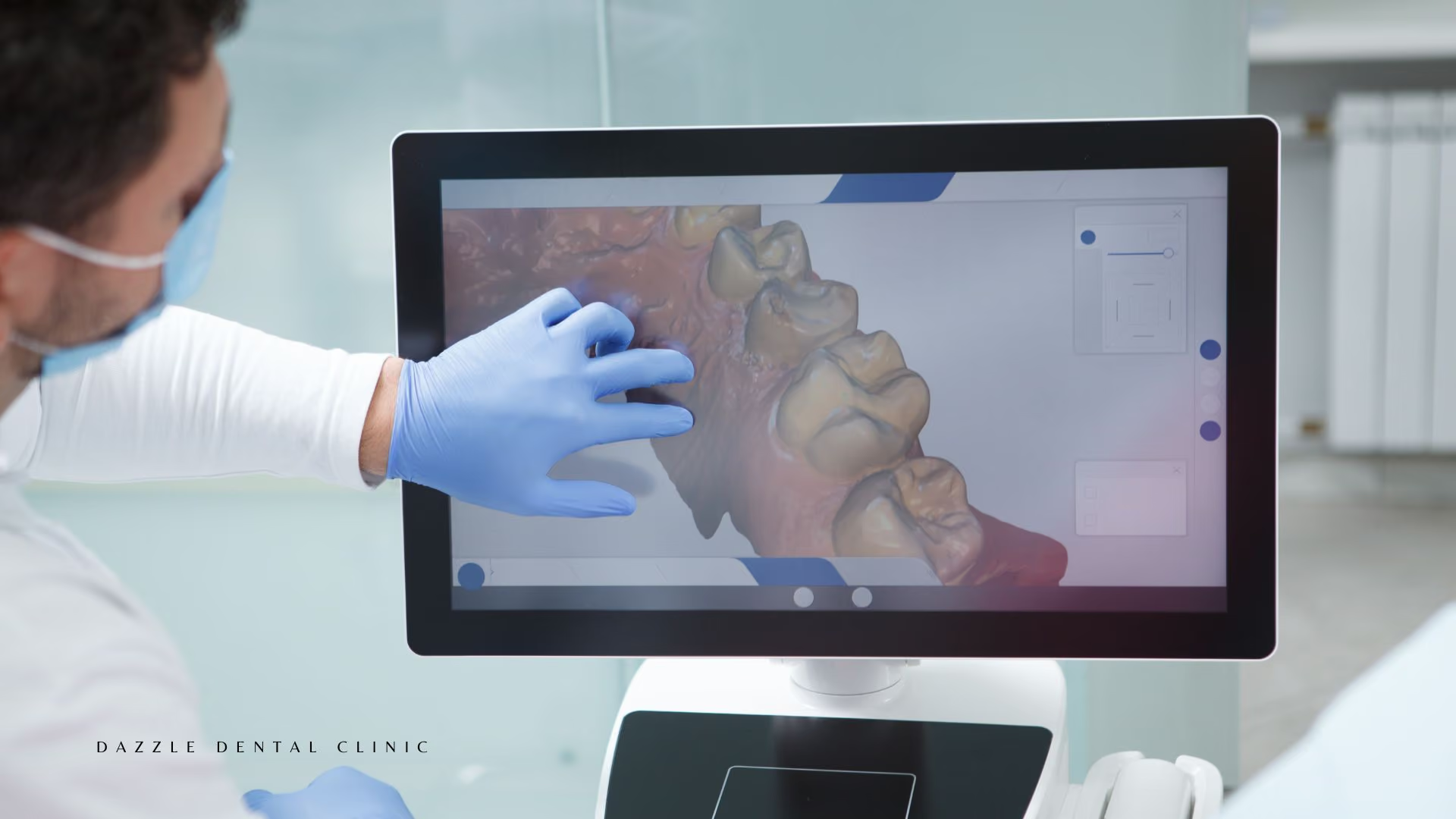
Once X-rays and examination show the implants have integrated, usually after three to six months, the final bridge is made. The steps are a digital scan, bite records, shade selection, a try-in and the fitting. At Dazzle the bridge is made in our in-house digital lab, Dream Dental Studio.
The final bridge is stronger and fits more precisely than the temporary. Once it is in, most patients eat a normal diet. The full sequence is set out on our All-on-4 dental implants page.
The daily cleaning routine
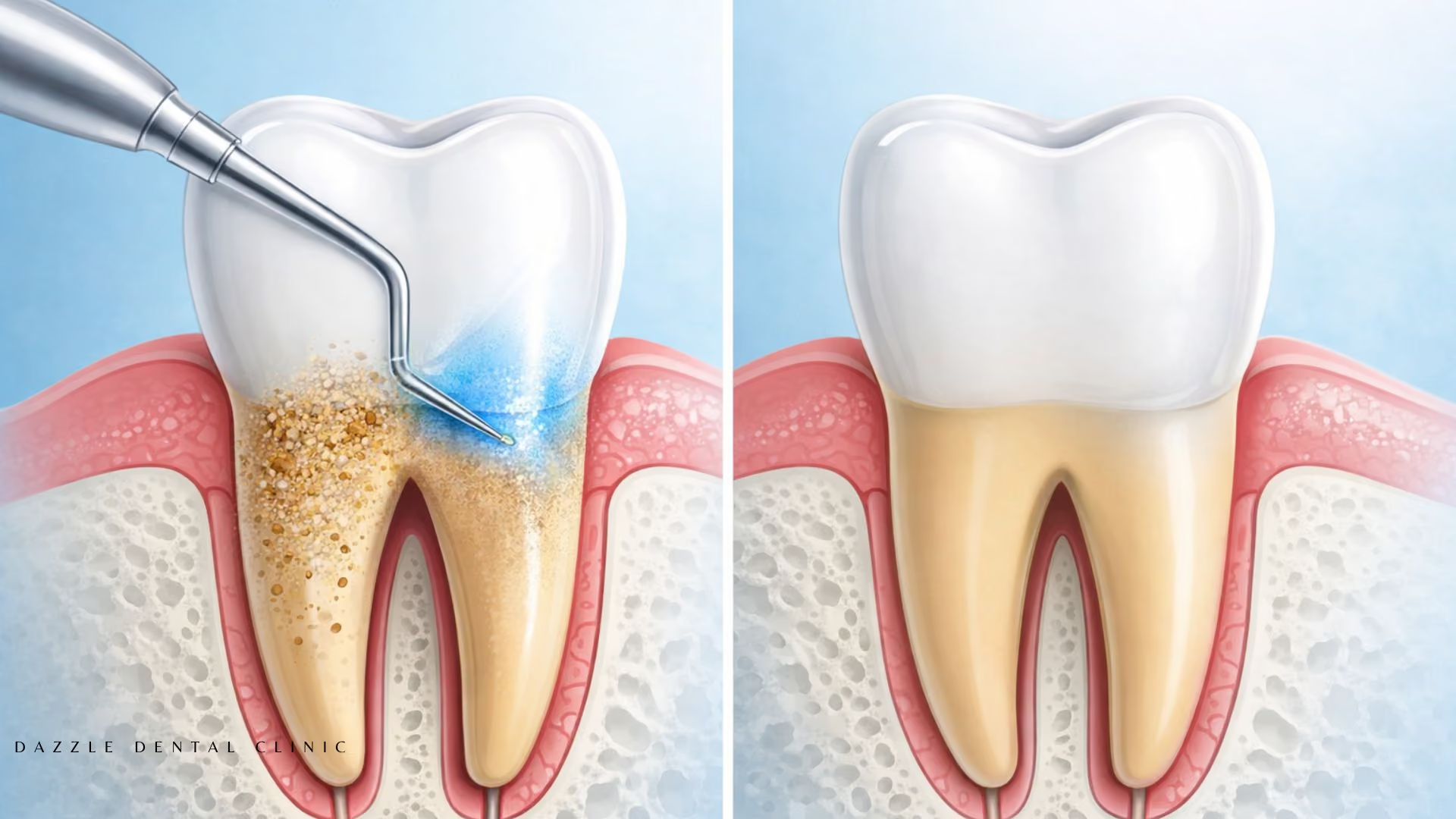
Natural teeth are held by a ligament that helps the gum resist bacteria. Implants have no ligament, so infection around them can reach the bone faster. The space between the underside of the bridge and the gum is where plaque collects, and a toothbrush cannot reach it.
- Brush twice a day with a soft or electric brush around the gum line and all surfaces of the bridge. Use a non-abrasive fluoride toothpaste; whitening and gritty pastes scratch acrylic and zirconia, and scratches hold plaque.
- Water flosser once a day: aim it under the bridge and around each implant. For a full-arch bridge, this is the most useful tool after the brush.
- Interdental brushes or super floss where the bridge meets the gum and gaps allow.
- Mouthwash: a chlorhexidine rinse may be prescribed for short periods, such as after surgery or when gums are inflamed. Long-term daily use stains teeth and changes taste.
The routine is the same for zirconia and acrylic bridges. Acrylic wears and stains more easily, so gentle cleaning matters more for it.
Professional maintenance visits
Plaque that is missed hardens into tartar, which no brush or flosser can remove. Professional visits are usually every three to six months, more often in the first year and for people who smoke, grind or have diabetes or a history of gum disease. At each visit the dentist or hygienist will:
- clean the bridge and around the implants with instruments that are safe for titanium, since ordinary steel scalers can scratch implant parts;
- check the gums around each implant for bleeding and pocket depth;
- check the bite and look for wear, chips or loose screws;
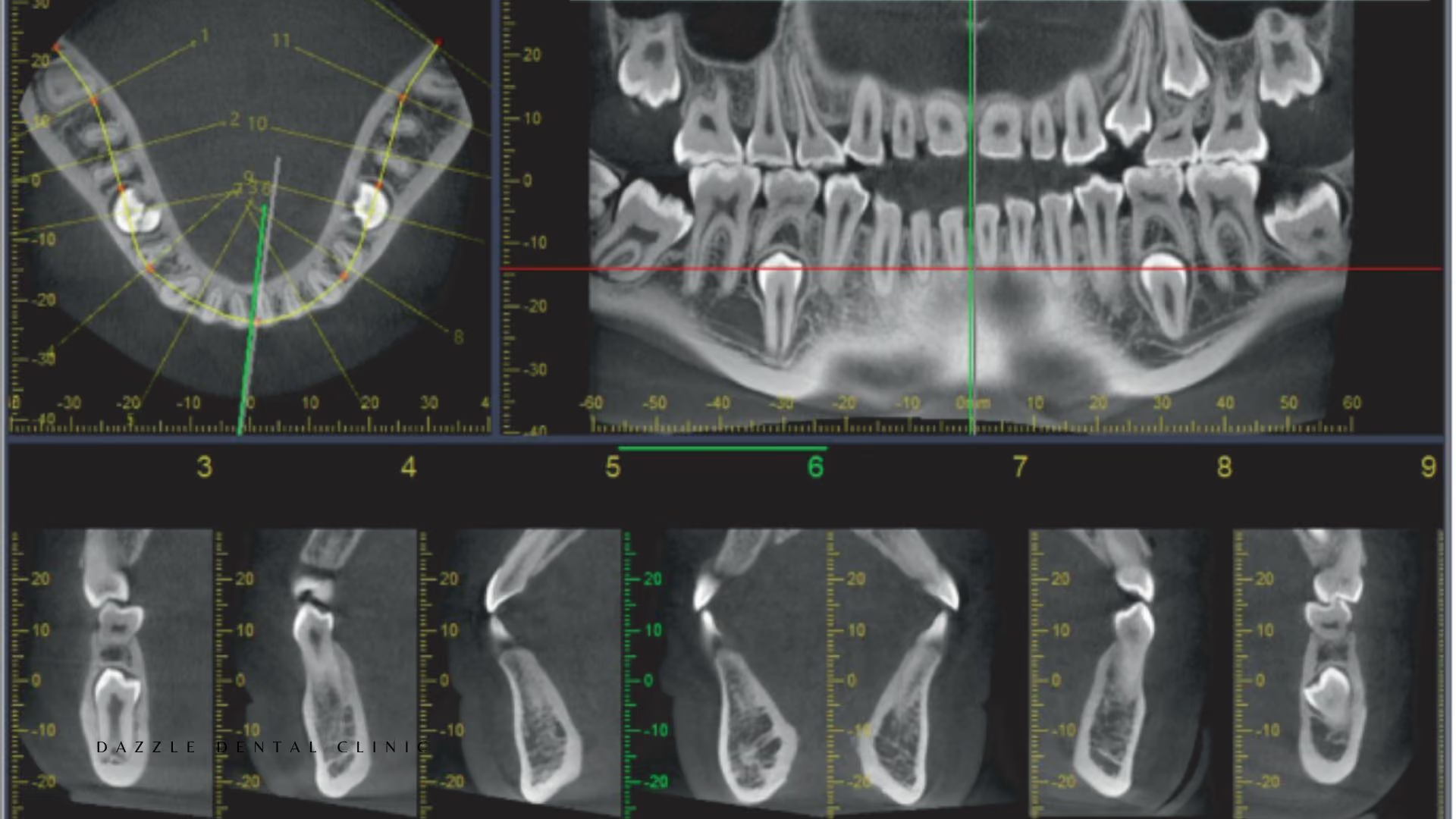
- take X-rays at intervals, often yearly in the first years, to compare bone levels with the baseline.
The bridge may be removed at some visits for a thorough clean. Screws are not tightened routinely; any movement of the bridge is a reason to come in.
Night guards and bite checks
Grinding and clenching at night load the bridge far beyond normal chewing. Over time this can chip or crack the bridge, loosen screws and stress the bone around the implants.
If you grind, a custom night guard worn over the bridge spreads that force. It wears with time and needs replacing now and then, which costs far less than repairing a bridge. Bite checks at each visit catch high spots early; our article on bite load and implant success explains why.
Warning signs to act on
Peri-implant mucositis is gum inflammation around an implant and is reversible with cleaning. Peri-implantitis is the next stage, with bone loss, and is much harder to treat. Do not wait for your next routine visit if you notice:
- bleeding around an implant that does not settle within a week or two of better cleaning;
- a bad taste or smell from under the bridge;
- gum shrinking back from an implant;
- any movement of the bridge;
- pain at one implant that is increasing rather than fading.
Aftercare for international patients
If you were treated in Mumbai and live abroad, your local dentist can do routine cleaning. You receive a written record of the implant system and parts and the maintenance plan to share with them. X-rays taken locally can be sent to your Dazzle team for review.
The final bridge needs a second trip, typically three to five days, three to six months after surgery. If a warning sign appears in between, contact the clinic; we can advise whether local care is enough or a return visit is needed.
Planning implants or due for a maintenance check? Book a Consult at our Bandra West or Kemps Corner clinic.

.avif)
