.webp)

A dental hygienist appointment is not simply a teeth polish. It is a clinical assessment and preventive treatment session that addresses the most common cause of tooth loss in adults (periodontal disease) before it becomes irreversible. At Dazzle Dental Clinic, hygiene care is provided by our specialist periodontal team, not as a routine add-on to a general appointment, but as a dedicated clinical service aligned with each patient's periodontal risk.
What Happens at a Hygiene Appointment at Dazzle
Periodontal assessment: At the first hygiene appointment, a full periodontal chart is taken: six measurements per tooth across all teeth, recording pocket depths, bleeding on probing, and recession. This creates a baseline for monitoring change at subsequent visits. Without this baseline, the hygienist cannot determine whether your gum health is stable, improving, or deteriorating. For patients with more advanced gum disease, this assessment forms the foundation of the periodontal diagnosis and treatment plan.
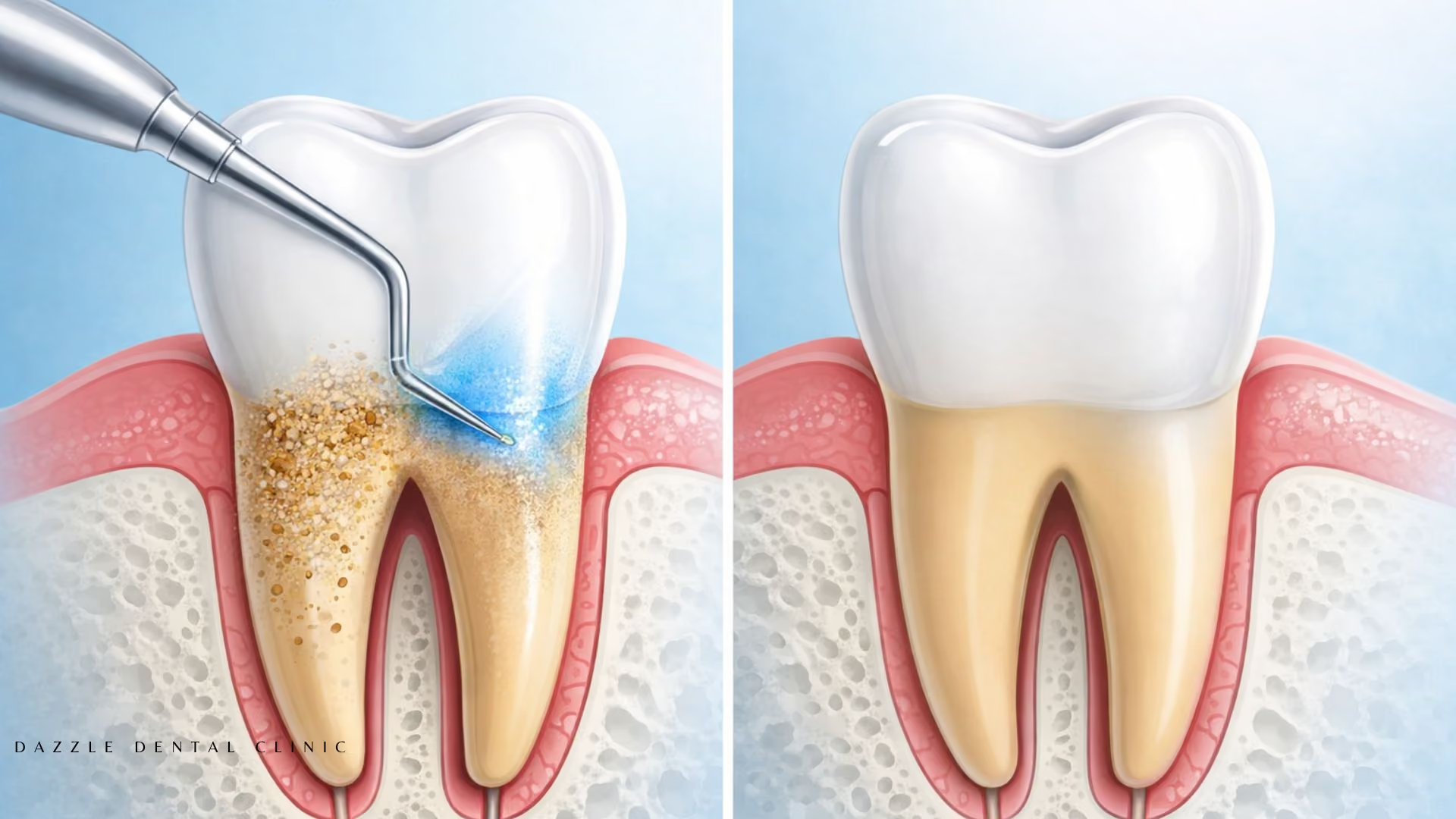
Supragingival scaling: Ultrasonic instruments (piezoelectric) are used to remove calculus from tooth surfaces above and at the gum margin. The ultrasonic tip vibrates at high frequency, dislodging calculus deposits that manual brushing cannot remove regardless of technique or frequency. Hand curettes refine the root surface after ultrasonic scaling. This is not a substitute for home brushing. It removes what daily brushing cannot.
Subgingival scaling (if indicated): When pockets are 4mm or deeper, subgingival root surfaces harbour bacteria that are inaccessible to routine supragingival instruments. Subgingival scaling (deep cleaning, or scaling and root planing) accesses these sites under or with the aid of local anaesthesia. This is a treatment for active gum disease, not a routine cleaning. It is performed when clinical assessment indicates it is needed, not as a default add-on.
Polishing: After scaling, a prophylaxis paste removes residual surface stain and smooths the enamel surface. Polishing does not whiten teeth beyond their natural shade; it removes extrinsic stain only. Abrasive paste is not used on exposed root cementum (which is softer than enamel and more susceptible to abrasive wear) or on implant surfaces. For patients with implants, the implant maintenance protocol uses titanium-safe instruments.
Oral hygiene instruction: Personalised coaching on brushing technique, interdental cleaning method (floss, interdental brushes, water flosser), and any adjuncts indicated for the patient's specific anatomy: orthodontic appliances, implants, bridges with pontics, recession areas.
How Often You Should Attend
For patients with no history of gum disease and low calculus accumulation: annual or 6-monthly hygiene appointments. For patients who have been treated for periodontitis: 3–4 monthly supportive periodontal therapy (SPT), since previously diseased sites are at substantially higher risk of reactivation than never-diseased sites. For implant patients: 6-monthly cleaning with non-metal (plastic or carbon fibre) instruments to avoid scratching the titanium surface. The interval recommended at your appointment is based on your specific clinical findings, not a blanket schedule.
Fluoride and Preventive Treatments
Professional fluoride application at the end of the hygiene appointment is offered for patients at elevated caries risk: high sugar intake, dry mouth (medications reducing saliva flow), orthodontic treatment, exposed root surfaces. Fissure sealants are applied to deep grooves in posterior teeth in younger patients to prevent pit-and-fissure caries. These preventive applications are part of the hygienist's clinical role, not upsells.
FAQs
Q1: Will my teeth be sensitive after a hygiene appointment?
Temporary sensitivity to cold is common for 1–2 weeks after hygiene treatment, particularly in areas where calculus removal exposes previously covered root surface. Using a sensitive toothpaste (potassium nitrate or stannous fluoride) during this period is recommended. Sensitivity that persists beyond 2–3 weeks warrants a follow-up assessment to confirm there is no other cause.
Q2: Is the deep cleaning procedure painful?
Subgingival scaling is performed under local anaesthesia at Dazzle for all areas where significant subgingival deposits are present or where the patient has sensitive teeth. The procedure is painless during treatment; post-operative gum soreness for 2–3 days is normal and manageable with NSAIDs.
Q3: My teeth look clean to me. Do I still need a hygiene appointment?
Yes. Calculus forms in areas that brushing does not reach, the gum line and interdental spaces, regardless of how clean the visible surfaces appear. Gum disease can be active and causing bone loss before any symptoms are present; pain typically only appears in advanced disease. The hygiene assessment detects this before it becomes irreversible.
Q4: Can my child see the dental hygienist?
Yes. Children benefit from early hygienist visits for professional cleaning, fluoride application, fissure sealants, and oral hygiene education. At Dazzle, hygienist appointments for children are adapted to be age-appropriate, building familiarity with dental care in a non-threatening environment before any treatment needs are present.

.avif)