


In brief: A routine scale and polish removes plaque and tartar above and just below the gum line on healthy gums. Scaling and root planing, often called deep cleaning, goes further down into gum pockets to clean and smooth the roots, and it is the standard first treatment for gum disease (periodontitis). Your dentist decides which one you need from gum measurements and X-rays.
Why teeth need professional cleaning
Plaque is a soft, sticky film of bacteria that forms on teeth every day. Brushing and flossing remove most of it, but whatever is missed can harden into tartar (calculus) within days. Tartar is rough, holds more plaque and cannot be removed with a toothbrush.
When plaque and tartar sit along the gum line, the gums become red, swollen and prone to bleeding. This is gingivitis, and it is reversible. If the bacteria move further down, the gum and bone that hold the tooth start to break down, forming pockets between gum and tooth. This is periodontitis, and the bone lost to it does not grow back on its own.
Untreated periodontitis can lead to loose teeth and tooth loss. It has also been linked in research with conditions such as diabetes and heart disease, and keeping gums healthy is particularly important for people with diabetes.
Scale and polish versus scaling and root planing
Routine scaling and polishing
This is the regular cleaning for people with healthy gums or gingivitis. The dentist or hygienist removes tartar from the crowns of the teeth and the shallow space just under the gum, then polishes the surfaces to remove stains and leave them smooth. It usually takes one visit and rarely needs anaesthetic.
Scaling and root planing (deep cleaning)
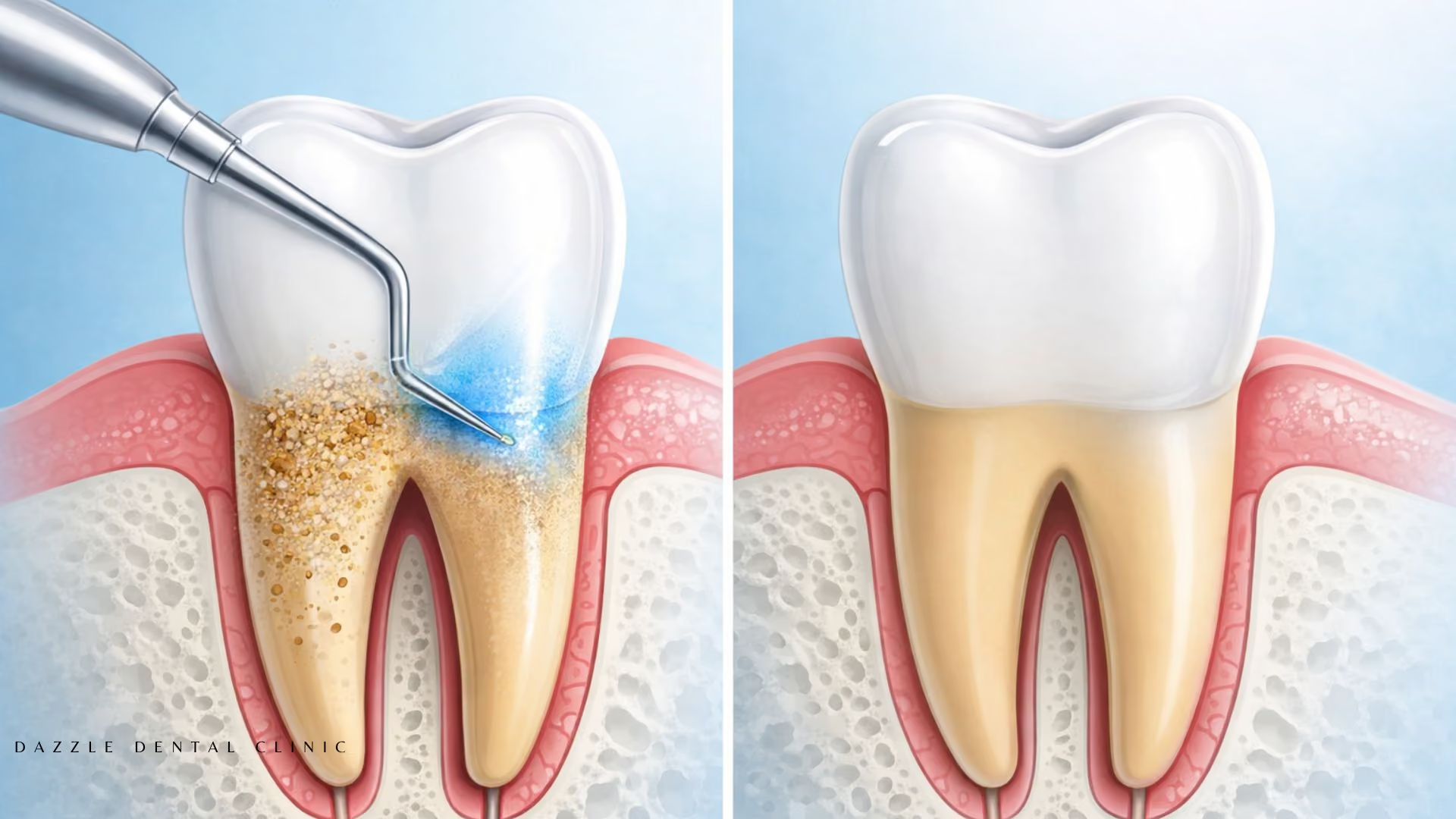
Scaling and root planing (SRP) is a non-surgical treatment for periodontitis. Scaling removes plaque and tartar from the root surfaces deep inside the gum pockets. Root planing then smooths those roots so that bacteria have fewer rough areas to cling to and the gum can heal more tightly against the tooth.
Because it reaches well below the gum line, SRP is usually done under local anaesthetic and is often split into two to four visits, treating one side or one quarter of the mouth at a time.
Who needs a deep cleaning?
SRP is recommended when examination shows periodontitis rather than simple gingivitis. Warning signs include:
- Gums that bleed when you brush or floss
- Red, swollen or tender gums
- Gums pulling back so teeth look longer
- Persistent bad breath or a bad taste
- Teeth that feel loose or have started to shift
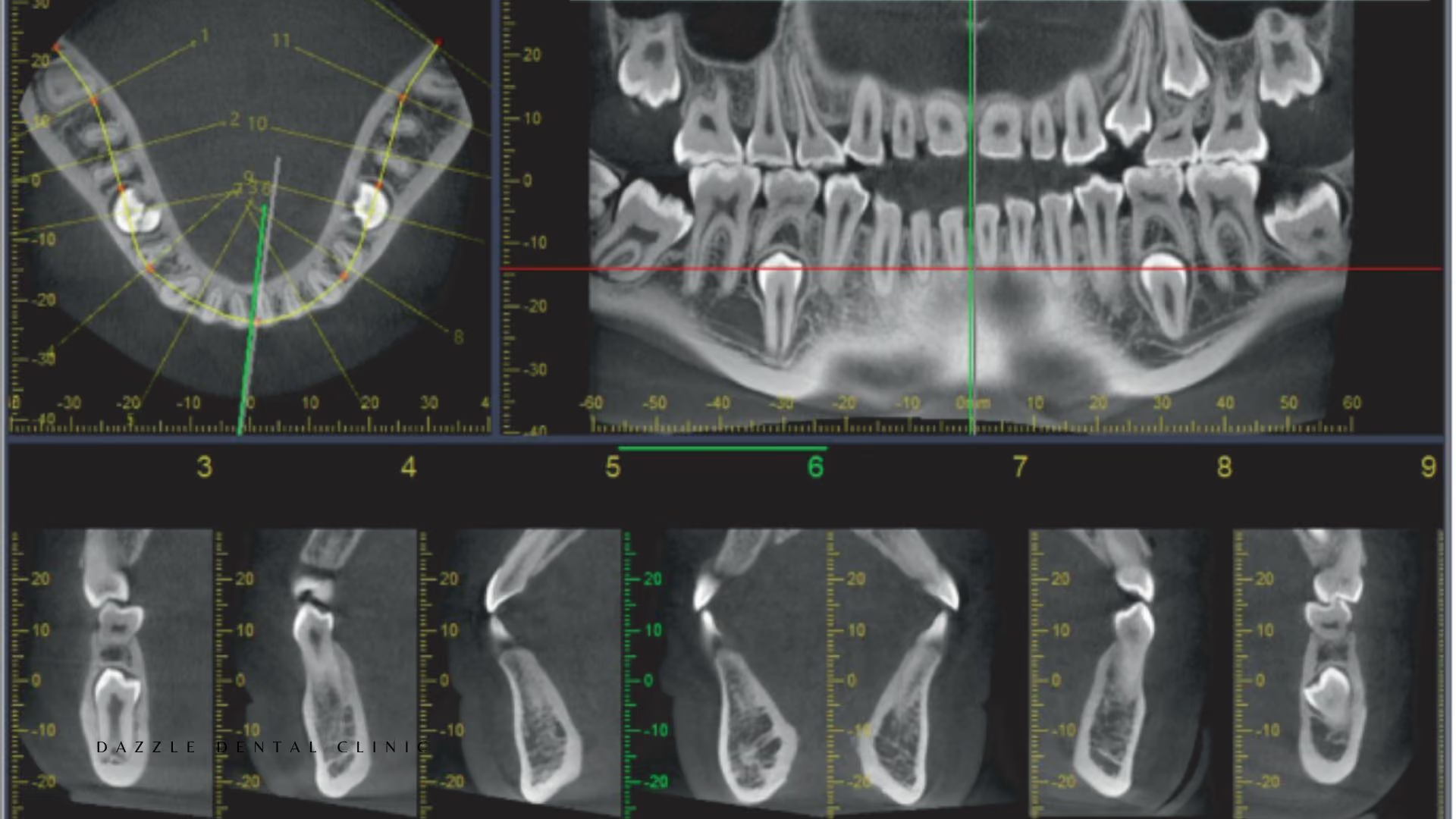
The diagnosis rests on probing depths (how deep the pockets are), bleeding on probing and X-rays showing bone levels. Read our guide to how gum disease is diagnosed for what those measurements mean.
What happens during the procedure
- Assessment: the dentist measures pocket depths around each tooth, checks for bleeding and reviews X-rays.
- Anaesthetic: the area being treated is numbed with local anaesthetic so you feel pressure and vibration rather than sharp sensation.
- Scaling: an ultrasonic scaler loosens and flushes away tartar with vibration and a fine water spray, and hand instruments remove what remains.
- Root planing: the root surfaces are smoothed with curettes.
- Irrigation: the pockets may be rinsed with an antibacterial solution.
- Home-care advice: you are shown how to clean the areas that need most attention.
A routine clean follows the same steps without the anaesthetic and deep root planing, and finishes with polishing.
Comfort and what to expect afterwards
With local anaesthetic, most patients find SRP comfortable. Once the numbness wears off, the gums may feel sore for a day or two, and teeth are often sensitive to cold for a few weeks as the roots are now exposed and clean. A desensitising toothpaste helps.
As the swelling settles, gums may tighten and recede slightly, so teeth can look a little longer. This is part of healing, not a sign that something went wrong.
A common worry is that deep cleaning loosens teeth or wears away enamel. It does neither. Teeth affected by periodontitis may feel slightly mobile for a short time once tartar bridging them is removed, but they often firm up as the inflammation settles. Leaving the tartar in place is what allows the bone loss to continue.
Aftercare at home
- Brush twice a day with a soft brush and fluoride toothpaste
- Clean between teeth daily with floss or interdental brushes
- Use a mouthwash only if your dentist recommends one
- Avoid smoking, which slows gum healing and worsens gum disease
- Attend the review visit, usually several weeks later, when pockets are measured again
At the review, the dentist compares the new measurements with the old ones. If deep pockets remain, the next step may be further cleaning or gum surgery to reach areas that cannot be cleaned from above.
How often should teeth be cleaned?
For most people with healthy gums, a professional cleaning every six months is a sensible default, though some need it more or less often. After treatment for periodontitis, maintenance visits are usually every three to four months, because the bacteria that cause gum disease recolonise deep pockets within a few months.
Dental implants also need regular professional cleaning, using instruments that will not scratch the implant surface. See our teeth cleaning page for what a routine visit at Dazzle includes.
Bleeding gums or due for a clean? Book a Consult at our Bandra West or Kemps Corner clinic.

.avif)
