.webp)

When a patient with severe upper jaw bone loss is assessed for implant rehabilitation, the clinical question is not simply “can implants be placed?” It is “what combination of anchorage structures can provide a stable full-arch foundation, and how do we plan for it?” Zygomatic implants and pterygoid implants are the two non-alveolar anchorage options — and they are most often used in combination rather than as independent alternatives. For the standard full-arch solution where alveolar bone is adequate, see our All-on-4 treatment page.
The Two Structures and What They Provide
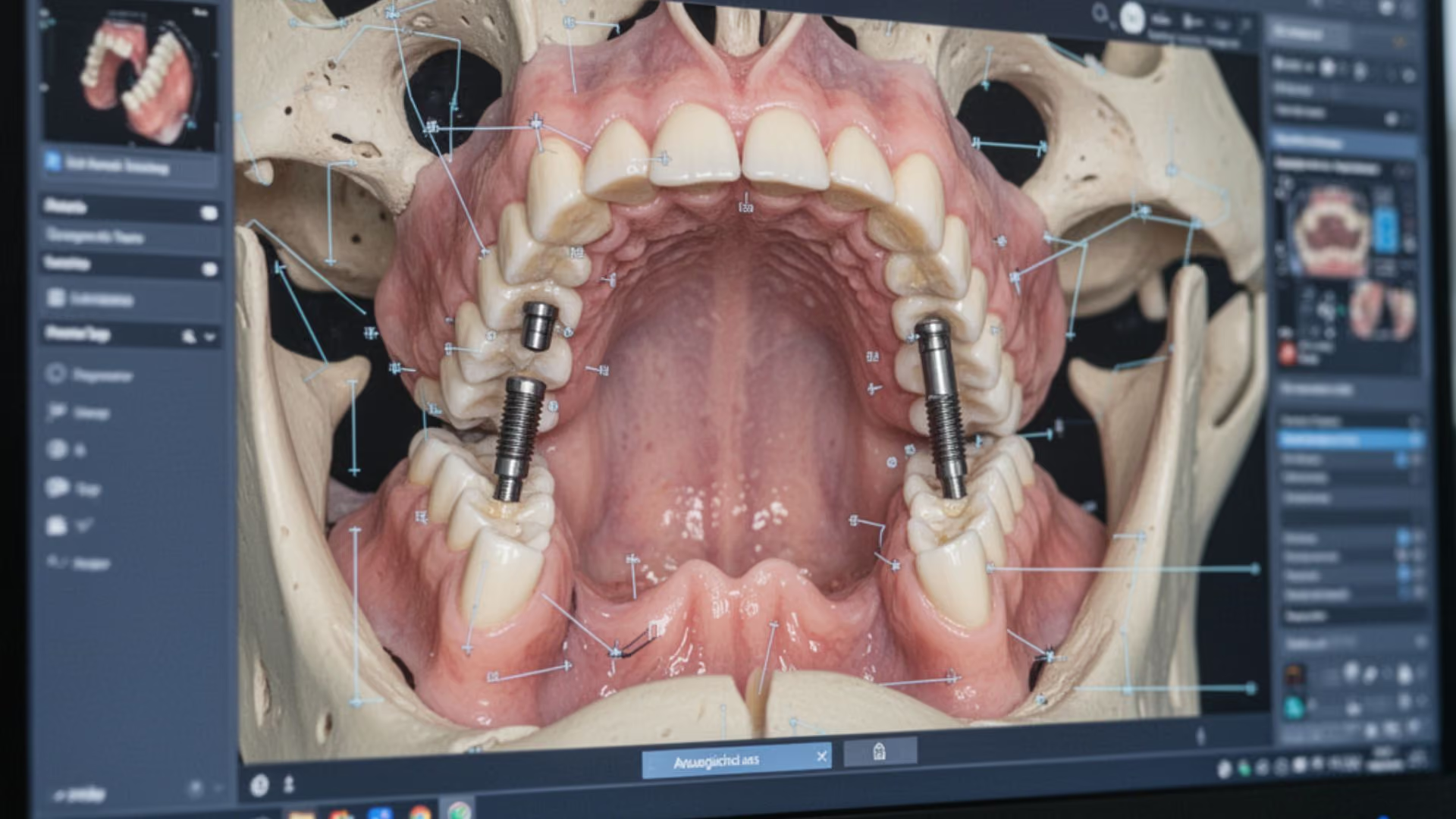
Zygomatic implants anchor in the zygomatic bone (cheekbone), providing support for the lateral posterior aspect of the full-arch bridge. Pterygoid implants anchor in the pterygoid plates of the sphenoid bone, at the very back of the upper jaw. Adding pterygoid implants to a case increases the AP spread by 8–12mm per side, reducing the cantilever at the distal end of the bridge and improving load distribution. For the clinical indication framework, see our zygomatic and pterygoid rehabilitation guide.
When Each Is Used and When Both Are Used Together
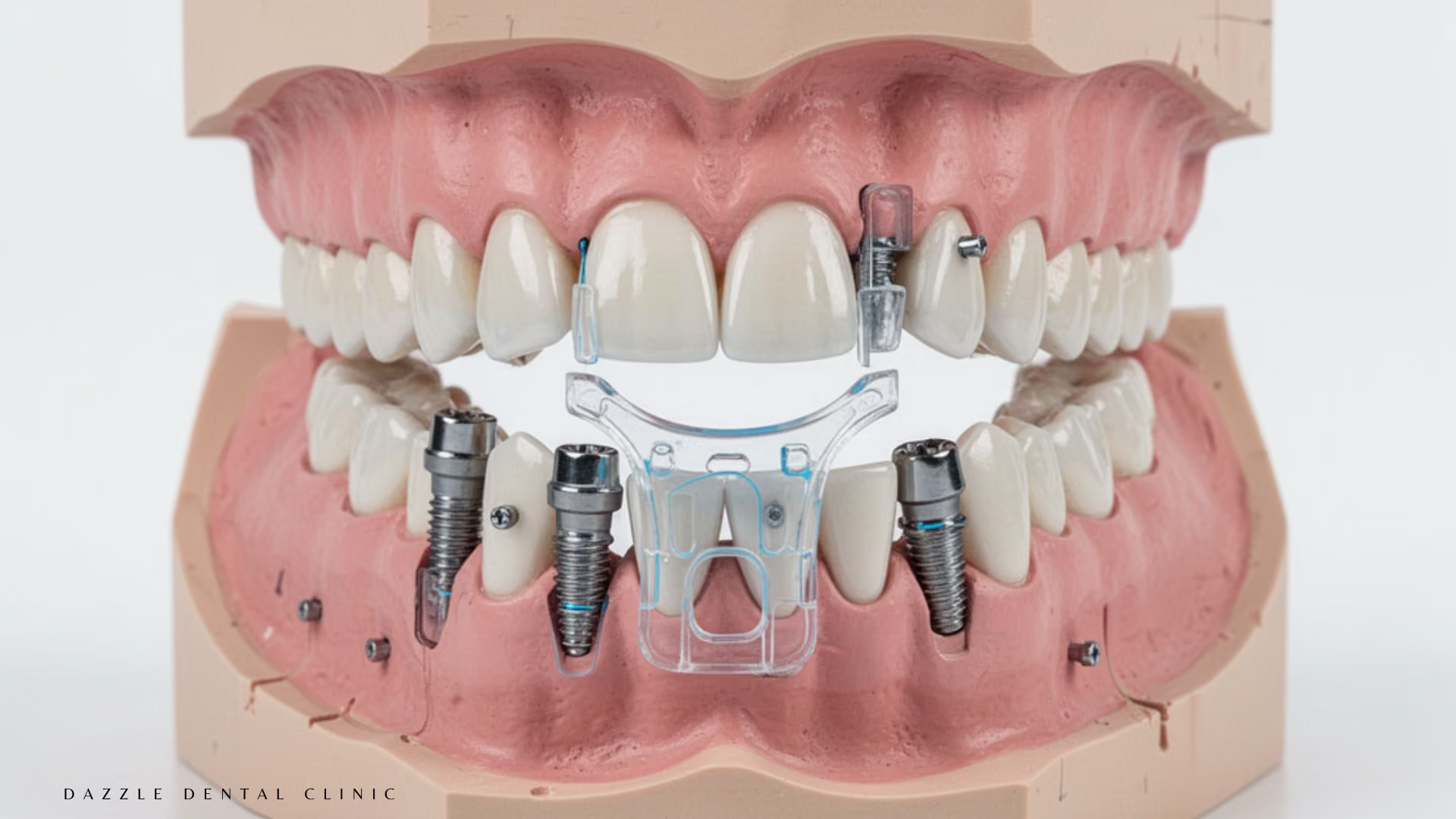
Zygomatic alone (+ anterior conventional): Two zygomatic implants provide lateral posterior support. Two conventional anterior implants provide anterior support where anterior ridge bone remains.
Quad-zygoma (four zygomatic, no conventional): Used for the most severely resorbed maxillae where even anterior ridge bone is insufficient.
Zygomatic + pterygoid: Used when the lateral maxillary anatomy accommodates a zygomatic approach and the posterior-most position is best served by pterygoid anchorage.
Pterygoid alone (+ conventional): Used in cases with moderate rather than severe posterior bone loss.
Why CBCT Planning Is Non-Negotiable
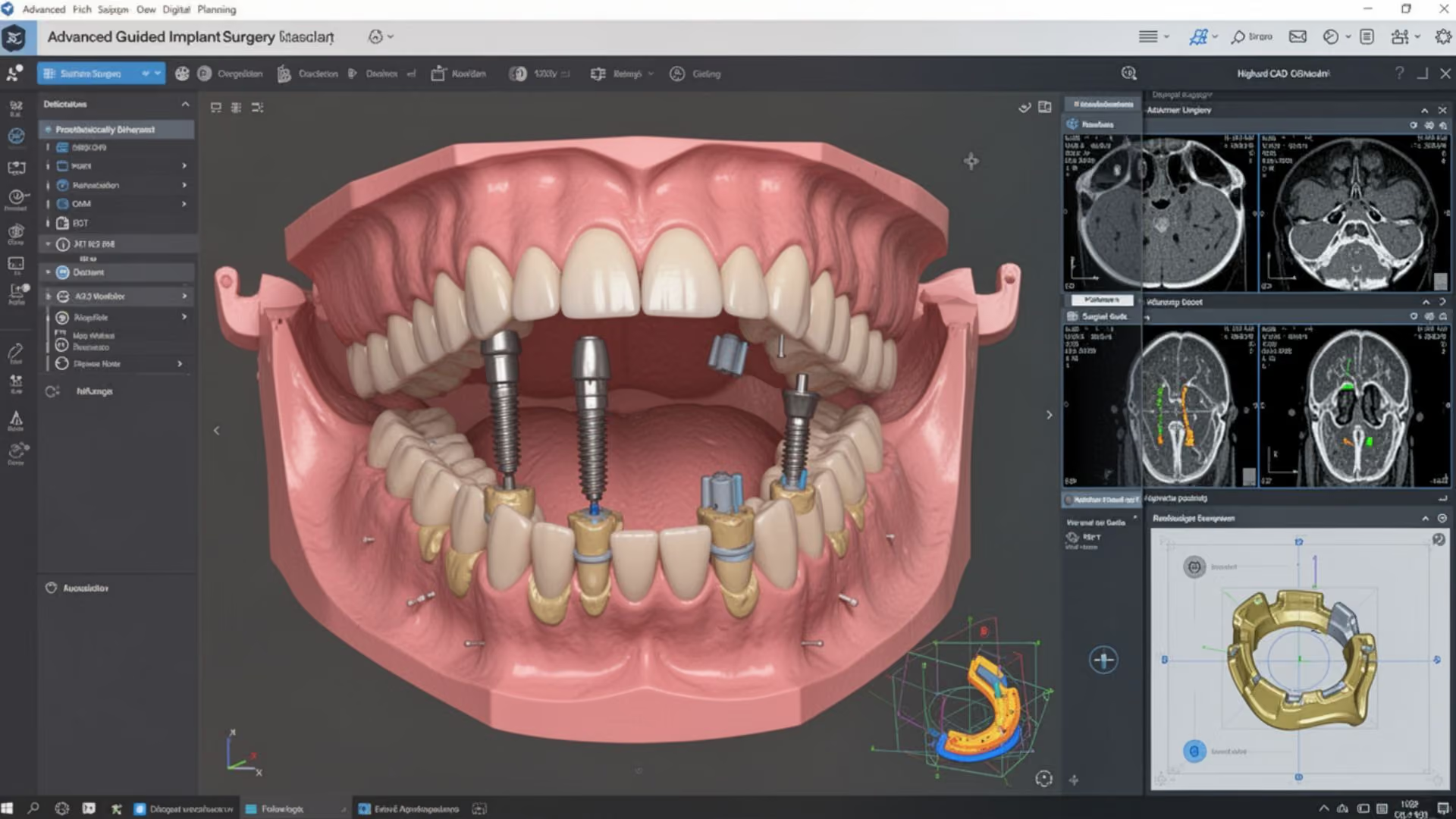
The decision between these configurations cannot be made from a panoramic radiograph or clinical examination alone. At Dazzle, every advanced implant case begins with CBCT analysis before any surgical planning is finalised.
FAQs
Q1: How does the surgeon decide how many zygomatic implants I need?
From the CBCT findings: specifically, the degree of alveolar bone loss in the anterior maxilla, the zygomatic bone volume and morphology per side, and the sinus anatomy.
Q2: Is there a preference between zygomatic and pterygoid at Dazzle?
Neither is preferred in the abstract — the preference is for the configuration that best matches the patient’s bone anatomy.
Q3: Does a more complex implant configuration mean more post-surgical complications?
Complexity of configuration does not linearly increase complication risk when the surgeon is experienced with all the approaches involved.
Q4: Can the implant configuration be changed intraoperatively if the anatomy differs from the CBCT plan?
Yes, and this is a standard surgical contingency. The CBCT plan is the primary guide; intraoperative tactile confirmation of bone quality is the final determinant.