.webp)

Cortical implants — also referred to as basal implants — anchor in the dense cortical bone layers of the jaw rather than primarily in the spongy cancellous (alveolar) bone that conventional implants rely on. This difference in anchorage mechanism has specific clinical implications, and understanding them honestly is more useful to a patient than a promotional comparison that simply lists advantages of one system over another.
At Dazzle, conventional implants are the preferred system for the majority of cases. Cortical implants are available and are used in specific clinical situations where their properties are genuinely advantageous. The distinction between the two is a clinical decision, not a brand preference.
The Core Difference: Where Each Anchors
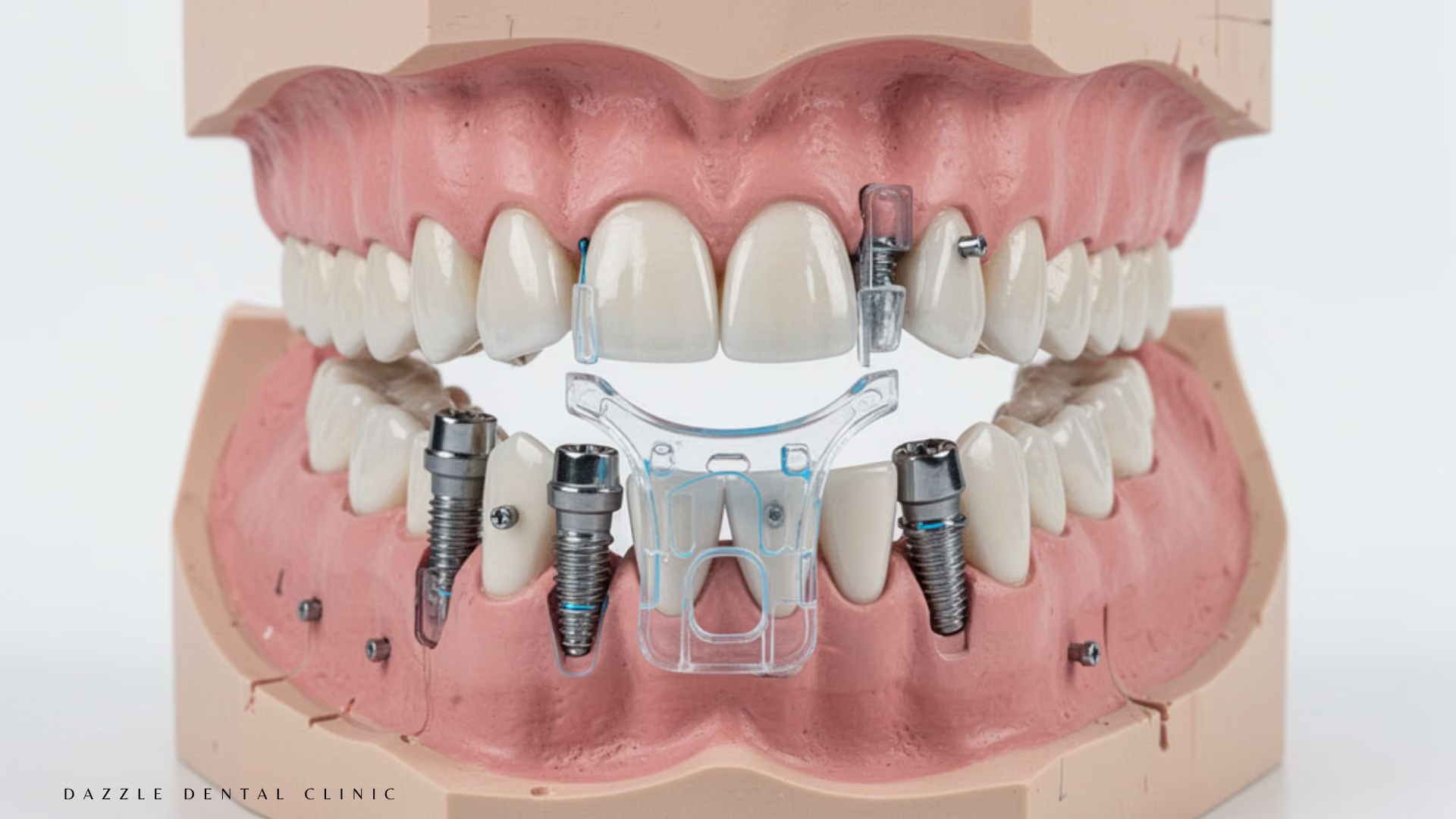
Conventional implants are placed in the alveolar bone — the bone that originally developed to support teeth and that remodels in response to load. The standard conventional implant (3.3–5mm diameter, 8–16mm length) achieves primary stability through thread engagement in this alveolar bone. Osseointegration — biological bonding between the implant surface and bone — occurs over 8–12 weeks as the alveolar bone grows around the implant surface. Modern implant surfaces (Straumann SLActive, Nobel TiUnite) are treated to accelerate this process, with SLActive achieving functional osseointegration at 3–4 weeks vs 6–8 weeks for standard machined surfaces.
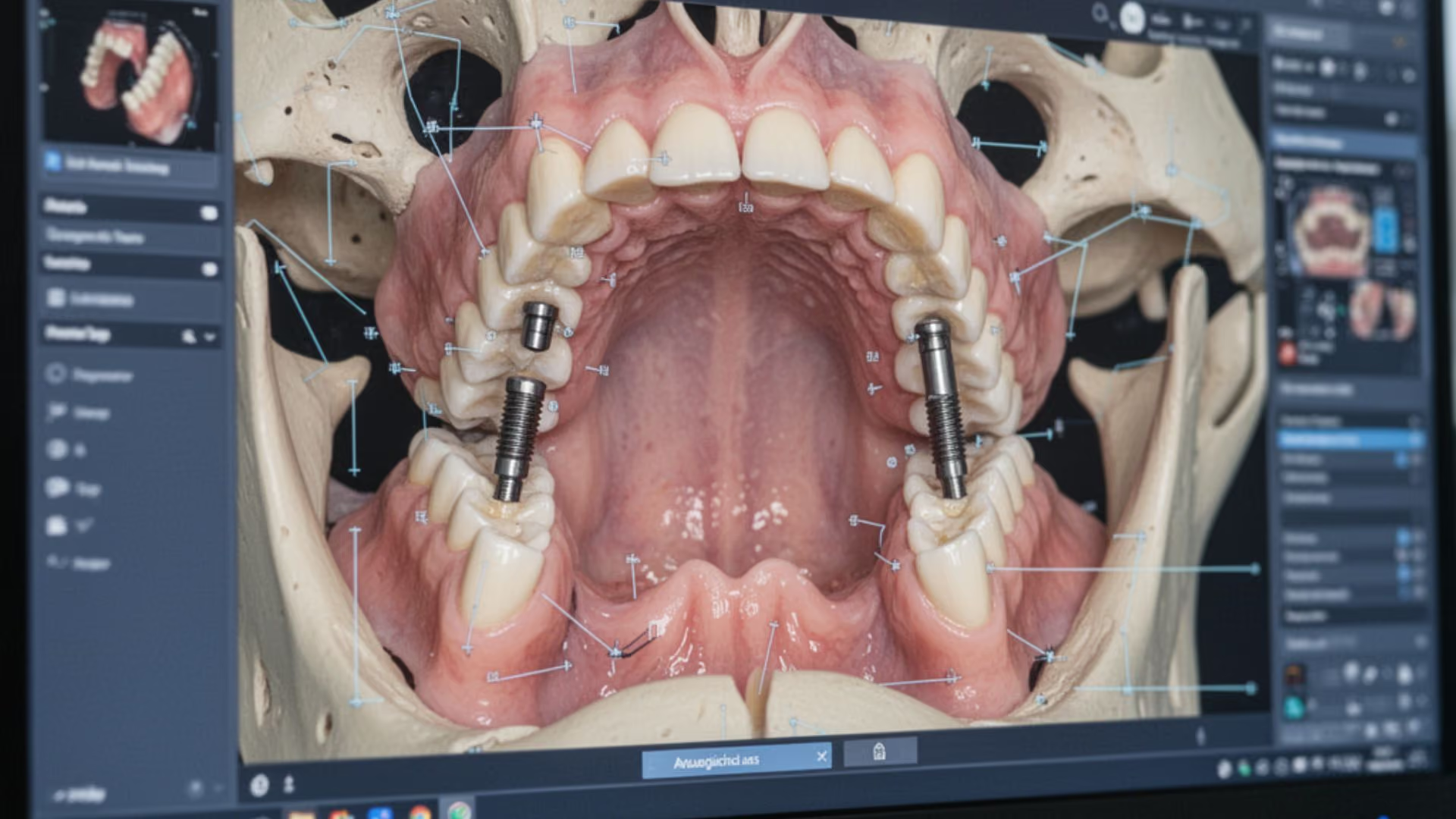
Cortical implants use a different geometry — wider, multi-piece designs or basal disk designs — that engages the cortical bone layers: the dense outer shell of the jawbone, the cortical plates at the base of the jaw, and in the mandible, the basal bone below the alveolar process. Cortical bone is denser and more resistant to resorption than alveolar bone, which is why cortical implants can provide stability in cases where the alveolar bone is severely deficient.
The Evidence Base: An Honest Assessment
Conventional implants (Straumann, Nobel Biocare, Osstem, MegaGen) have 20–30+ year longitudinal data from multiple independent research centres worldwide. Published 10–15 year survival rates: 95–98% in appropriate bone. This is the most robustly evidenced intervention in dentistry.
Cortical/basal implants have a shorter and more heterogeneous published evidence base. Independent long-term data (10+ years) from multiple institutions is less extensive than for conventional systems. Most published series show favourable short-to-medium-term outcomes, but the absence of the depth of evidence that conventional implants carry is a genuine consideration for patients making a long-term investment.
At Dazzle, the treatment plan recommendation accounts for this: conventional implants are the default where the bone supports them; cortical implants are an adjunct for specific cases. For a more detailed comparison, see our basal vs conventional implants article.
When Cortical Implants Have Specific Advantages
The clinical situations where cortical implant properties are genuinely useful:
Severely resorbed alveolar ridges where conventional implant height or width requirements cannot be met without substantial bone grafting, and where the patient’s medical status or preference makes extensive grafting inadvisable. Cortical engagement in the basal bone provides stability independent of alveolar ridge height.
Immediate loading in poor alveolar bone quality (Misch Type IV — very soft posterior maxillary bone). Standard conventional implants in Type IV bone achieve low insertion torque and may not meet the 35 Ncm threshold for immediate loading. Cortical anchorage can achieve higher primary stability in the same case.
Patients for whom bone grafting carries unacceptable risk due to medical comorbidities, anticoagulant therapy, or prior graft failure. Cortical implants avoid the graft entirely by anchoring in existing dense bone.
When Conventional Implants Are the Better Choice
When adequate alveolar bone is present: conventional implants in good bone have a longer evidence base and well-established long-term outcomes. They are appropriate for most single-tooth and multiple-tooth cases and for full-arch rehabilitation where bone quality and quantity are adequate. The ability to use premium conventional systems (Straumann SLActive, Nobel Active) whose specific surface technologies are supported by extensive independent clinical data is a real advantage when the bone conditions support them.
FAQs
Q1: Are cortical implants painful compared to conventional implants?
The surgical experience is similar — both are performed under local anaesthesia. The post-operative discomfort depends more on the number of implants placed and the extent of bone preparation required than on the implant type. Cortical implant surgery is not inherently more or less painful than conventional implant surgery.
Q2: Can cortical implants be used for a single missing tooth?
Technically yes, but for single-tooth replacement where alveolar bone is adequate, a conventional implant is the standard recommendation at Dazzle. The clinical and evidence advantages of conventional implants in adequate bone make them the preferred choice for straightforward single-tooth cases.
Q3: Are cortical implants more expensive?
Cost varies by system and case complexity. Because cortical implants often avoid bone grafting procedures, the total treatment cost can be comparable to or lower than a conventional approach that requires grafting, even if the per-implant cost is similar. The relevant comparison is total treatment cost for the clinical outcome, including any grafting costs.
Q4: If I’ve been told I need cortical implants at another clinic, should I seek a second opinion?
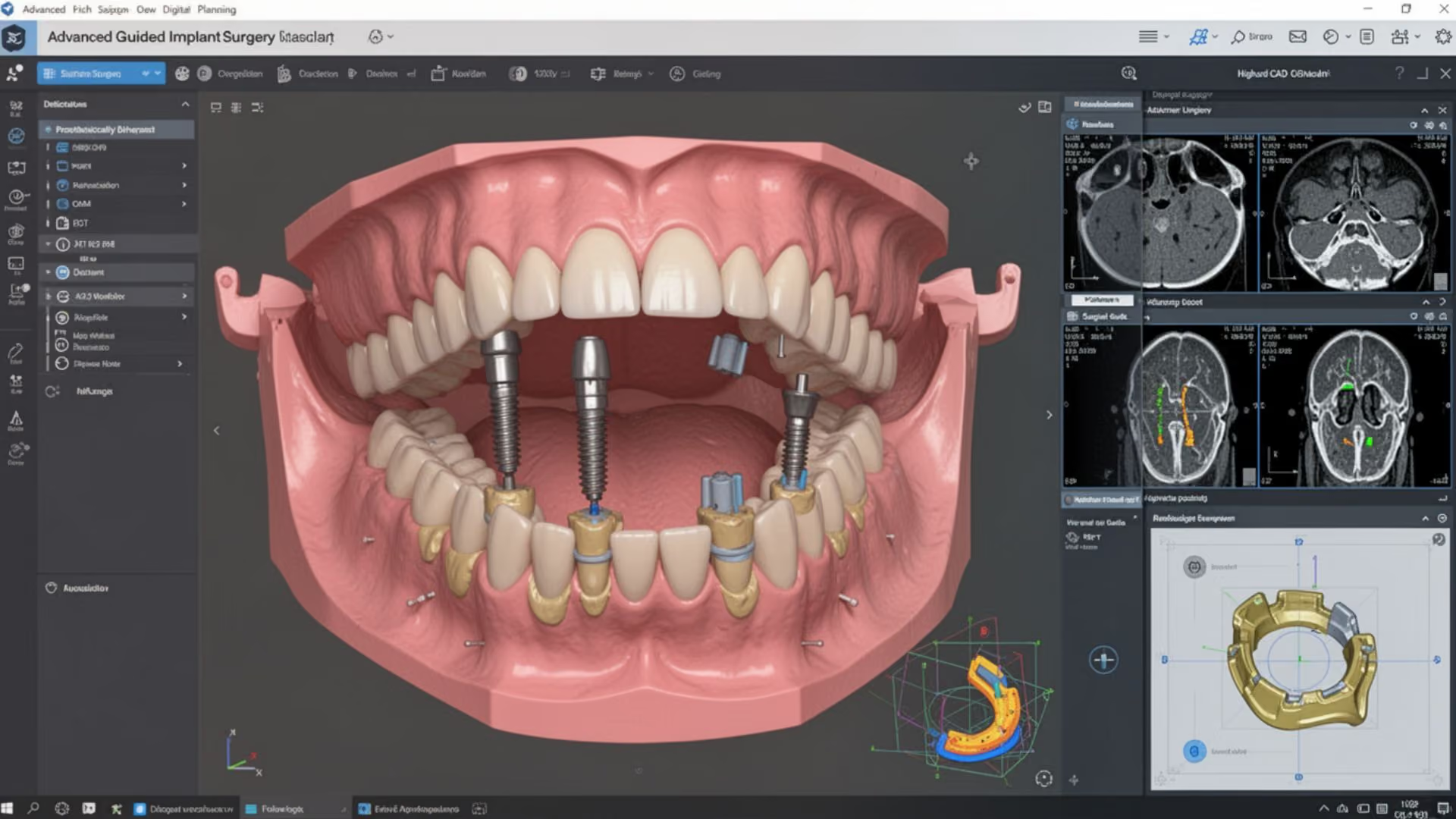
Yes, if the recommendation was not accompanied by a CBCT review and a clear explanation of why conventional implants are not viable in your specific anatomy. Cortical implants are appropriate in specific cases; recommending them universally as a superior option is not evidence-based. A CBCT-based second assessment at Dazzle will determine what the anatomy actually supports.