.webp)

Many patients who arrive at Dazzle Dental Clinic for zygomatic implant assessment have already been told they cannot have implants — sometimes by multiple clinicians over several years. The reason is almost always the same: insufficient alveolar bone in the upper jaw, which rules out conventional implant placement. “Not a candidate for conventional implants” does not mean “not a candidate for implants” — it means the approach that requires alveolar bone is not viable. For standard full-arch cases where alveolar bone is adequate, see our All-on-4 treatment page.
Who Is Actually a Candidate for Zygomatic Implants
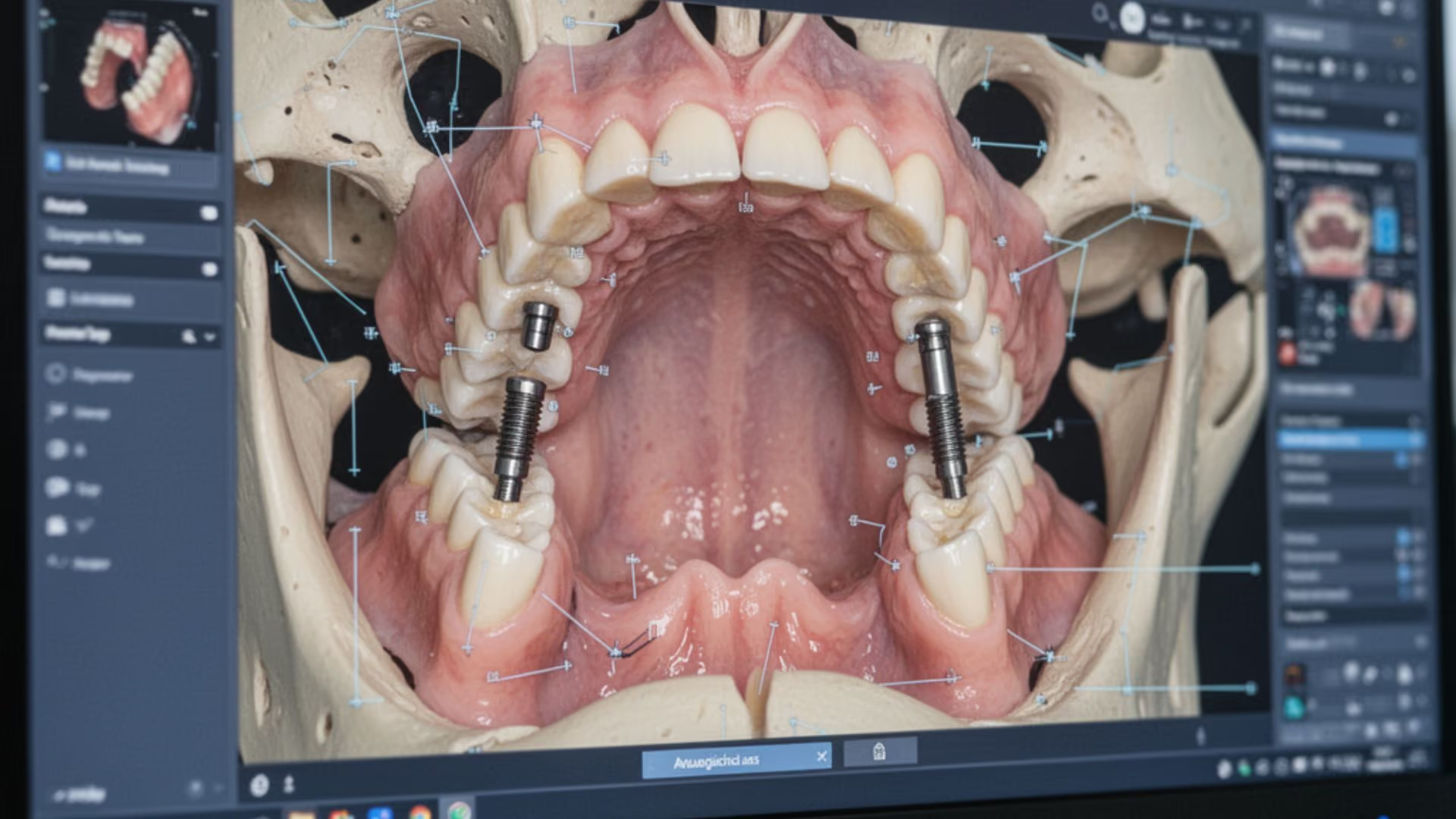
Severe maxillary atrophy: Patients who have been edentulous in the upper arch for years and whose alveolar ridge has resorbed to the extent that conventional All-on-4 angulation cannot achieve adequate primary stability.
Previous sinus lift failure: Patients who have undergone one or more failed sinus lifts. Zygomatic implants do not require the sinus at all.
Previous conventional implant failures in the upper jaw: Zygomatic implants anchor in the cheekbone, which is anatomically independent of where previous alveolar implants failed.
Medical factors that reduce graft success: Active or recently controlled diabetes, long-term bisphosphonate use, radiation to the jaw region, and smoking all reduce graft success rates. These same factors do not meaningfully impair cortical bone integration in the zygoma.
What the Assessment Involves
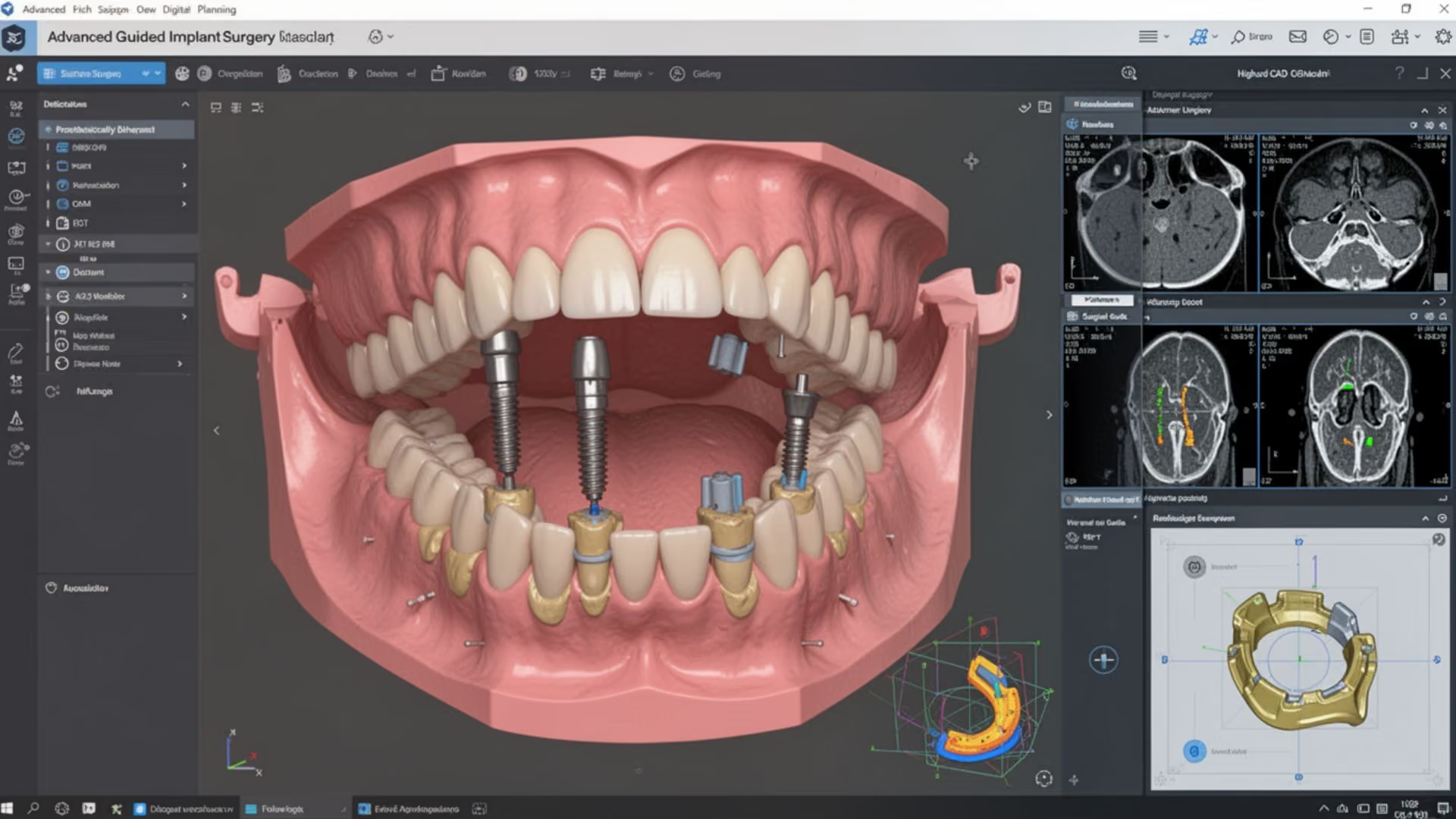
Zygomatic implant candidacy is determined primarily from a CBCT scan. For international patients with an existing CBCT: send the DICOM files before travelling. Dazzle’s implantologist can assess candidacy and provide a preliminary plan before you commit to a trip.
What the Outcome Looks Like
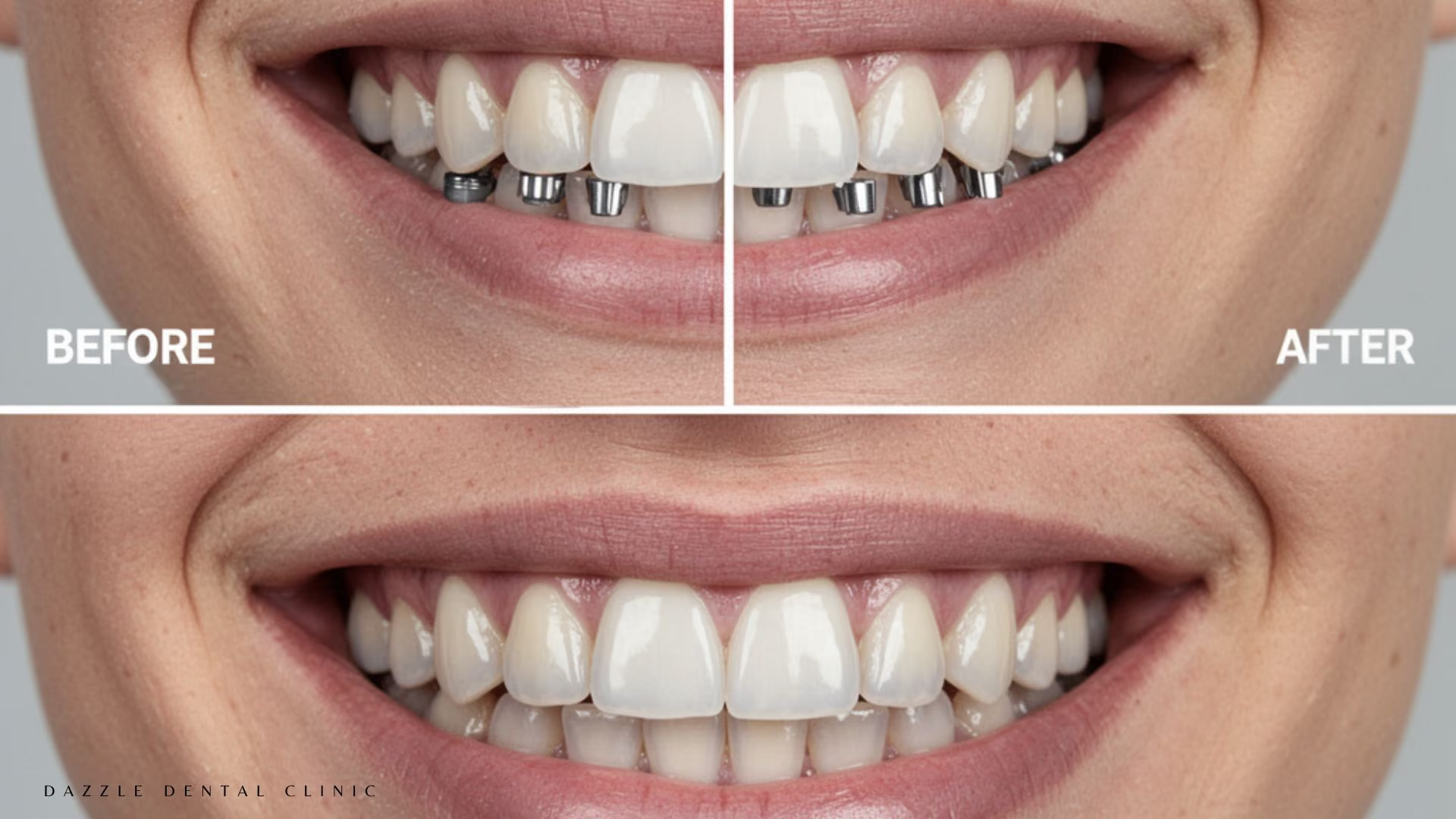
The prosthetic outcome is identical to All-on-4: a fixed full-arch bridge that does not come out, does not require adhesive, and allows full chewing function. Published 10-year data shows 95–98% survival. For the specific surgical workflow and recovery timeline, see our zygomatic anatomy and outcomes guide.
FAQs
Q1: I had bone grafts that failed. Can zygomatic implants still work?
Yes. Failed grafts typically leave the alveolar ridge more deficient, but they do not affect the zygomatic bone.
Q2: I was told my bone is too far gone for any implants. Is that possible?
Very rarely. Most patients told they have “too little bone” have too little alveolar bone, not too little zygomatic bone. A CBCT assessment provides the definitive answer.
Q3: How many implants are typically used for a zygomatic full-arch case?
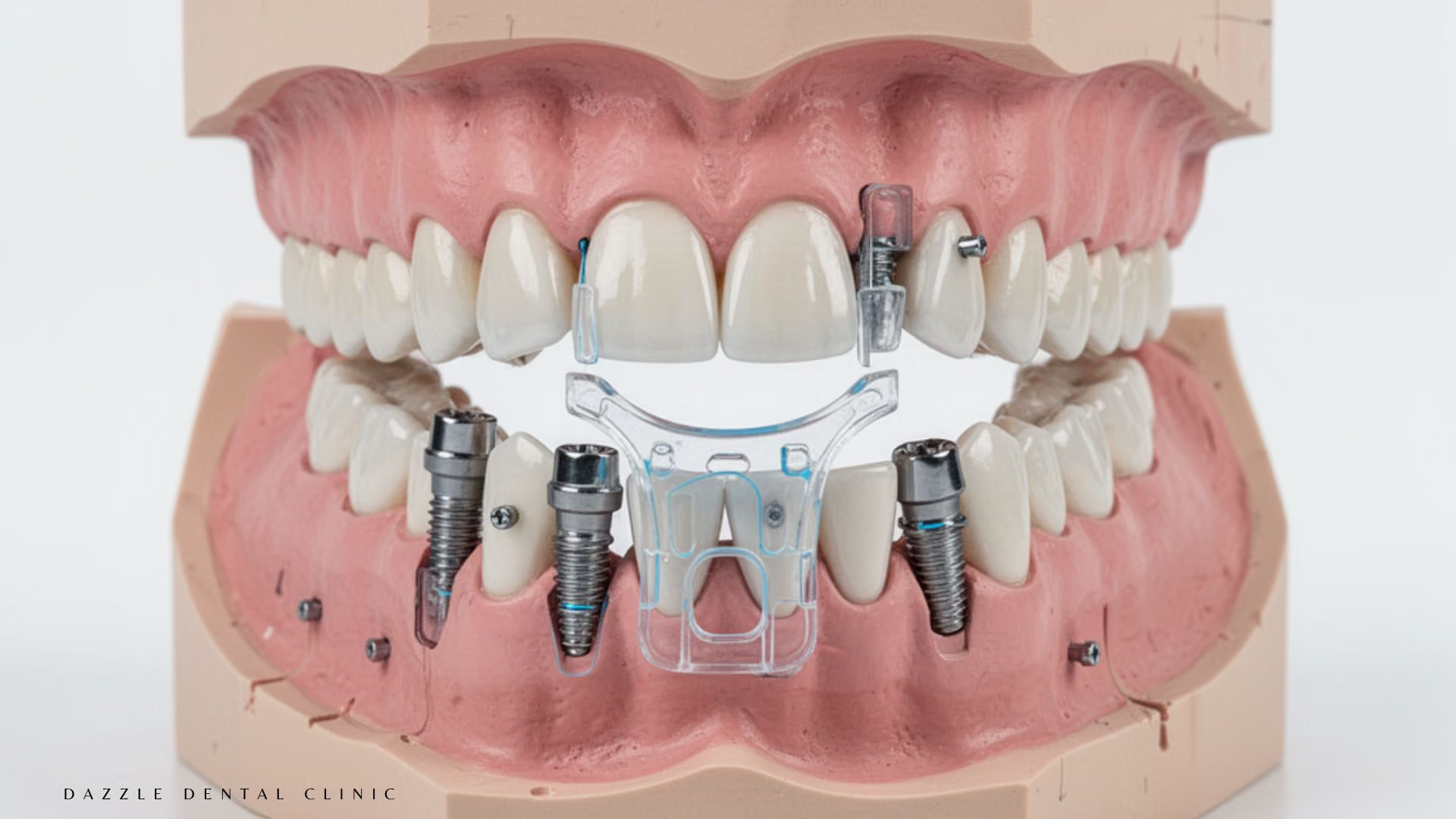
Most commonly: two zygomatic implants (one per side) combined with two conventional anterior implants. For the most severely atrophied cases: four zygomatic implants (quad-zygoma).
Q4: Will my facial appearance change with zygomatic implants?
The implant trajectory is entirely internal and nothing protrudes through the cheek. Facial contour is typically improved by the prosthesis, which restores lip support lost with tooth and bone loss.