


.webp)

Infection control in a dental clinic operates at two levels. The first is routine: instrument sterilisation, surface disinfection, barrier protection, and hand hygiene for every patient contact. The second is surgical: implant surgery, bone graft procedures, and periodontal regenerative surgery require sterility standards equivalent to minor surgical procedures. At Dazzle Dental Clinic, both levels are maintained as clinical standards, not as differentiating features. Our All-on-4 and single implant surgical protocols both operate under full surgical sterility standards.
Instrument Sterilisation
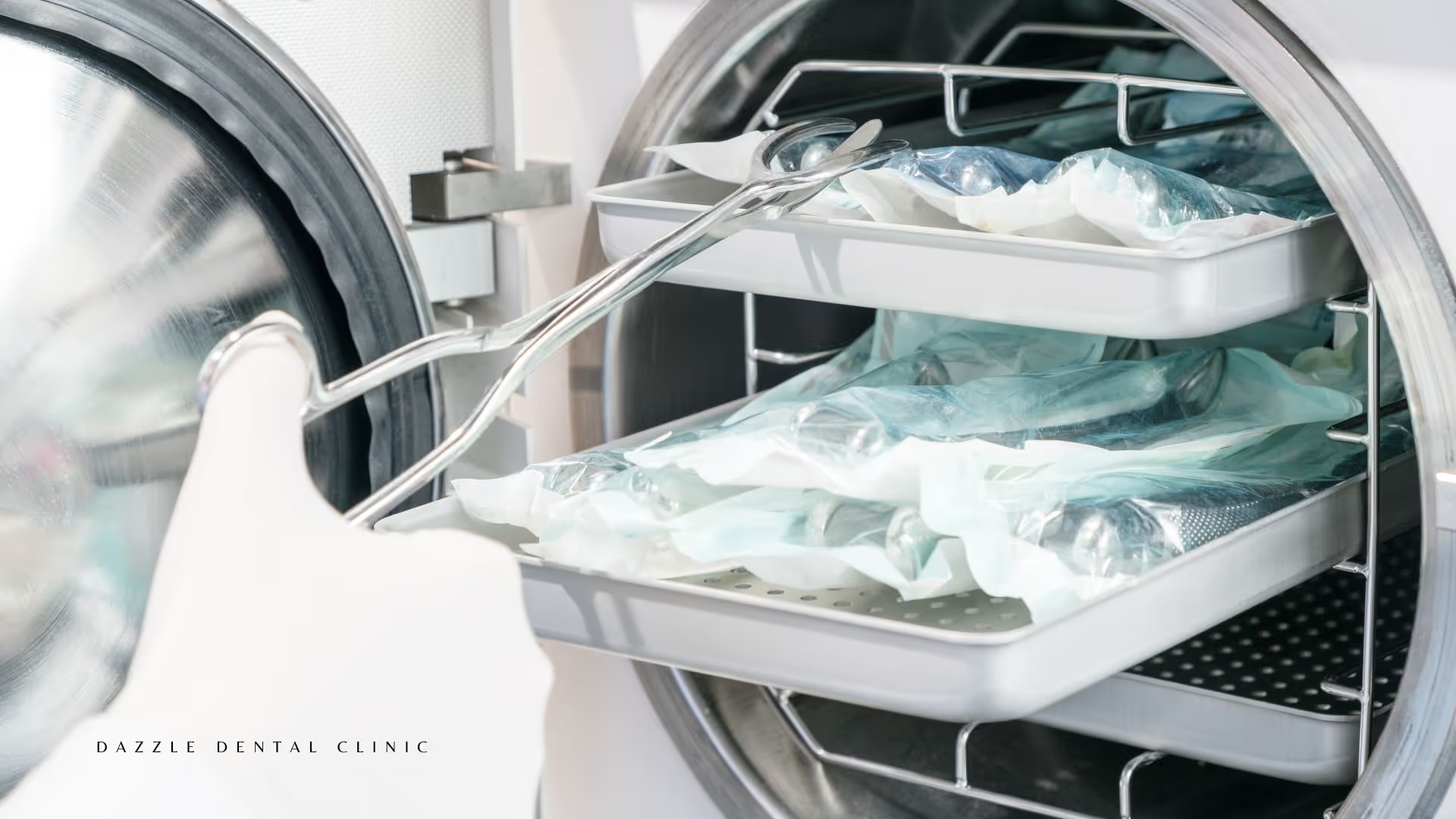
All instruments at Dazzle that contact patient tissue are sterilised before each use. The sterilisation cycle: pre-cleaning and decontamination (ultrasonic bath); inspection; packaging; Class B vacuum autoclave sterilisation at 134°C, 3-bar pressure; labelled with cycle date and operator. Class B autoclaves achieve sterilisation of wrapped and hollow instruments that the older Class N gravity-displacement autoclaves cannot. All surgical instrument kits at Dazzle are Class B processed. Implant components are delivered pre-sterilised from the manufacturer in sealed internal packaging and are opened immediately before implant placement.
Single-Use Items
Single-use items at Dazzle include needles, cartridges, suction tips, saliva ejectors, impression trays, and all implant packaging. These items are never reprocessed. A policy of no-reuse for single-use items is absolute. Single-use implant components are never opened before the surgical moment at which they will be used.
The Surgical Environment
For implant surgery, bone grafting, and regenerative procedures, additional sterility requirements apply. Sterile drape over the patient. Sterile gown and sterile gloves for the surgical team. Sterile saline from single-use sealed bags for bone irrigation. Pre-operative chlorhexidine oral rinse to reduce intraoral bacterial load before incision. Sterile field maintained throughout the procedure; non-sterile contact removes items from the sterile field.
Patient-Related Infection Risk
Clinic sterility removes clinic-origin infection risk. Residual infection risk for implant patients comes from the patient's own biology: uncontrolled diabetes, active smoking, poorly controlled periodontitis at adjacent sites, and systemic immunosuppression all increase peri-operative and post-operative infection risk. These are assessed in the pre-surgical medical history review and managed as part of treatment planning. Peri-operative infection is a direct cause of early implant failure. The sterility requirements for implant placement are equivalent to those for minor orthopaedic or oral surgical procedures.
FAQs
Q1: How can I verify the sterilisation standards before treatment?
You can ask to see the autoclave class and cycle log. Class B autoclave certification confirms the equipment meets surgical-grade sterilisation requirements. At Dazzle, this documentation is available on request.
Q2: Are implant components ever reused?
No. Implant fixtures, abutments, and all implant-related components are single-use items supplied pre-sterilised from the manufacturer. No implant component placed in a patient is reused or reprocessed.
Q3: What antibiotic protocol is used for implant surgery?
Standard: amoxicillin 2g one hour before surgery (pre-operative prophylaxis). Post-operative antibiotics are prescribed for complex procedures. For penicillin-allergic patients: clindamycin or azithromycin alternatives are prescribed. See our implant precision placement guide for more on the surgical protocol.
.avif)


