.webp)

Infection control in dental implant surgery is not a differentiator between premium and standard clinics — it is a baseline clinical requirement. The reason it is worth explaining in detail is that international patients, in particular, are often uncertain about whether sterilisation standards at a clinic abroad match what they expect from surgical care. The answer at Dazzle Dental Clinic is yes — and this article explains specifically what that means.
Why Implant Surgery Has Specific Infection Control Requirements
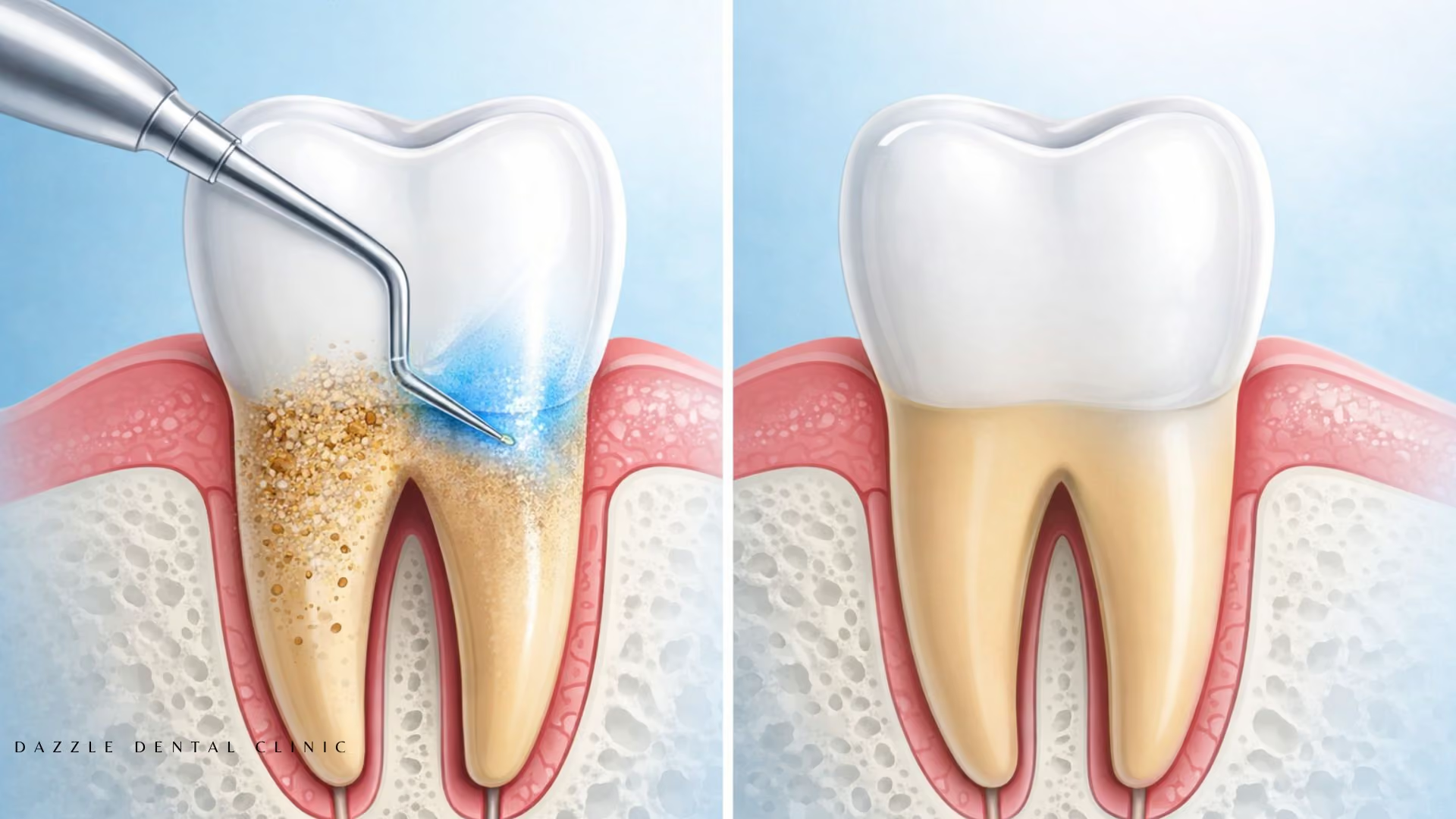
A dental implant is a foreign body placed into bone. Infection at the time of placement — from contaminated instruments, a non-sterile field, or inadequately prepared bone — can result in early osseointegration failure, peri-implantitis, or systemic bacteraemia in medically compromised patients. The sterility requirements for implant placement are equivalent to those for minor orthopaedic or oral surgical procedures — considerably more stringent than routine restorative dentistry.
Instrument Sterilisation Protocol
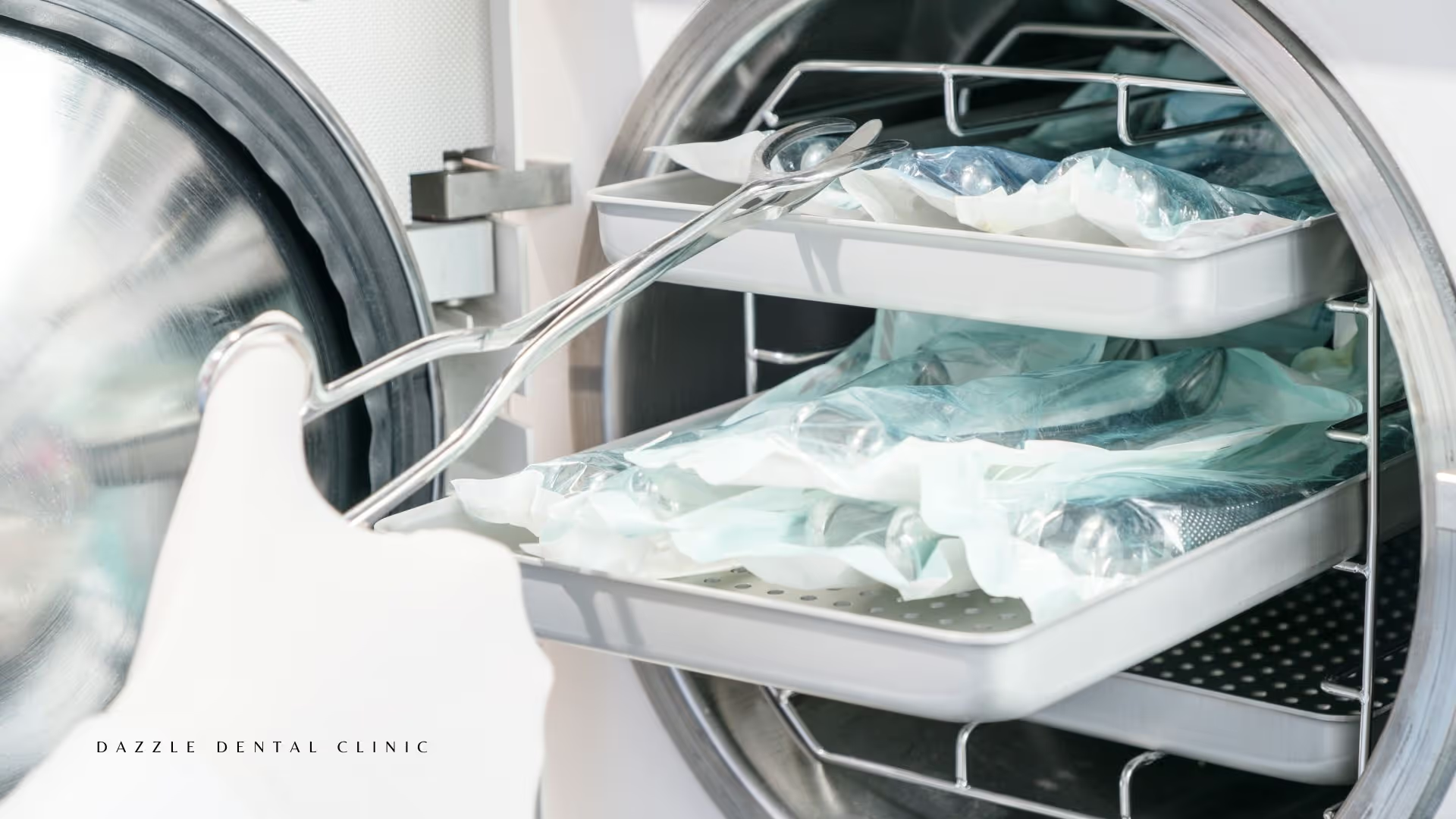
All surgical instruments at Dazzle are sterilised in Class B autoclaves (vacuum autoclaves). Class B autoclaves achieve sterilisation of hollow and wrapped instruments that Class N (gravity-displacement) autoclaves cannot. The pre-vacuum stage removes air from instrument lumina before steam penetration — critical for wrapped instrument packs and hollow instruments. Implant surgical kits: dedicated per-brand instrument sets, used once per surgery and re-sterilised before reuse. Temperature and cycle logs are maintained for audit compliance. Implant components: supplied pre-sterilised in sealed packaging, opened immediately before use.
Surgical Field Preparation
For implant surgery, the preparation extends beyond standard barrier precautions. Patient preparation: pre-operative chlorhexidine rinse reduces intraoral bacterial load. Surgical field isolation: sterile drapes. Operative team: sterile gown, sterile gloves (in addition to standard barrier gloves), eye protection. Irrigation: sterile saline from sealed single-use bags for bone cooling and lavage. No cross-contamination protocol: instruments touched by the surgical team's non-sterile glove contact are discarded from the sterile field.
Antibiotic Prophylaxis
Standard antibiotic prophylaxis for implant surgery at Dazzle: amoxicillin 2g one hour before surgery. For penicillin-allergic patients: clindamycin or azithromycin per protocol. Post-operative antibiotics (5–7 days) are prescribed for complex procedures (multiple implants, bone grafting, sinus lifting). This is consistent with published implant surgery antibiotic guidelines. For international patients, medication documentation is provided at discharge for reference at your home clinic or pharmacy.
Surface Disinfection and Clinic Hygiene
Operatory surfaces between patients: EPA-registered broad-spectrum disinfectant on all contact surfaces. Barrier protection: disposable covers on all high-touch surfaces (light handles, chair controls, computer inputs) changed between patients. HVAC filtration and ventilation: clinical areas maintained at positive pressure with HEPA filtration. Waterline management: dental unit waterlines decontaminated with approved waterline disinfectant protocols, with periodic biofilm testing. For the All-on-4 full-arch protocol specifically, sterile field requirements are maintained throughout the extended surgical procedure. See our osseointegration guide for how sterility affects long-term integration outcomes.
FAQs
Q1: Is infection after implant surgery common?
Post-operative infection after implant surgery at Dazzle is uncommon when protocols are followed and the patient takes prescribed antibiotics correctly. The primary risk factors for infection are patient-related: smoking, poorly controlled diabetes, and failure to take prescribed antibiotics.
Q2: What should I do if I think I have an infection after implant surgery?
Contact Dazzle directly. Symptoms of early post-operative infection: increasing pain after day 3 (rather than decreasing), fever above 38°C, visible pus, or severe swelling increasing rather than resolving. Do not wait to see if it resolves. Early treatment is substantially more effective than delayed treatment.
Q3: Are the sterilisation standards the same in both clinic locations?
Yes. Sterilisation protocols are standardised across both clinic locations. Both are equipped with Class B autoclaves; both follow the same instrument management and field preparation protocols.

.avif)