


Single tooth implant surgery is a routine outpatient procedure. Recovery is predictable, manageable, and considerably less disruptive than patients typically anticipate. Understanding what to expect day by day helps patients plan practically and reduces the anxiety that comes from not knowing whether what they're experiencing is normal.
Day of Surgery and Evening
The surgical appointment at Dazzle typically takes 60–90 minutes for a single implant placement without bone grafting. Under local anaesthesia, the procedure is comfortable. Afterwards: the anaesthesia wears off within 1–2 hours; mild to moderate discomfort begins at this point. Prescribed NSAIDs (typically ibuprofen or naproxen) taken before the anaesthesia fully wears off are the most effective strategy for this transition period. Soft diet from this evening. Ice packs to the cheek for 20 minutes on, 20 off, for the first 4–6 hours. Rest. No strenuous activity.
Days 1–3: Peak Swelling
Swelling peaks at 24–48 hours. For a single-tooth implant without bone grafting, this is typically mild: slight puffiness of the cheek, not dramatic facial swelling. Bruising is uncommon. Discomfort at this stage is typically managed with over-the-counter medication. Most patients can work (from home or in non-physical roles) from day two. The implant site may feel tender to pressure from the tongue or lip. This is normal.
Days 3–7
Swelling reduces progressively. Most patients have minimal visible swelling by day five. Discomfort drops significantly: many patients stop needing regular pain medication by day three or four. If sutures are placed, they are removed at 7–10 days.
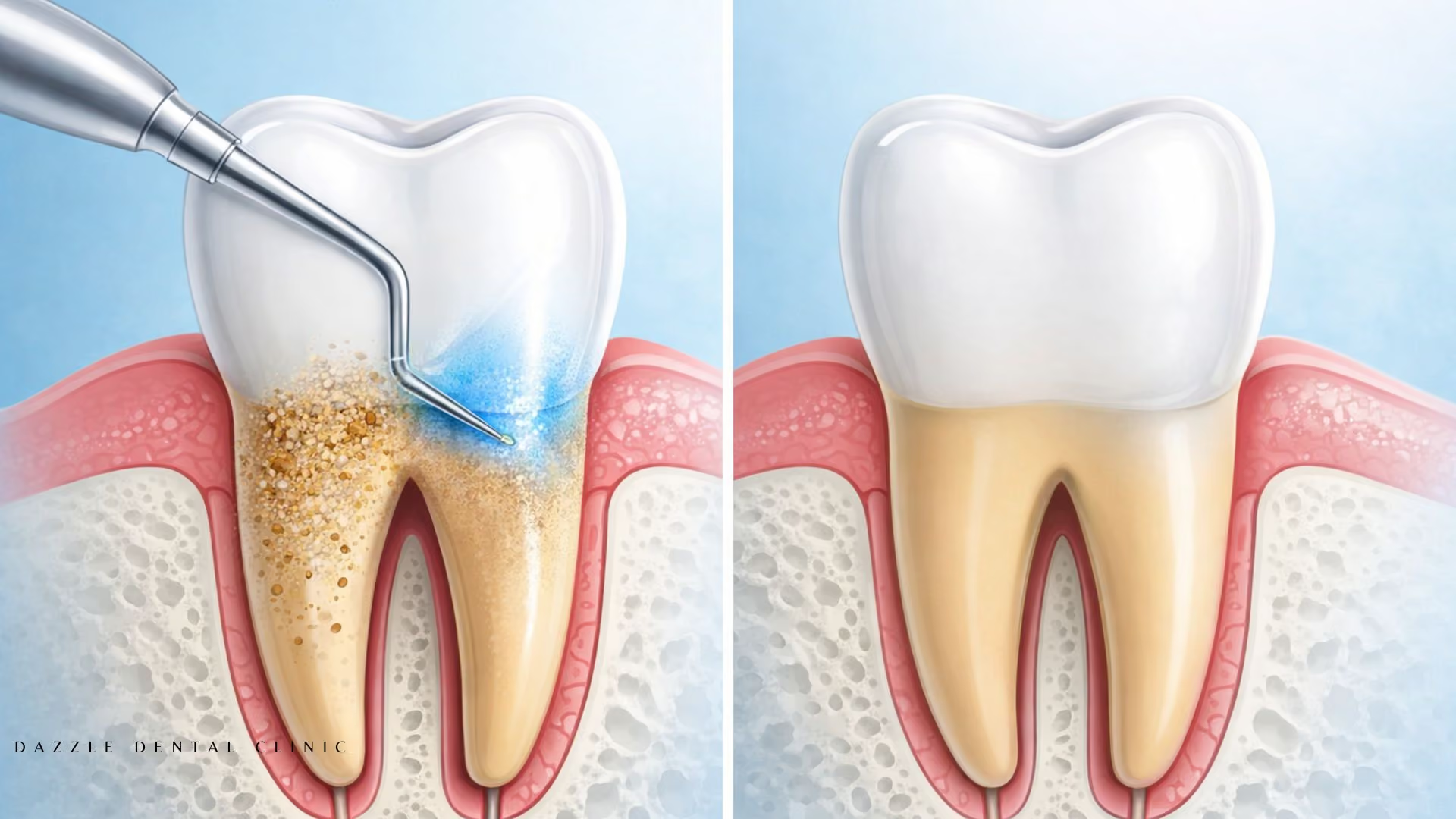
Gentle toothbrushing around the implant site begins from day three, using a soft brush and light pressure. Chlorhexidine rinse (0.12%) twice daily keeps bacterial load at the wound margin controlled during healing.
Weeks 2–4: Healing Continues
The implant site heals over and is clinically comfortable. The bone-to-implant bonding (osseointegration) continues below the surface, unseen and unfelt. A water flosser at low pressure can begin around the implant from week two, which is important for maintaining peri-implant hygiene during healing. Normal diet resumes by week two for most patients.
Months 1–3: Osseointegration
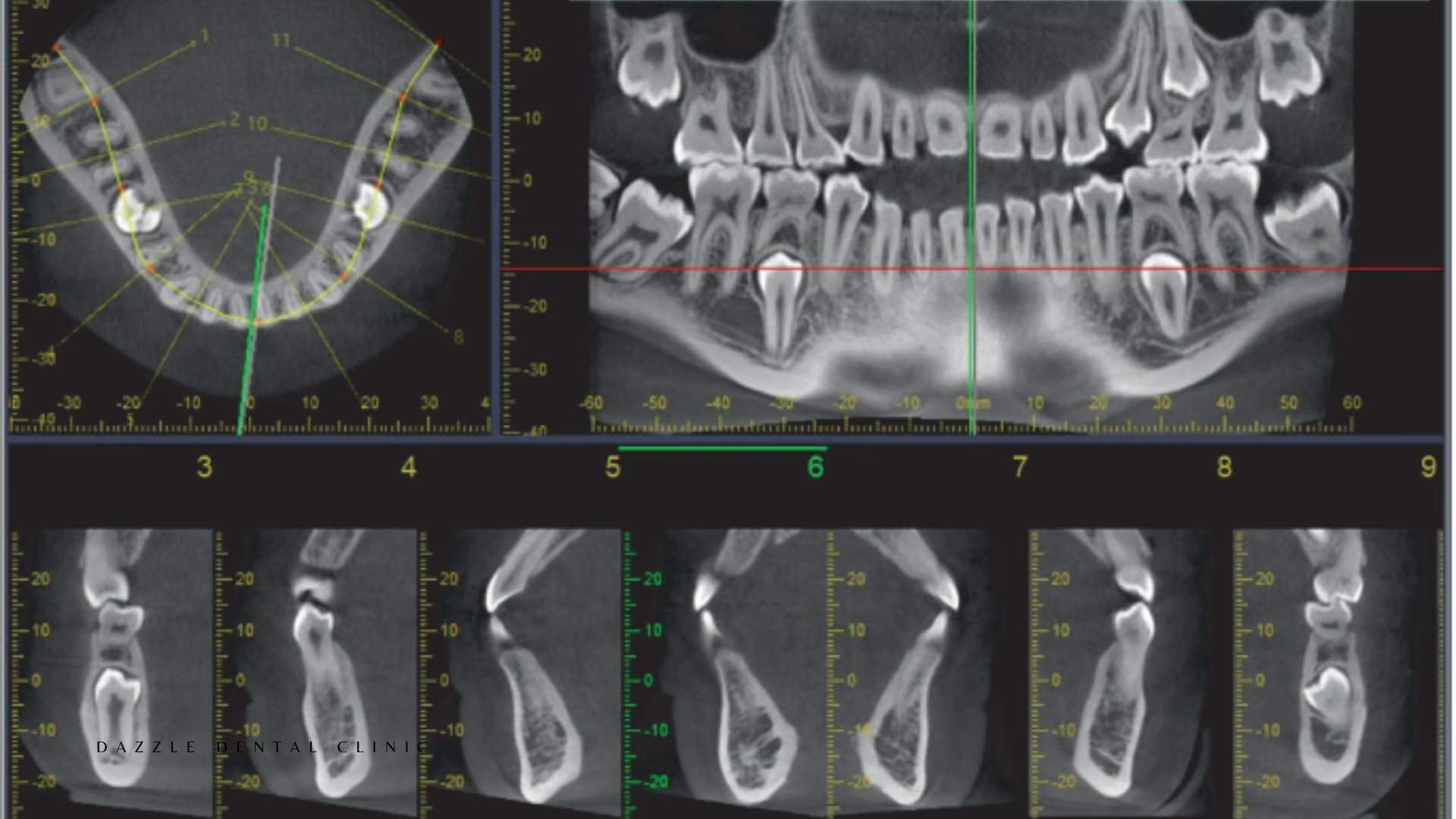
The implant is integrating with bone during this period. There are no symptoms. The patient goes about normal life. At the 3-month appointment, osseointegration is confirmed by resonance frequency analysis (ISQ measurement) and periapical X-ray. At Dazzle, this appointment is the gateway to the restorative phase, the crown appointment. For a routine dental check-up or maintenance during this period, our team is available. For the full post-operative protocol, see our detailed osseointegration guide.
The Crown Appointment
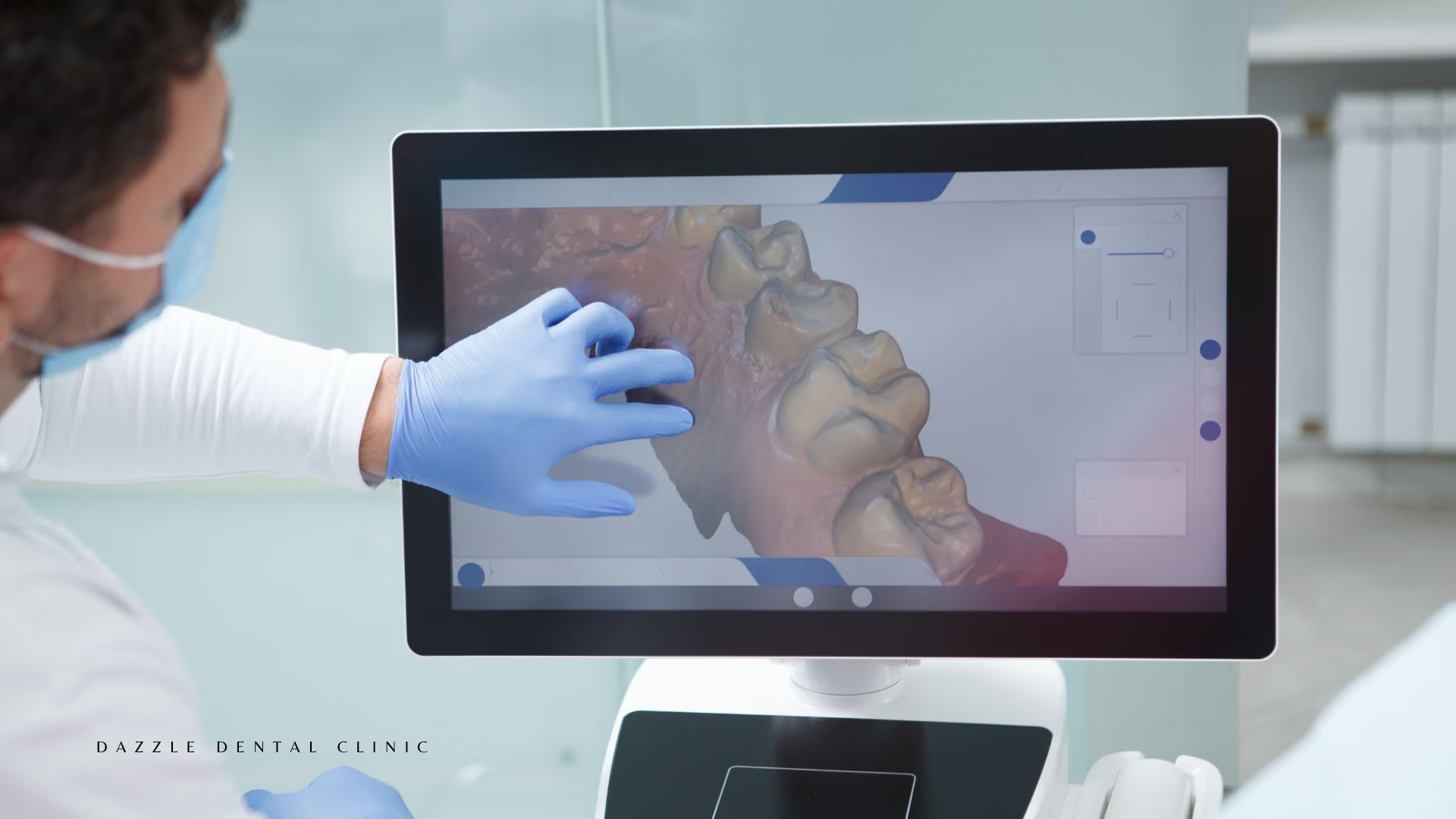
Once osseointegration is confirmed, an intraoral scan is taken, the crown is designed in the in-house laboratory, and the final implant crown is delivered. For posterior teeth, this is typically a monolithic zirconia crown. For anterior teeth, IPS e.max for maximum translucency. The crown is tried in, adjusted, then permanently cemented or screwed in. This appointment takes 45–60 minutes.
FAQs
Q1: Will I need to take time off work?
For most patients in non-physical work roles: 1–2 days off is adequate. Day of surgery and the following day. Physical work roles: 3–5 days is recommended to avoid the swelling and discomfort that physical exertion can increase.
Q2: Can I drive after implant surgery?
If local anaesthesia only (no sedation): yes, once the anaesthesia has worn off, typically 2 hours after surgery. If sedation was used: no driving on the day of surgery, and a responsible adult must accompany you home.
Q3: How will I look after surgery?
Mild cheek puffiness, potentially a small bruise by day two. Not dramatic. Most patients are comfortable in social situations by day three.
Q4: How do I clean around the implant during healing?
Saline rinses after meals from day one. Gentle toothbrushing from day three. A water flosser from approximately day seven to manage the area around the healing cap or temporary crown. Your specific hygiene instructions will be provided at discharge.

.avif)
