.webp)

Immediate loading — receiving a fixed prosthesis on the same day as implant surgery — is one of the most significant advances in implant dentistry over the past 20 years. It is also one of the most marketed. Understanding what makes it clinically appropriate (versus merely commercially convenient) helps patients evaluate whether they are genuine candidates and what the protocol at a responsible clinic actually looks like.
What Immediate Loading Means
Conventional implant loading waits for osseointegration to establish before attaching the prosthesis — typically 8–16 weeks, depending on bone quality and implant surface technology. This waiting period ensures the bone-implant interface has biologically stabilised before being subjected to occlusal forces.
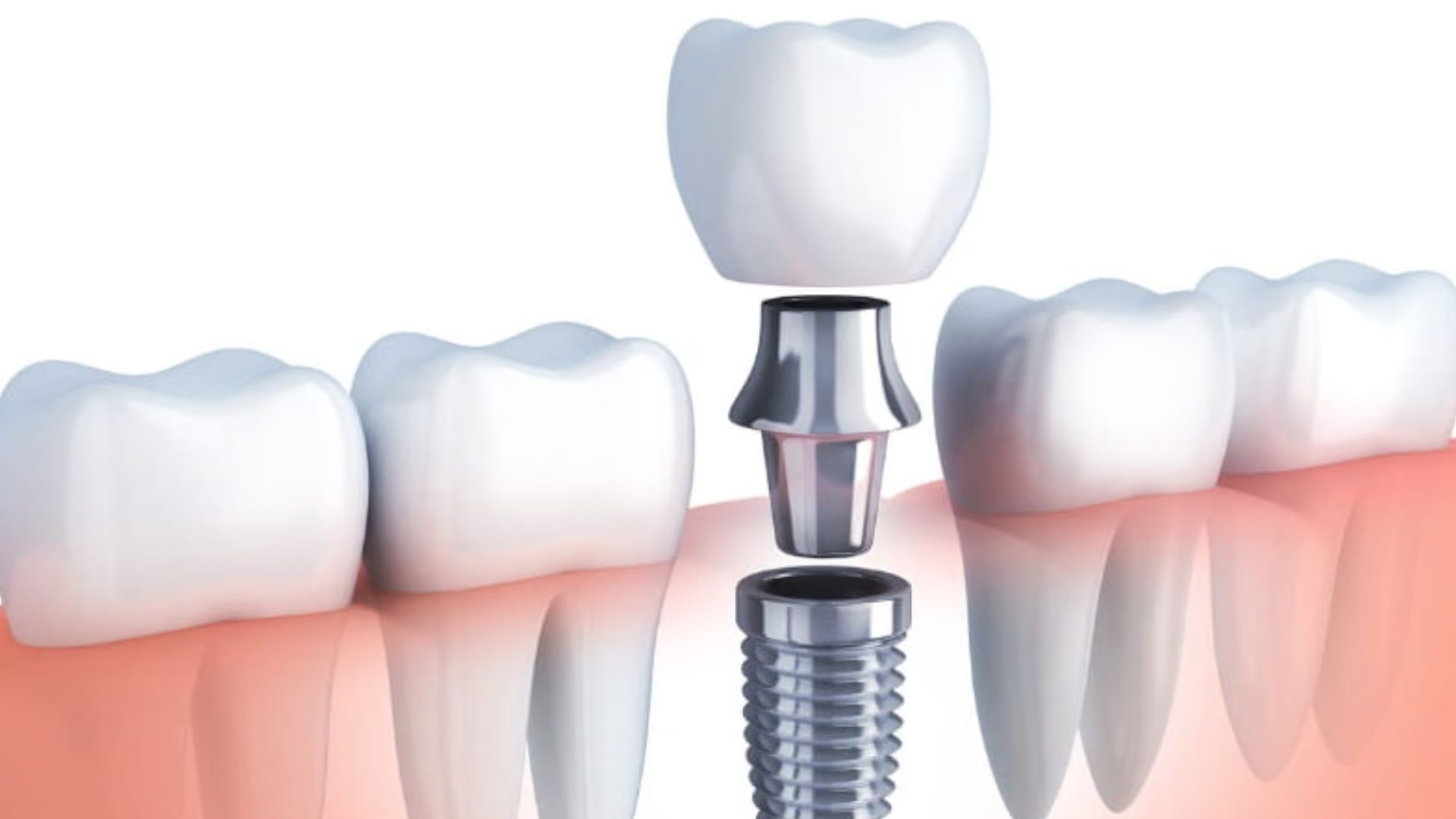
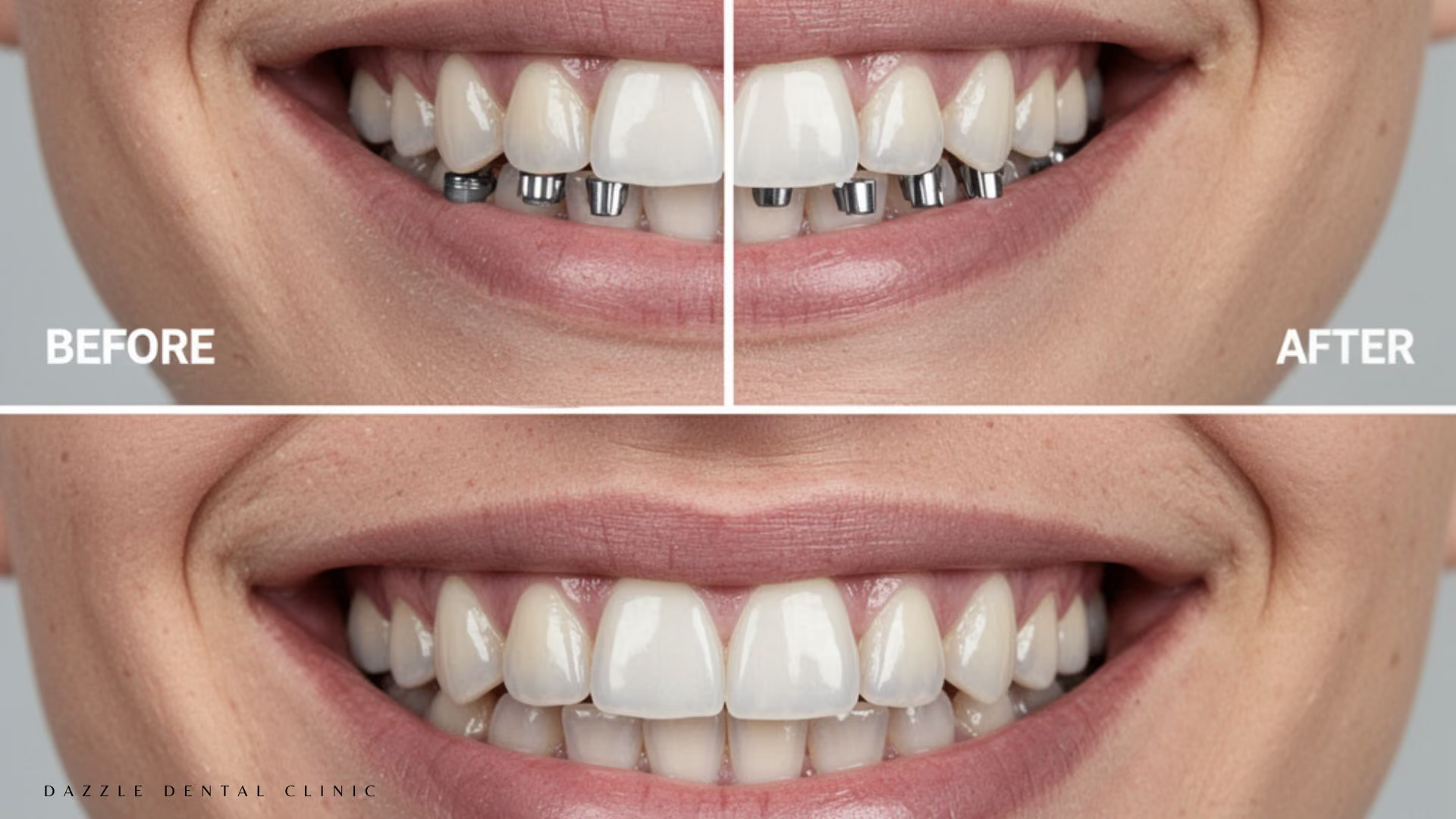
Immediate loading shortens this to the same day or within 72 hours of surgery. A temporary prosthesis — fixed to the implants — is delivered before osseointegration has occurred. The patient leaves the clinic with functional teeth and no removable denture phase.
This is clinically safe and predictable — when the conditions for it are met. Those conditions are specific and intraoperatively confirmed, not assumed.
The Prerequisite: Primary Stability Thresholds
Immediate loading is appropriate when the implants achieve adequate mechanical engagement with the bone at the time of placement. This is measured in two ways:
Insertion torque: The rotational force at final seating. The threshold for immediate loading is generally ≥35 Ncm. Below this, micromotion under load during the healing phase disrupts osseointegration — fibrous tissue forms around the implant rather than bone, and the implant fails.
ISQ (Implant Stability Quotient): Measured via resonance frequency analysis. Values above 60–65 indicate stability adequate for immediate loading consideration.
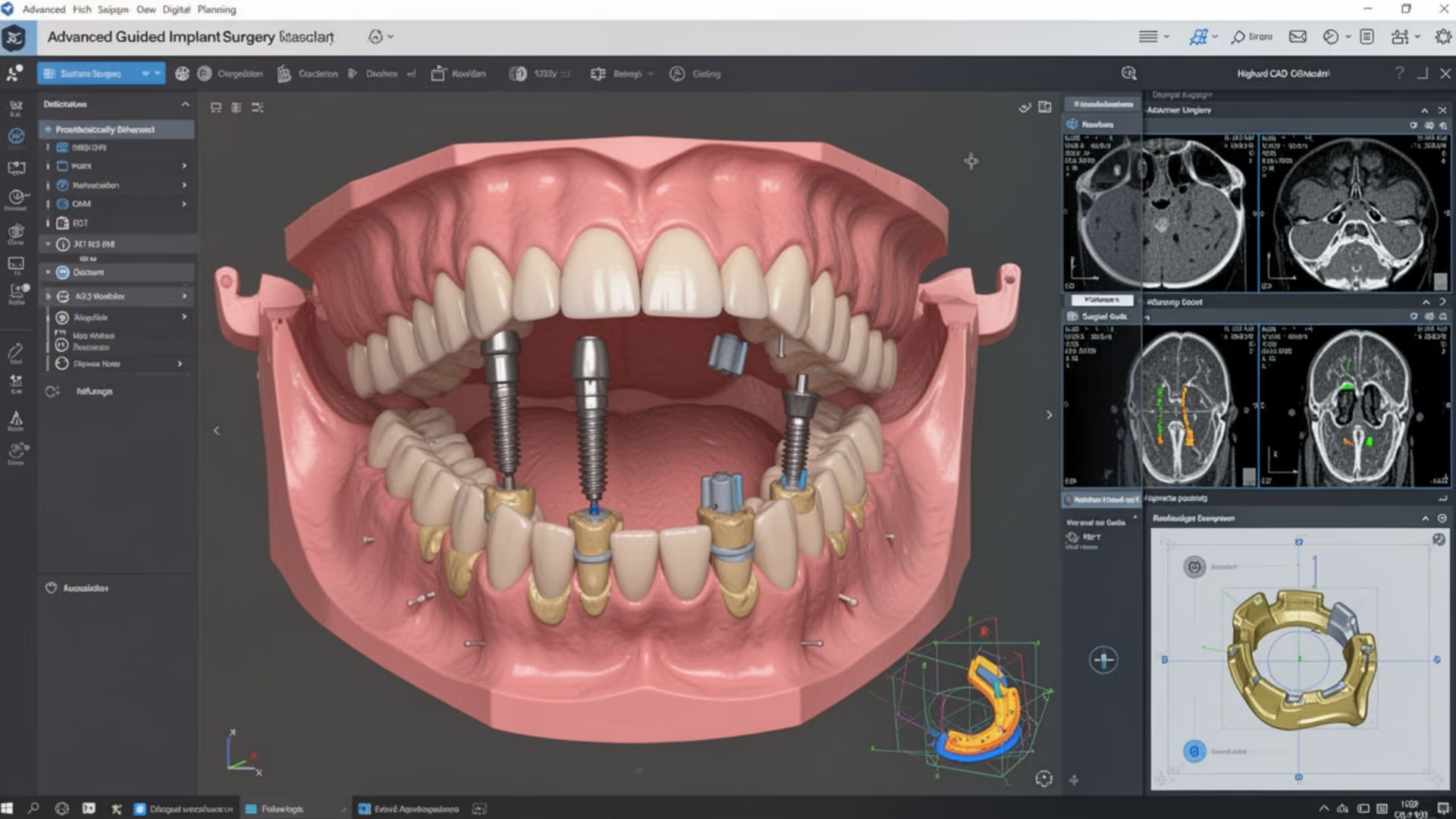
At Dazzle Dental Clinic, these measurements are taken intraoperatively for every implant. The decision to proceed with immediate loading is confirmed by actual measured values, not by pre-surgical assumption. If measured values fall below threshold on the day of surgery, the loading protocol is modified to protect osseointegration. This is disclosed to patients before surgery as a possibility: the plan anticipates immediate loading where anatomy supports it, but the final decision is made in the operatory based on what the bone actually provides.
Who Qualifies for Immediate Loading
Bone quality is the primary determinant. Patients with dense Type I or II bone in the anterior mandible are almost universally suitable. Patients with posterior maxillary bone that is frequently Type III–IV require specific implant systems (Nobel Active, MegaGen AnyRidge) that condense bone during insertion to compensate for lower inherent density.
Medical factors that impair healing increase failure risk with immediate loading. Uncontrolled diabetes, active smoking, and conditions affecting bone metabolism require individual assessment — immediate loading is not automatically contraindicated, but the risk-benefit calculation changes. Patients with these factors receive a more conservative primary stability threshold requirement before immediate loading proceeds.
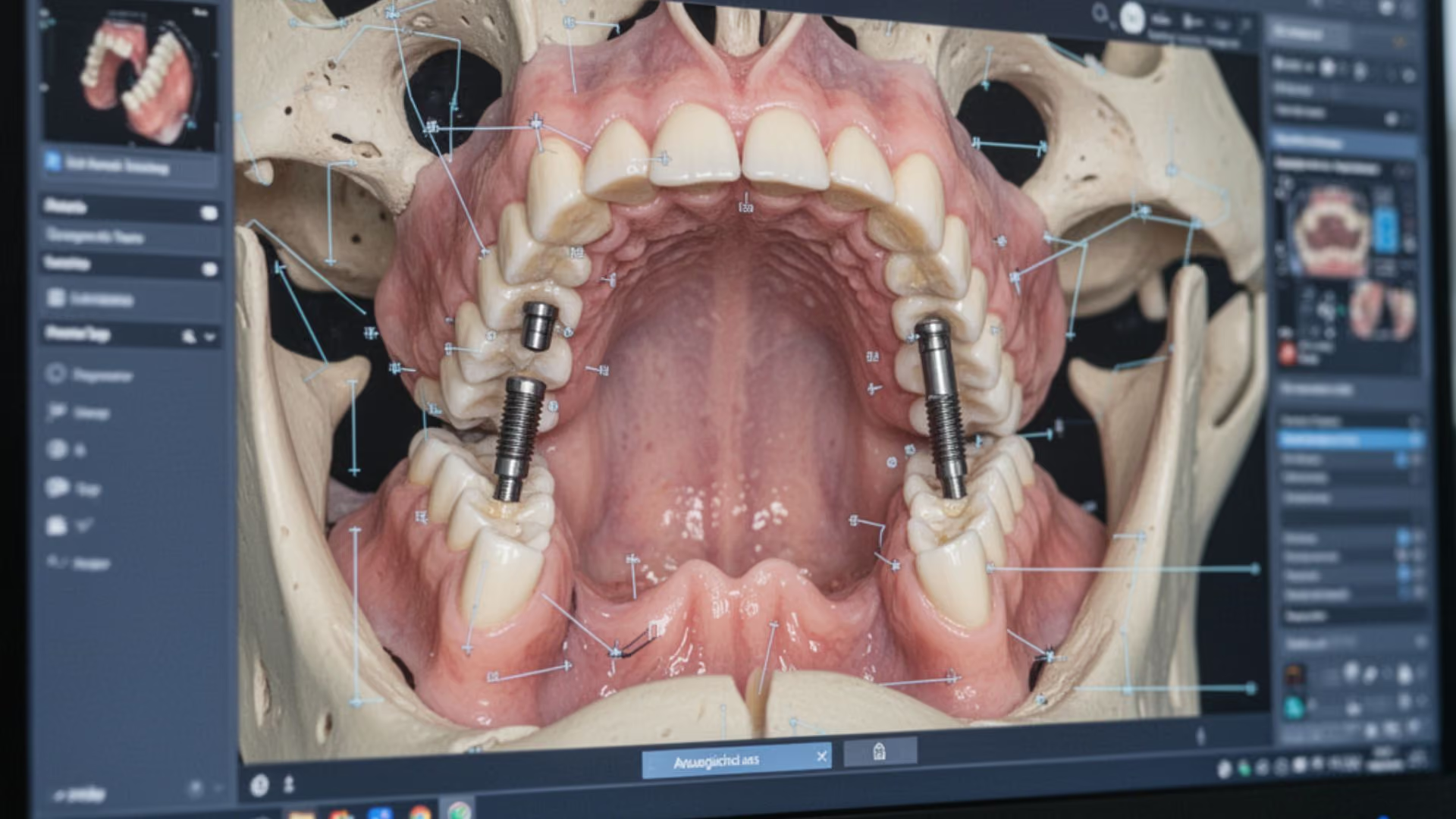
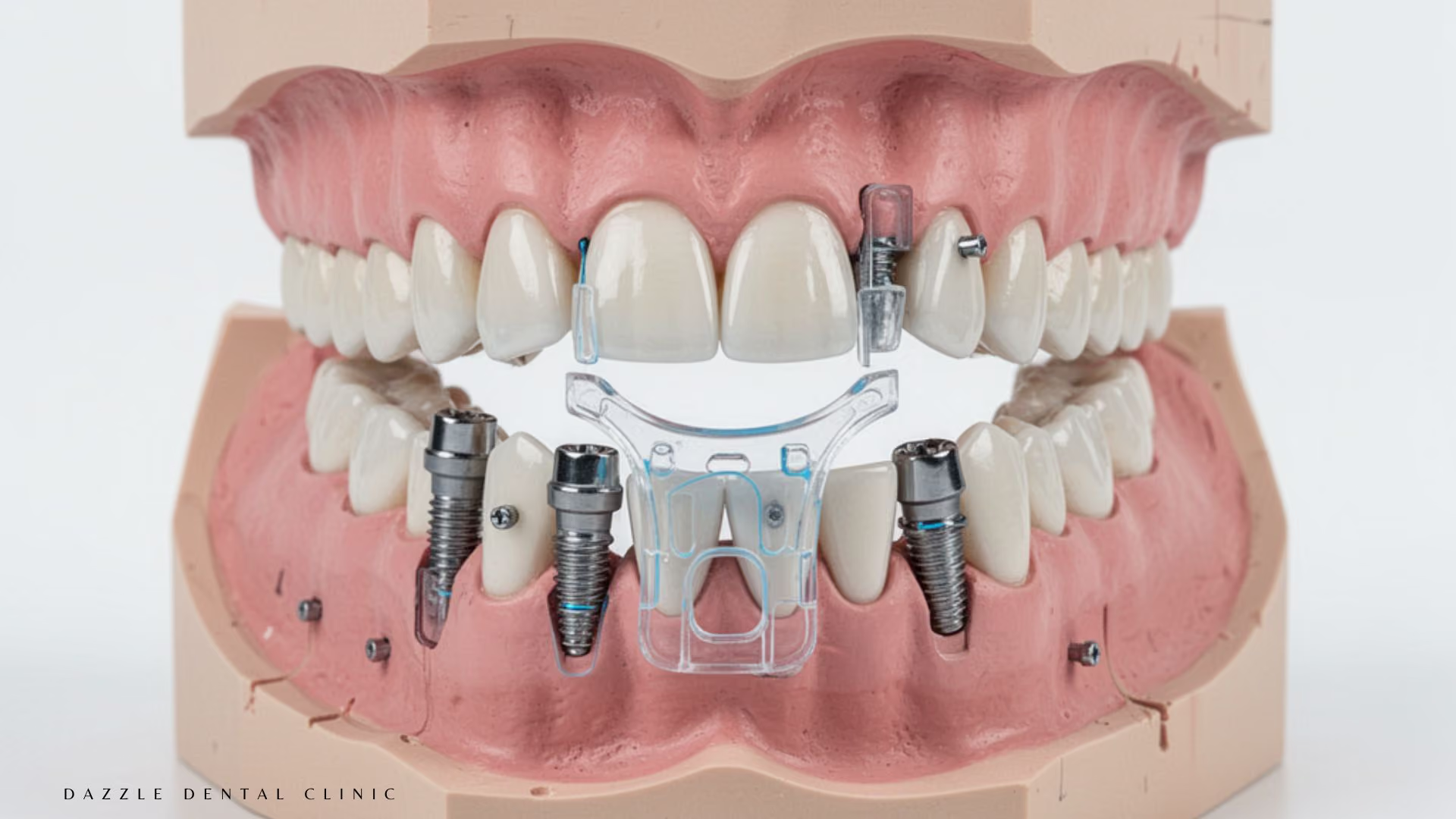
For All-on-4 full-arch cases, the arch-wide prosthesis distributes load across all four implants simultaneously, which reduces the load on any single implant. This splinting effect makes full-arch immediate loading more forgiving than single-implant immediate loading in the same bone quality, which is why same-day teeth are more consistently achievable for All-on-4 than for individual implants.
What the Immediate Loading Prosthesis Involves
The same-day prosthesis is a provisional — not the final restoration. It is designed specifically for the healing period: softer materials, reduced cusp angles, no cantilevered forces beyond the implants. The prosthesis is also designed to provide cross-arch rigidity, which stabilises the implants against micromovement during healing.
Patients on an immediate loading protocol eat a soft diet for 6–8 weeks. This is not because the prosthesis is fragile but because reducing bite forces during the critical osseointegration period protects the bone-implant interface. The final zirconia or acrylic prosthesis — with full aesthetic refinement and final bite calibration — is delivered at 3–6 months once osseointegration is radiographically confirmed.
Immediate Loading vs. Immediate Placement
These terms are sometimes confused. Immediate loading means attaching a prosthesis immediately after implant placement. Immediate placement means placing an implant immediately into a fresh extraction socket rather than waiting for socket healing. The two can be combined (immediate placement + immediate loading) or performed independently. Each has its own indications, requirements, and limitations, which are discussed separately in our articles on surgical technique and primary stability.
FAQs
Q1: Are same-day teeth as good as waiting for full osseointegration?
The final outcomes — implant survival rates, long-term bone stability, prosthesis longevity — are comparable in published studies when immediate loading is performed appropriately with confirmed primary stability. The concern is not with long-term outcomes for qualified patients; it is with applying immediate loading to patients whose bone quality doesn’t meet the stability threshold, which is why intraoperative confirmation matters.
Q2: Can I eat normally with same-day implant teeth?
A soft diet is required for 6–8 weeks. The provisional teeth allow eating and speaking normally — but chewing hard or sticky foods during the healing period risks micromovement at the bone-implant interface. Full dietary freedom is restored with the final prosthesis after osseointegration is confirmed.
Q3: What happens if my implants don’t qualify for immediate loading on the day?
We communicate this before surgery as a possibility. If intraoperative torque or ISQ values fall below the loading threshold, a healing cap is placed and the provisional prosthesis is delivered at 8–12 weeks when osseointegration is established. The final result is identical; the timeline is longer.
Q4: Is immediate loading available for single implants as well as full arches?
Yes, but the qualification criteria for single-implant immediate loading are stricter. Without the cross-arch load distribution effect of a full-arch bridge, each individual immediately-loaded single implant must independently provide adequate primary stability. This is achievable in high-quality bone but requires more conservative assessment in softer sites.