.webp)

Two implants placed in the same patient, using the same brand, can produce very different outcomes. The difference is surgical execution. Implant placement is a technique-sensitive procedure where the decisions made in the operatory — drill speed, final torque, implant angulation, flap management, bone cooling — directly affect osseointegration quality and long-term stability. This article covers what surgical precision means in implant placement, and why it matters more than brand or material for the result.
Pre-Surgical Planning as the Foundation for Precision
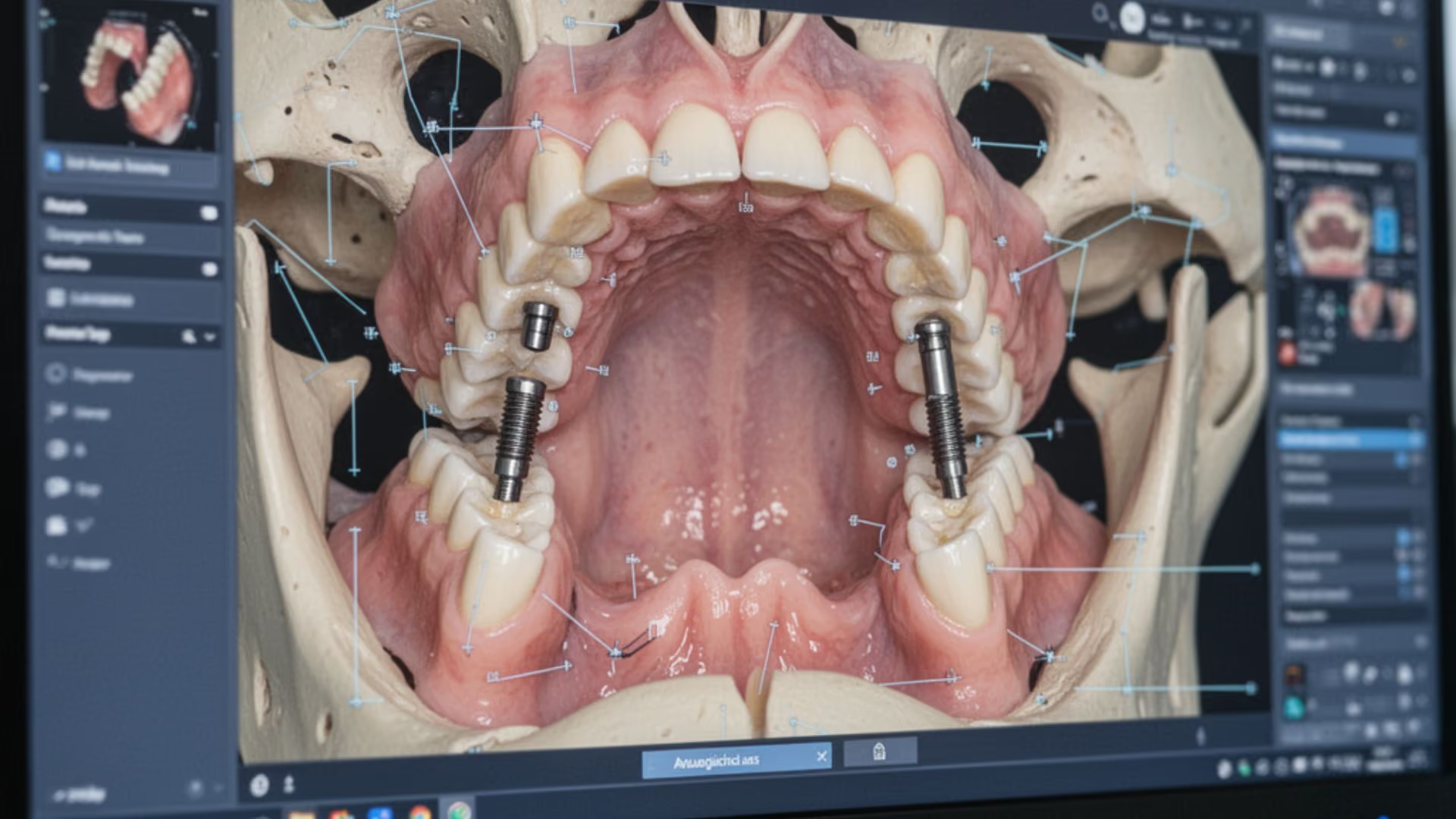
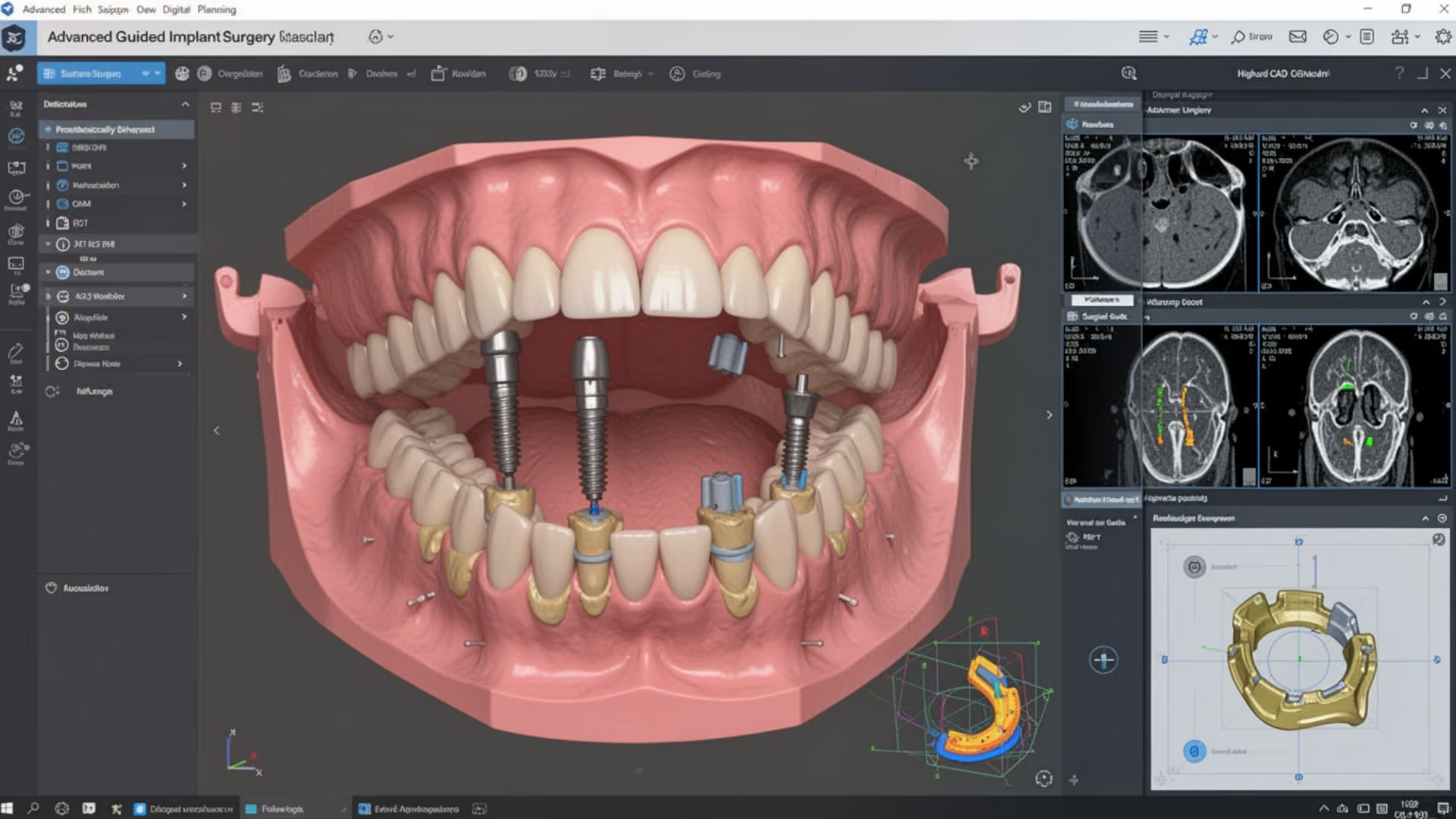
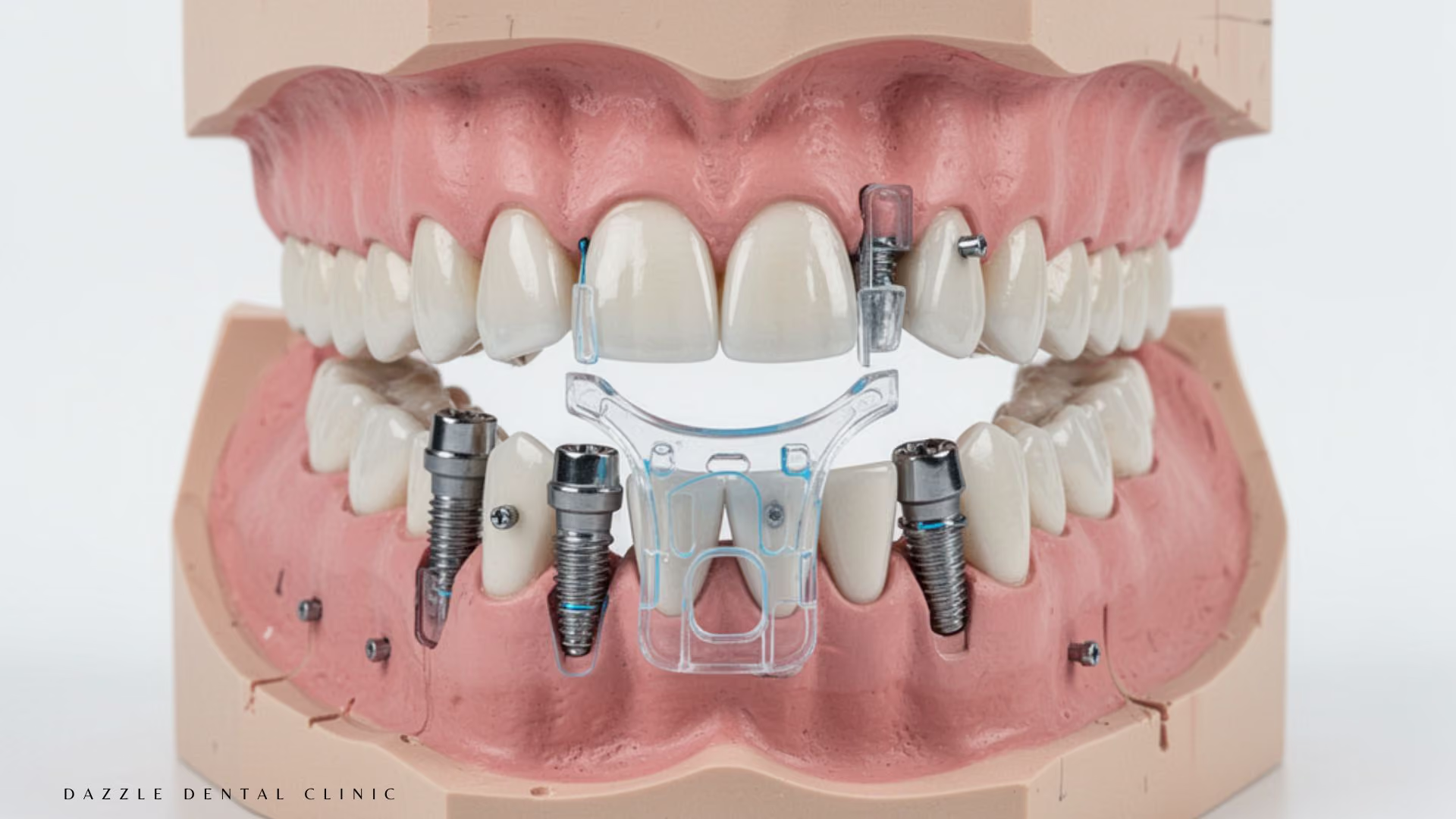
Precision in surgery begins before the first incision. At Dazzle, every implant case is planned from CBCT data with virtual placement of the implant in the ideal position: bone engagement maximised, prosthetic position correct, safe distances from the inferior alveolar nerve and sinus maintained. For All-on-4 and complex multi-implant cases, a 3D-printed surgical guide translates the virtual plan into a physical constraint during surgery. The guide limits drill deviation to under 1mm at the apex and under 2° of angle — both of which are clinically significant in complex cases where posterior implant positions must achieve specific AP spread and emergence angles. For single implants, the guide ensures the implant axis supports the planned crown position rather than requiring the crown to be designed around a suboptimal axis.
Drilling Protocol: Why Speed and Cooling Matter
Bone necrosis from frictional heat during drilling is a recognised cause of implant failure. The osteotomy is prepared with controlled drilling speed (typically 1500–2000 rpm for cortical drilling), copious sterile saline irrigation, and sequential drill sizes that allow bone to be cut gradually rather than removed in a single aggressive pass. Piezoelectric instruments are used for specific sites where bone density variation makes rotary drilling less predictable — the upper molar region in particular.
Insertion Torque: The Intraoperative Stability Check
Every implant placed at Dazzle is torqued to final position with a calibrated torque-controlled handpiece that records insertion torque. The threshold for same-day loading is 35 Ncm. Below this, the loading protocol is modified. The torque measurement is documented for each implant, not estimated. This measurement drives the clinical decision that most significantly affects whether the patient receives same-day provisional teeth. For the full single-day implant protocol and how this threshold applies, see our dedicated page.
Flap Management and Tissue Preservation
The periosteum — the vascular membrane covering the outer bone surface — is the primary blood supply to the crestal bone post-surgery. Extensive flap elevation compromises periosteal blood supply and produces greater crestal bone remodelling in the first 3–6 months. Where anatomy permits flapless placement (confirmed on CBCT), periosteal preservation produces better crestal bone stability. For cases requiring flap access, the flap design is minimally invasive: papilla-sparing incisions, limited elevation only to the extent required for direct visualisation of the surgical site.
Why Clinical Judgement Is Irreplaceable
Guided surgery and virtual planning are tools, not replacements for clinical judgement. Bone quality varies from the CBCT prediction; anatomy deviates from the virtual model; soft tissue resistance differs between patients. The surgeon must recognise when to deviate from the plan, when to switch implant systems intraoperatively, and when to convert from immediate to staged loading. At Dazzle, the guide is the starting point; the surgeon's intraoperative assessment is the final arbiter. See our guided surgery precision guide for more on how planning and intraoperative execution interact.
FAQs
Q1: How does guided surgery change what the patient experiences?
The patient experiences a shorter operative time (no intraoperative repositioning), more confident implant placement with less exploratory drilling, and in guided flapless cases, no sutures and significantly reduced post-operative swelling. The guide itself is a transparent device that fits over the gum or remaining teeth — patients do not feel it differently from other dental appliances.
Q2: Does every implant at Dazzle use a surgical guide?
Guided surgery is used for all All-on-4 full-arch cases, all complex multi-implant cases, and anterior single implants where the aesthetic zone requires precise axis control. For posterior single implants in adequate bone with clear anatomy on CBCT, a full guide may not be clinically necessary; freehand placement guided by CBCT review is used in these cases.
Q3: What happens if the planned implant position isn't achievable intraoperatively?
The surgeon pivots — to an alternative implant size, a different angulation within anatomical safety margins, or a different site entirely if needed. If the revision compromises the prosthetic plan, the provisional bridge is adjusted or remanufactured. Patients are informed before surgery that intraoperative deviations are possible and what the protocols are for managing them.
Q4: What should I tell my surgeon before implant placement?
Any change in medications (particularly blood thinners, bisphosphonates, or immunosuppressants), recent illness, or change in systemic health status since your initial consultation.