.webp)

Platelet-Rich Fibrin (PRF) is used at Dazzle Dental Clinic as a targeted adjunct to specific procedures where the clinical evidence supports meaningful benefit to healing. It is not offered as a routine add-on to every treatment. Understanding what it does — and what it doesn't do — helps patients engage more clearly with treatment recommendations that include it.
PRF is used in our implant surgery, bone grafting, and periodontal procedures — wherever the clinical evidence supports meaningful benefit to healing speed and tissue quality.
What PRF Is
PRF is a natural biomaterial prepared entirely from the patient's own blood. A small blood sample is drawn at the clinic immediately before the procedure and centrifuged for 10–15 minutes. This separates the blood into layers: the middle layer is a fibrin clot dense in platelets, leukocytes (white blood cells), and the growth factors these cells release during tissue repair. This clot — the PRF membrane or plug — is applied to the surgical site.
What PRF Does at the Biological Level
Platelets contain alpha granules that release growth factors (PDGF, TGF-β, VEGF, IGF) into the wound environment when they degranulate. These factors coordinate the early phases of tissue repair: attracting repair cells to the site (chemotaxis), stimulating cell proliferation, promoting vascular ingrowth (angiogenesis), and supporting collagen matrix formation. The fibrin scaffold also provides a physical matrix for cell migration and new tissue formation.
PRF delivers these factors in physiological ratios — no external additives or synthetic growth factors are involved. The fibrin is entirely from the patient's own blood, which eliminates immunological incompatibility.
Where PRF Is Used at Dazzle and Why
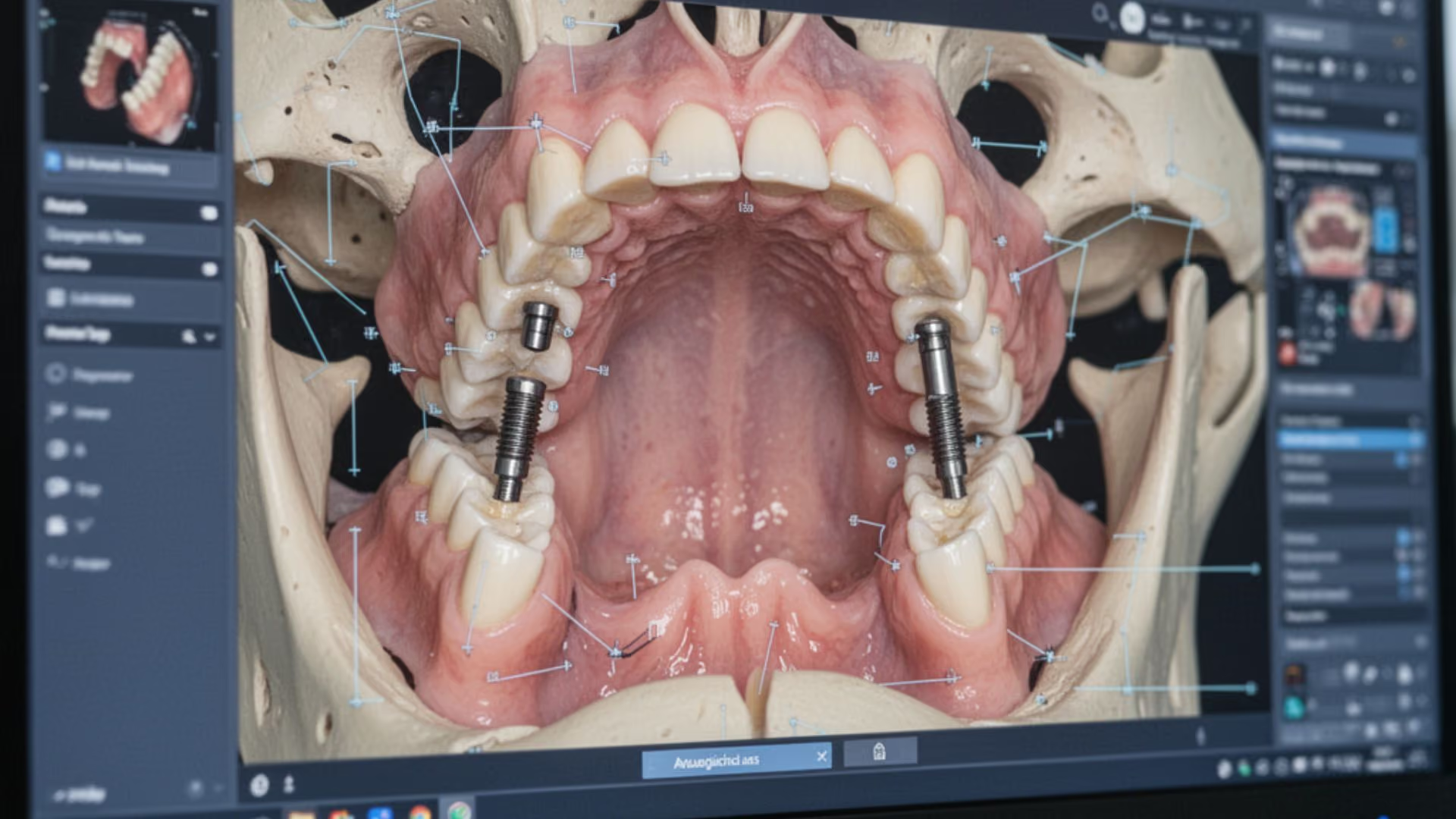
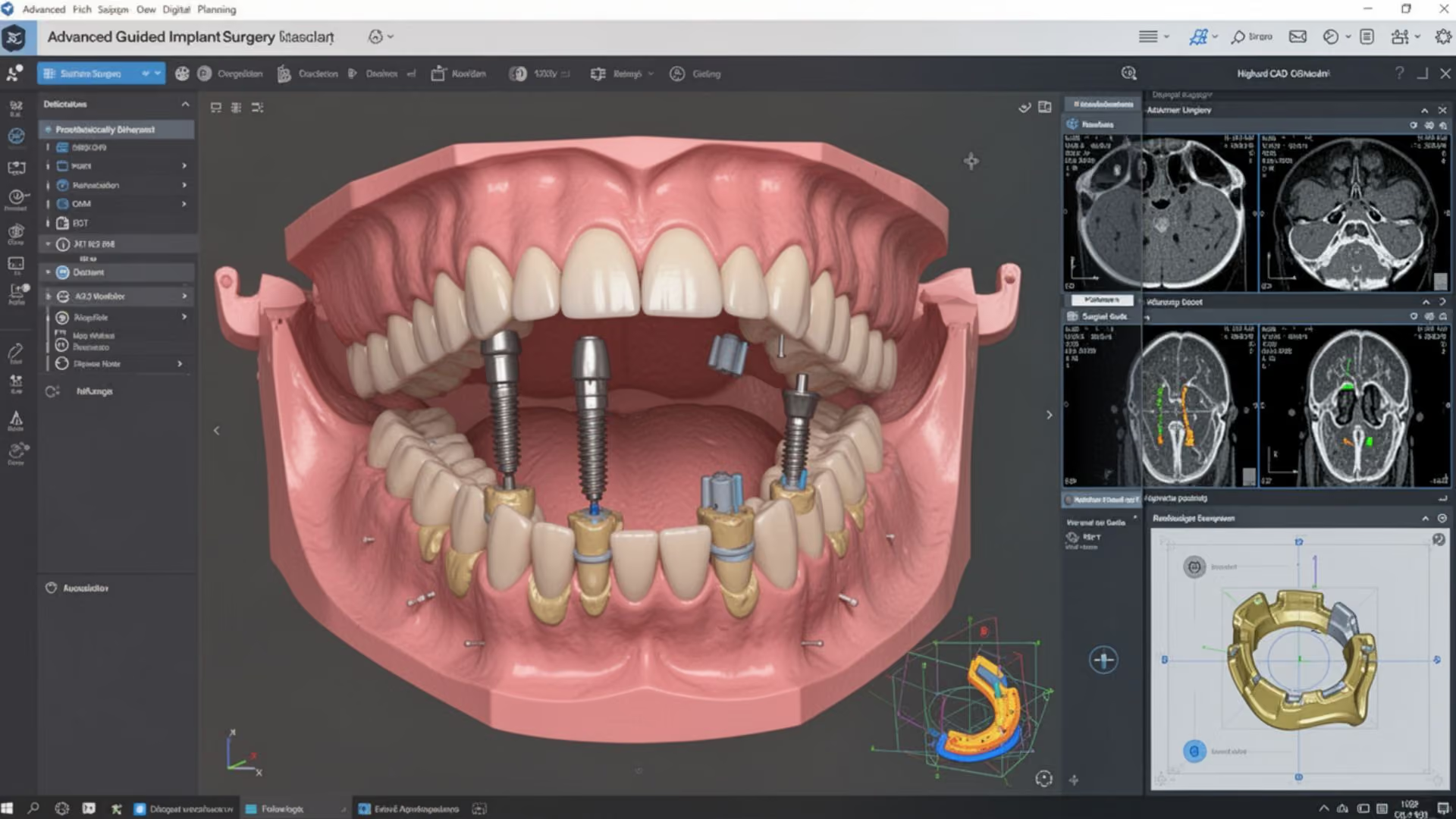
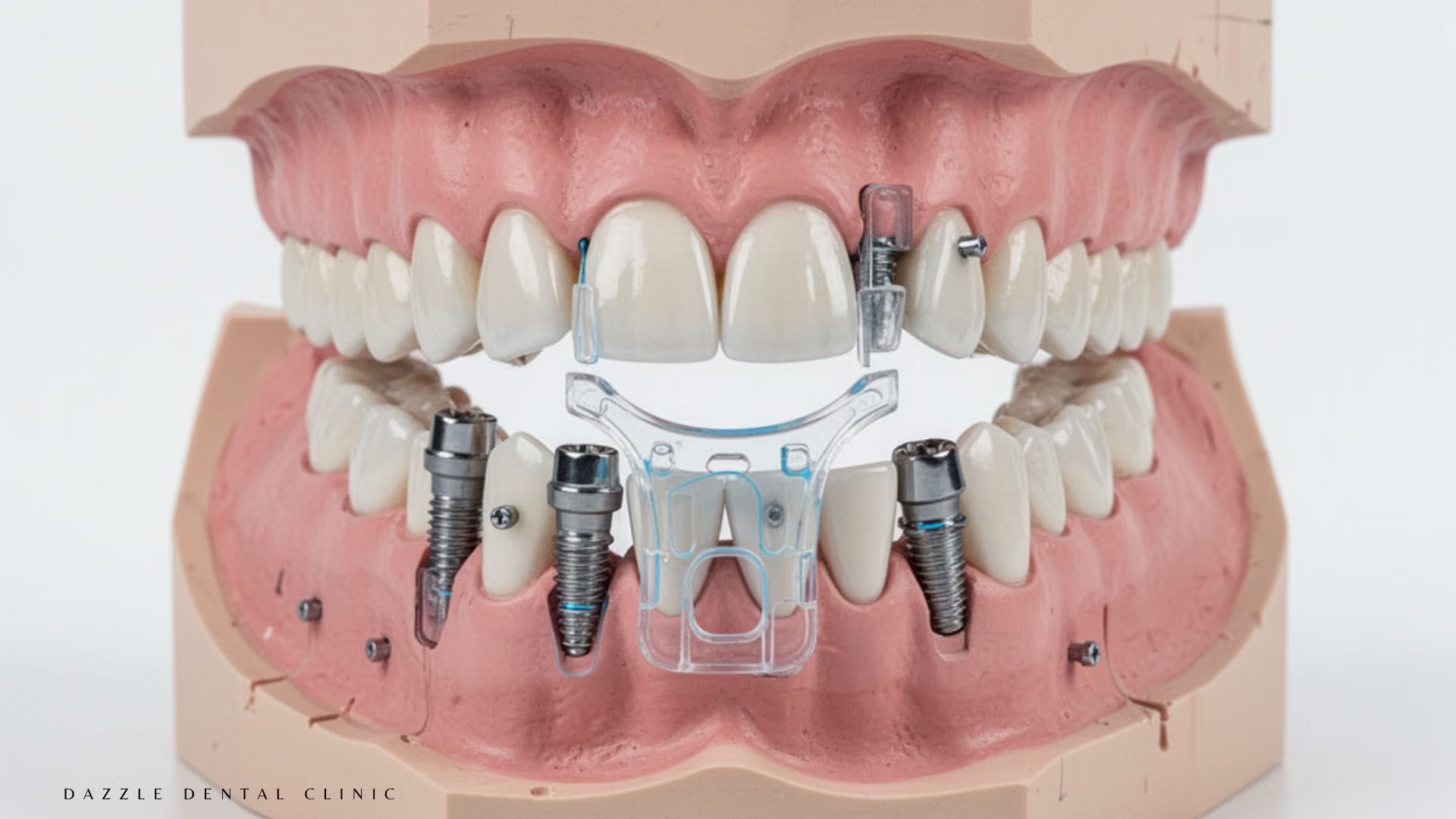
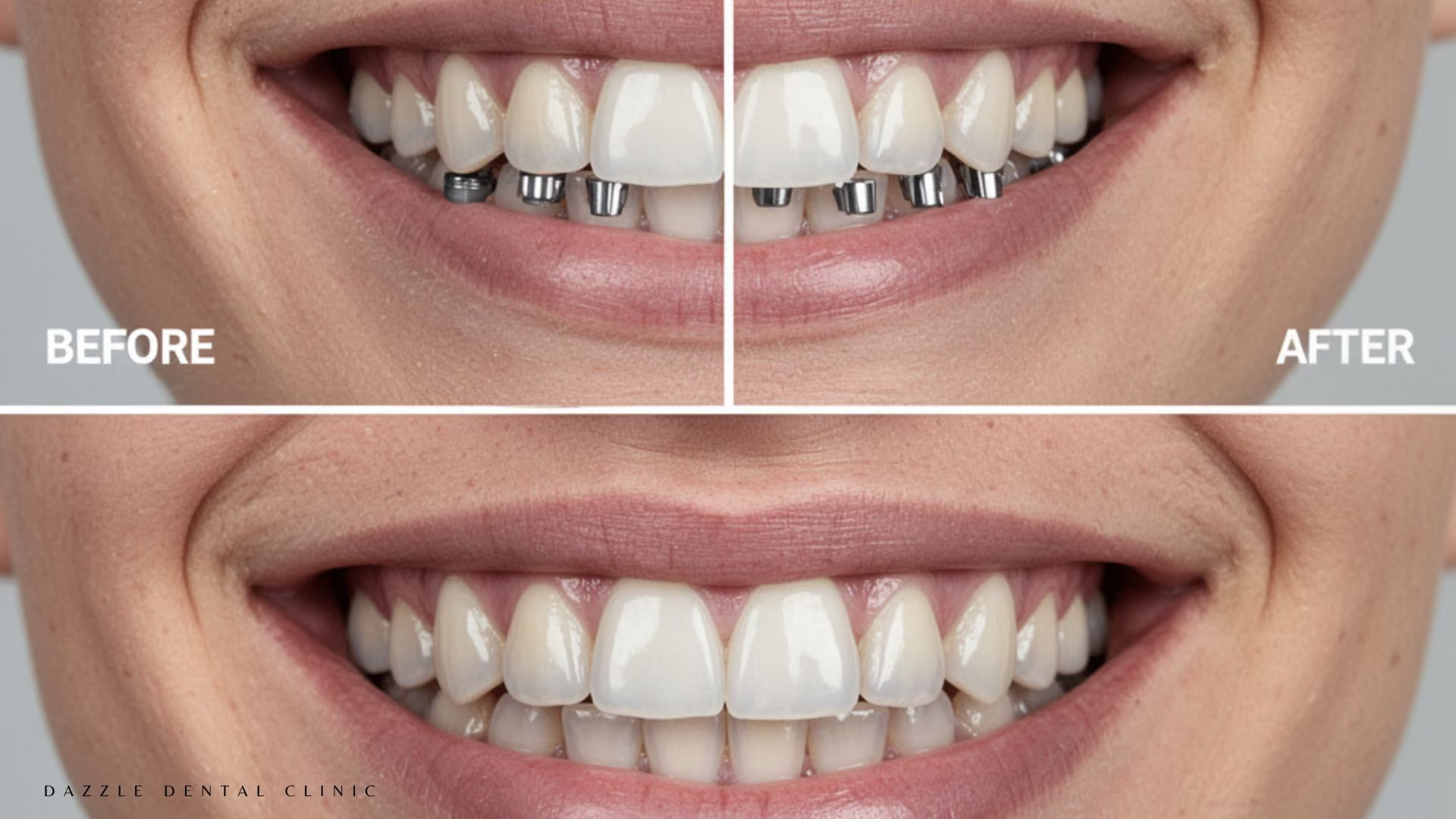
Implant placement (socket and peri-implant application): Applied to the implant socket and peri-implant space at placement. The primary effect is accelerated soft tissue healing and reduced inflammation in the early weeks post-surgery. See our osseointegration guide for how early healing biology determines long-term implant stability.
Bone grafting and sinus lifts: PRF combined with bone graft material provides growth factor support at the graft interface. Published data shows earlier graft consolidation and more predictable bone volume compared to graft alone in controlled comparisons. See our illustrated PRF guide for case examples.
Extraction sockets: PRF plug placed in the socket at the time of extraction. Reduces dry socket incidence, accelerates soft tissue closure, and may improve socket preservation outcomes by maintaining graft volume stability during early healing.
Periodontal regenerative surgery: Combined with bone graft in GTR procedures for intrabony periodontal defects. Provides growth factor supply to the regenerating defect beyond what the membrane structure alone provides.
What PRF Does Not Do
PRF accelerates biological processes; it does not replace them. Osseointegration still takes 8–12 weeks. Bone graft consolidation still requires 4–6 months. PRF reduces the time required and may improve the quality of the outcome, but it does not fundamentally change the healing timeline. Patients should not expect dramatically different recovery experiences; the benefit is primarily biological and expressed in healing quality rather than speed visible to the patient day-to-day.
FAQs
Q1: Is PRF safe?
Yes. Because PRF is derived entirely from the patient's own blood, with no additives or external biological materials, there are no allergy, rejection, or disease transmission risks associated with it.
Q2: Does PRF hurt?
The blood draw involves a venepuncture, similar to a routine blood test. Most patients find it straightforward. The PRF membrane applied at the surgical site does not cause any additional discomfort during or after the procedure.
Q3: Will I heal faster with PRF?
Measurably, in terms of tissue quality and in some cases measurable bone volume: yes. Subjectively, in terms of post-operative discomfort and swelling: a modest reduction. Most patients at Dazzle with PRF in implant or grafting cases report recovery that is somewhat less eventful than they anticipated, though individual variation is significant.
Q4: Does PRF cost extra?
At Dazzle, PRF preparation is included in implant surgery and bone grafting procedures where it is used — it is not an optional upsell charged separately for routine implant cases.
%20Integration.avif)