.webp)

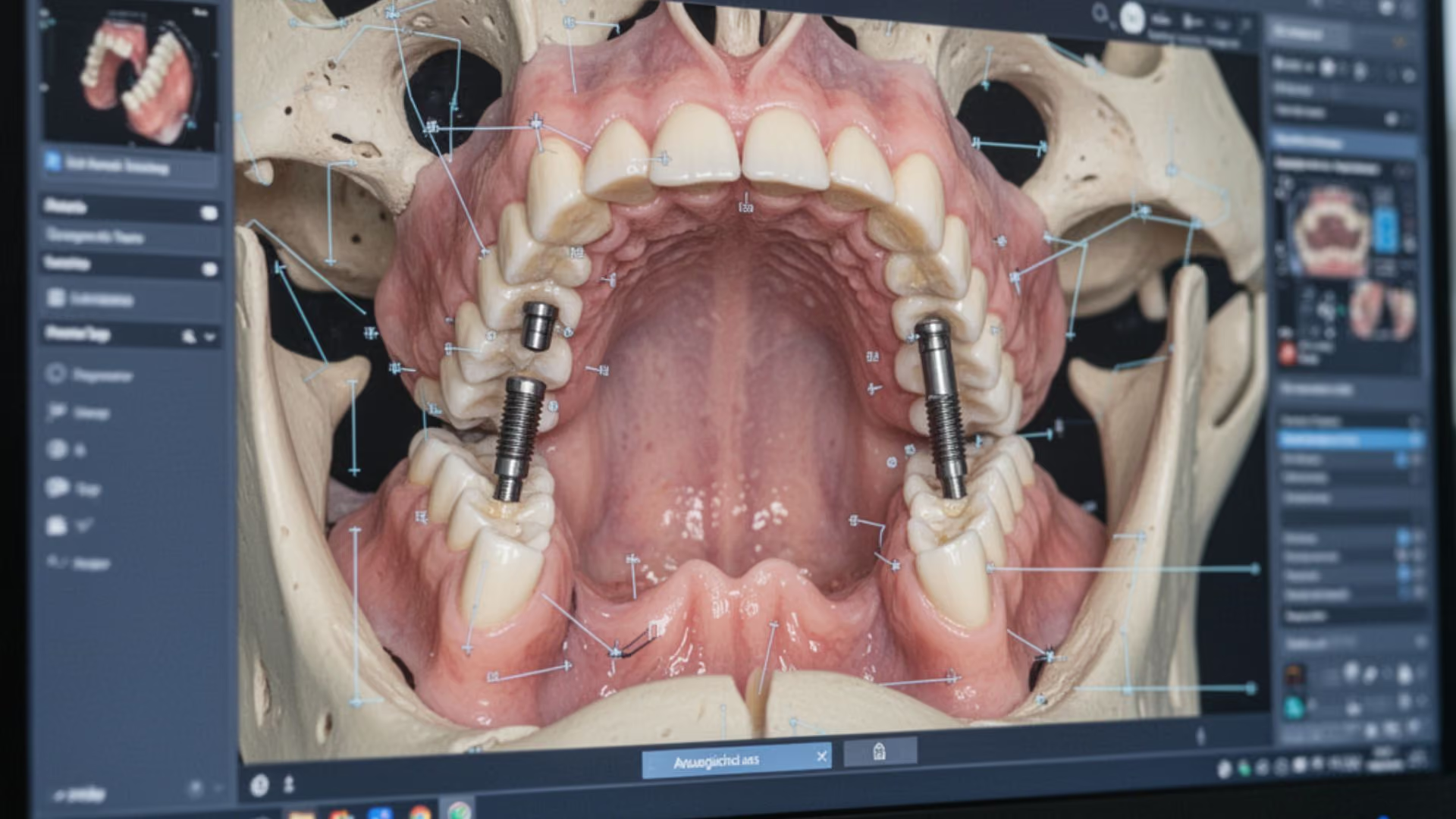
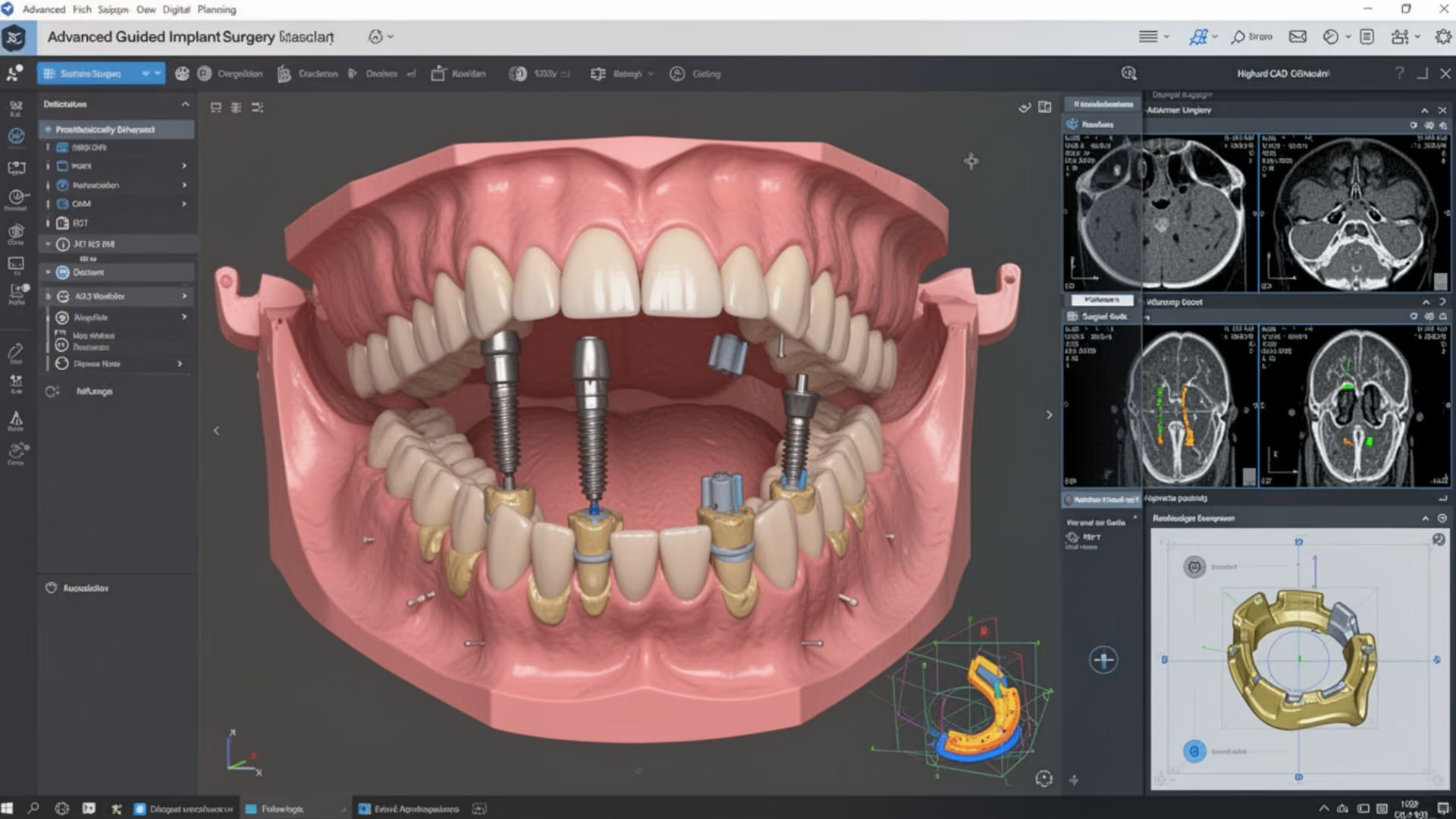
Active dental implants are distinguished from passive designs by two clinical features: a more aggressive thread geometry that generates higher insertion torque in bone, and a bioactive surface treatment that accelerates the biological osseointegration process. At Dazzle Dental Clinic, the term “active implant” most commonly refers to Nobel Biocare Nobel Active and MegaGen AnyRidge — both of which were designed specifically for immediate loading protocols in variable bone quality.
Thread Geometry: What It Does
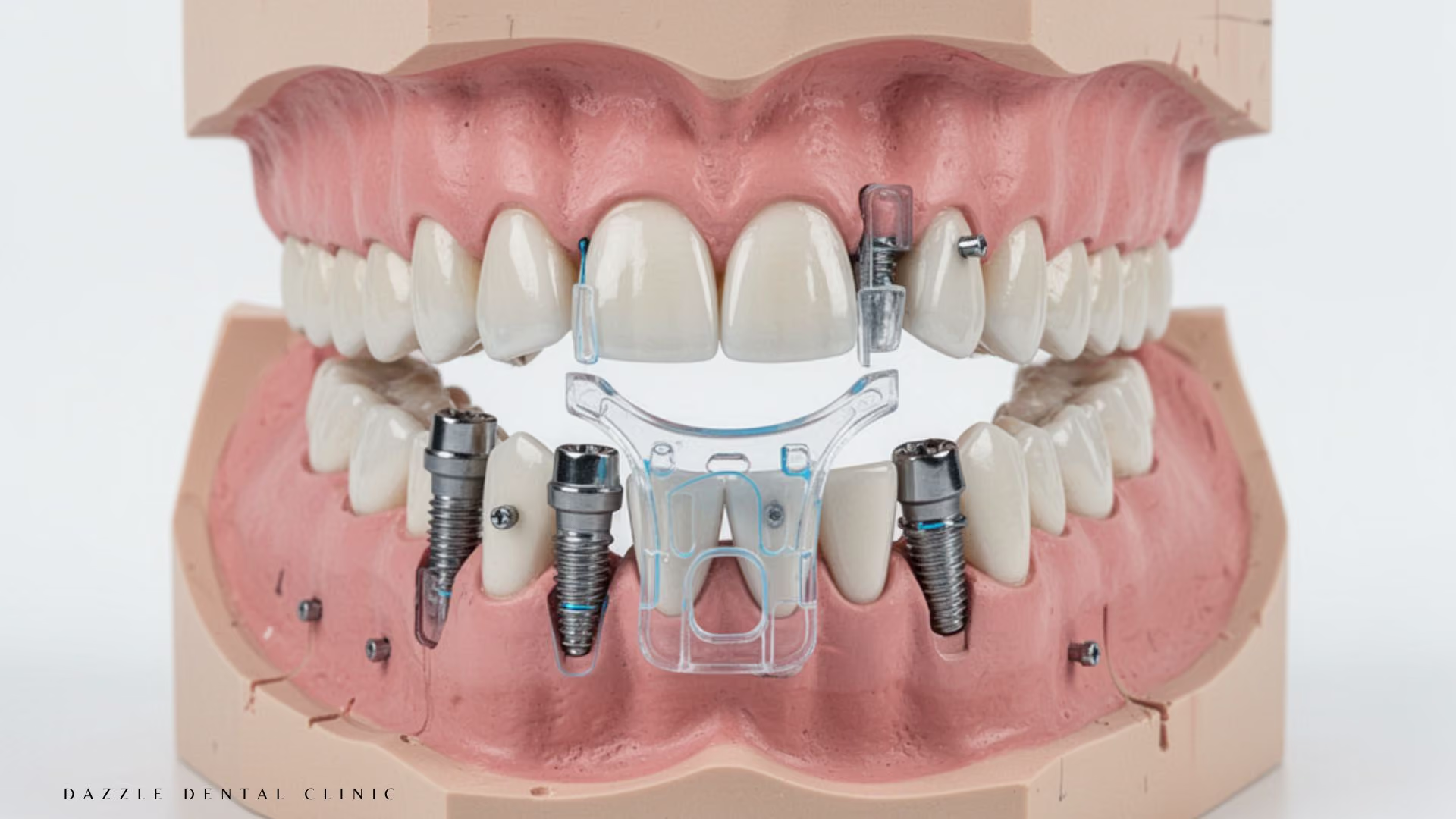
The thread of an active implant has greater depth and more aggressive pitch than a passive design. When the implant is driven into bone, these threads compress and engage a larger volume of bone per turn, generating higher resistance — measured as insertion torque in Newton-centimetres. Higher insertion torque at placement means higher primary stability, which is the prerequisite for immediate loading.
Nobel Active uses a progressive thread design where thread pitch and depth increase toward the apex. As the implant is seated deeper, the thread engagement becomes more aggressive, building torque progressively rather than all at once. This design achieves high primary stability in the soft posterior maxillary bone (Misch Type IV) where passive implants often fall below the 35 Ncm threshold required for immediate loading.
Surface Technology: What It Does
Surface treatment determines how rapidly bone cells adhere to and colonise the implant surface — a process called osseointegration. Active implant surfaces are typically:
Hydrophilic (SLActive – Straumann): The surface is kept wet and chemically active from manufacturing to placement. Hydrophilic surfaces attract blood and fibrin immediately on implant seating, accelerating the initial cellular response. Published data shows SLActive achieves functional osseointegration at 3–4 weeks compared to 6–8 weeks for machined or standard SLA surfaces.
Calcium-ion exchange surface (Xpeed – MegaGen): A calcium-enriched surface that creates a localised alkaline environment on implant seating, stimulating osteoblast activity. Similar goal to SLActive — accelerate early biological bonding.
TiUnite / TiUltra (Nobel Biocare): An oxidised titanium surface with a micro-to-nano topography that increases the effective surface area and creates a positively charged surface favourable for protein adsorption. Standard on Nobel Active implants.
Why This Matters for Immediate Loading
The combination of high mechanical primary stability (from thread design) and rapid biological integration (from surface treatment) allows the implant to function under provisional occlusal load from day one while the surrounding bone still consolidates. The thread holds the implant stable before the bone has grown in; the surface accelerates the bone growth so that biological stability catches up to mechanical stability within the critical first 4–6 weeks.
At Dazzle, Nobel Active and MegaGen AnyRidge are the primary systems for All-on-4 full-arch cases and for single implants where immediate loading is planned. For patients with good bone density and standard loading protocols, Straumann or Osstem implants are entirely appropriate. The CBCT determines which approach is indicated.
FAQs
Q1: Are active implants more expensive?
Nobel Active and MegaGen AnyRidge carry a slightly higher per-unit cost than passive or mid-range systems (approximately ₹45,000–65,000 vs ₹35,000–45,000 for Osstem). For patients requiring immediate loading in variable bone quality, this cost difference is clinically justified. For patients with good bone and standard loading timelines, a mid-range system is appropriate and does not require the active thread premium.
Q2: Do active implants integrate faster than passive ones?
The surface technology — particularly Straumann SLActive and MegaGen Xpeed — does accelerate the early biological response, shortening functional osseointegration from 8–12 weeks to 3–6 weeks in published studies. The thread design alone does not accelerate biological healing; it only improves mechanical stability at placement.
Q3: What is the failure rate of active implants?
In well-selected cases with adequate primary stability, Nobel Active and MegaGen AnyRidge show published survival rates of 95–98% at 5–10 years — comparable to other premium systems in equivalent bone conditions. Active thread design does not improve survival in good bone; it primarily helps in compromised bone where passive designs may fail to achieve loading threshold.
Q4: Will I notice any difference as a patient between active and passive implants?
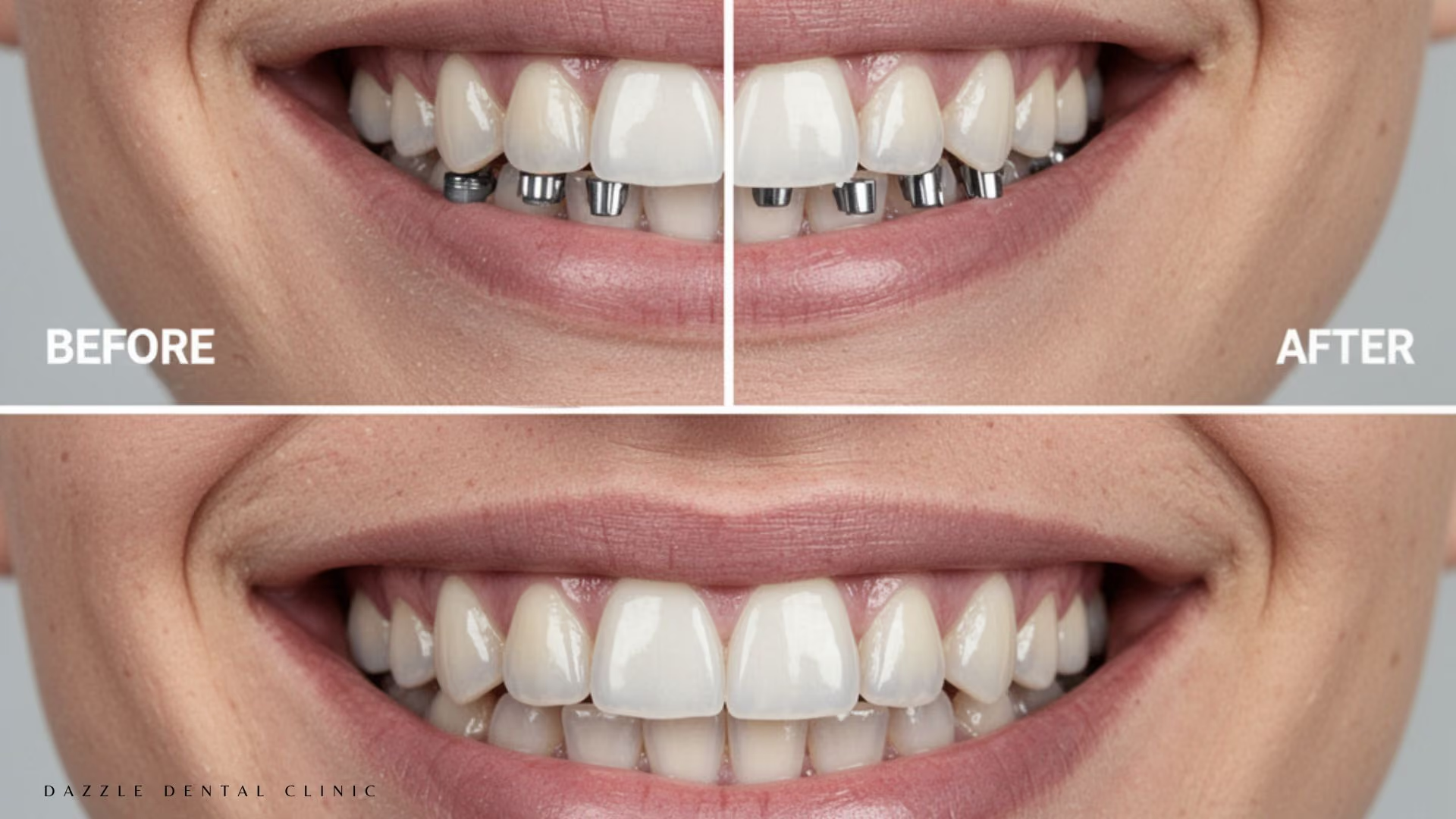
No. The difference is in the mechanical and biological behaviour at the implant-bone interface during healing — completely below the level of patient perception. What the patient experiences is the same: local anaesthesia for placement, soft diet during healing, and a fixed crown or bridge as the final result.