.webp)

Minimally invasive dental surgery is sometimes described as a philosophy, but in clinical terms it is a set of specific techniques and planning methods that reduce the amount of healthy tissue disrupted to achieve the surgical objective. In implant dentistry, periodontics, and oral surgery, this distinction matters because tissue disrupted during surgery — bone, gum, periosteum — must heal, and healing is what determines both the outcome and the recovery experience.
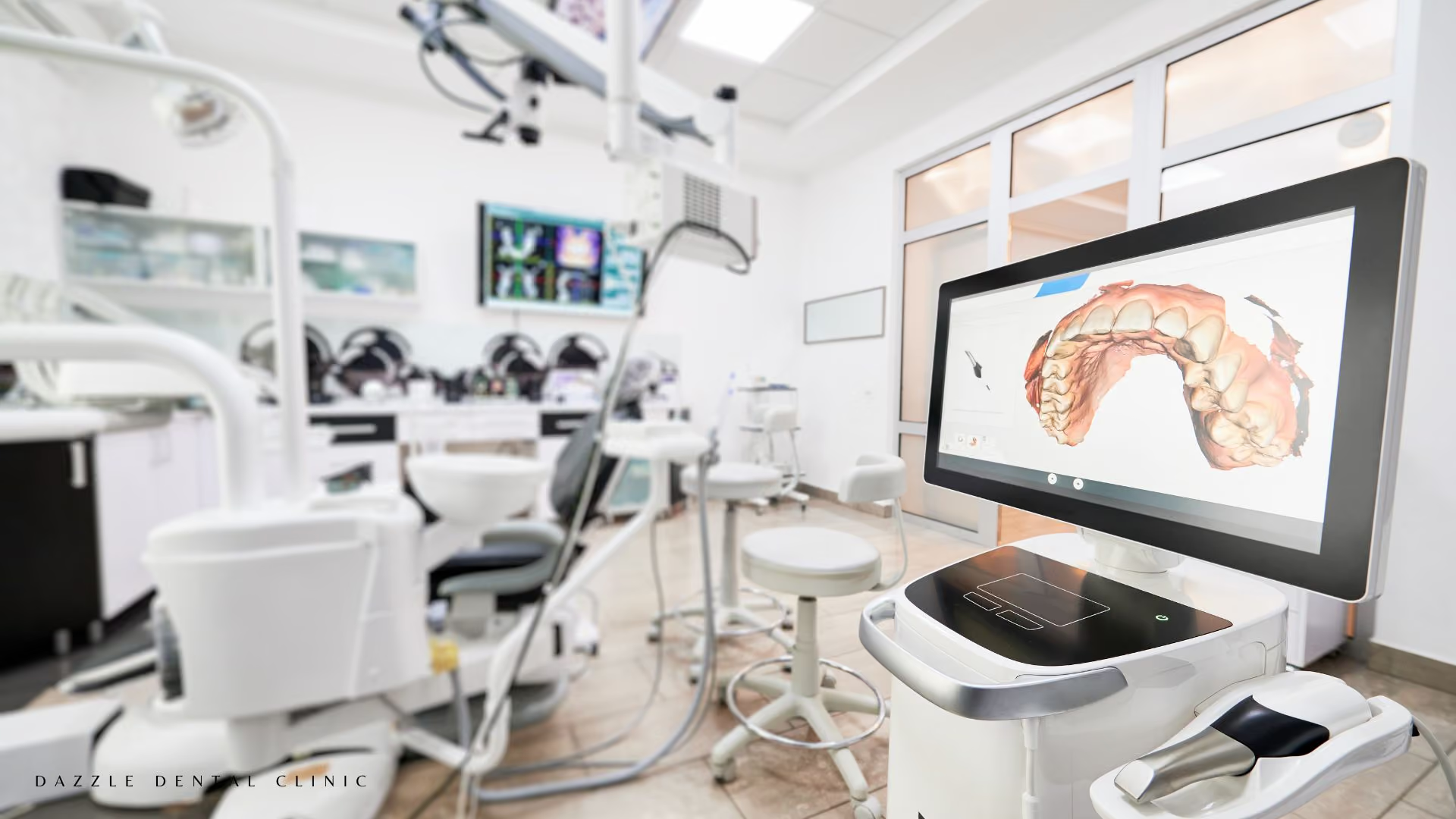
At Dazzle Dental Clinic, minimally invasive principles are applied across implant placement, gum surgery, bone grafting, and endodontic surgery. The enabling technologies are CBCT 3D imaging, 3D-printed surgical guides, the Fotona laser, and microsurgical instruments under dental microscope magnification. Regenerative procedures incorporate guided tissue regeneration materials.
Guided Implant Surgery: Precision That Enables Flapless Placement
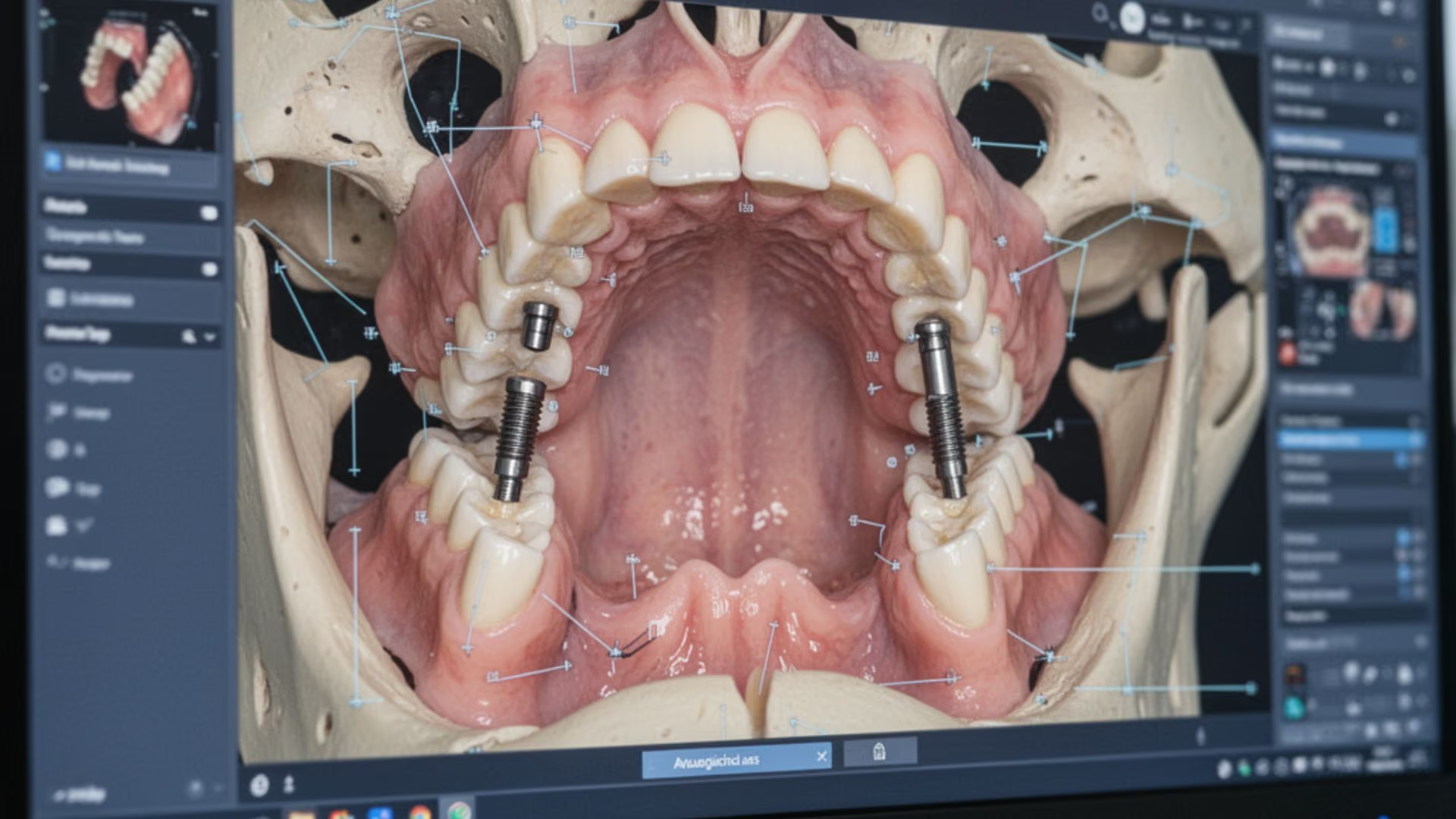
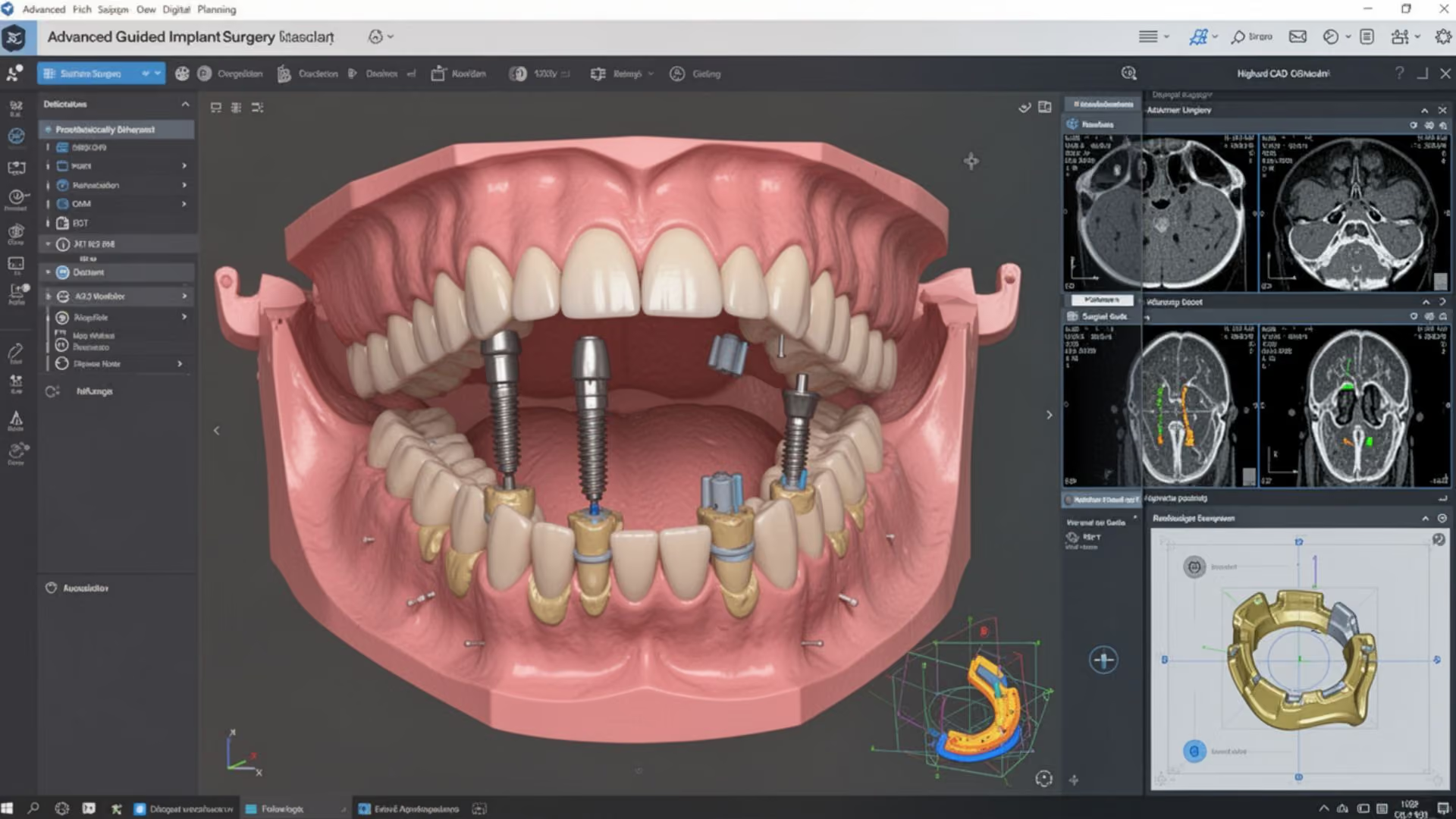
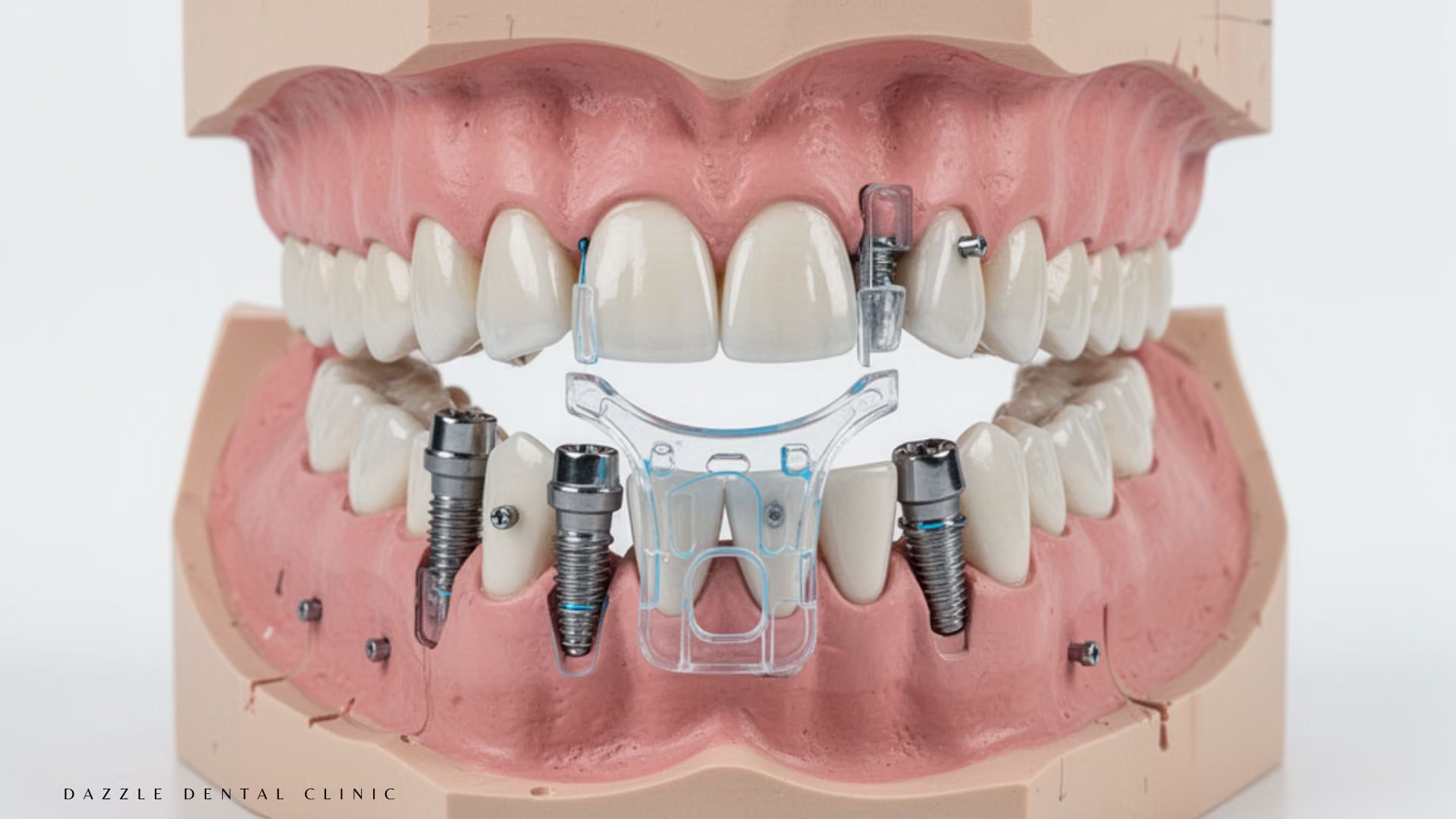
Flapless implant placement — placing an implant through a punch incision in the gum without reflecting a surgical flap — is possible only when the implant position has been precisely planned from a CBCT scan and the execution is guided by a 3D-printed surgical guide. Without the guide, flapless placement is a blind procedure that risks perforation of the lingual or buccal cortex, nerve proximity errors, and implant malposition.
At Dazzle, the virtual surgical plan is produced from the CBCT data with the prosthetic position in mind. The Asiga Max 3D printer fabricates the surgical guide from this plan. During surgery, the guide constrains the drill to the planned axis within under 1mm apex deviation and under 2° angular deviation. Where bone volume and anatomy permit flapless placement, the patient's recovery is significantly faster — no flap means no sutures, less post-operative swelling, and typically discomfort in the lower range (1–3/10). For the full guided surgery breakdown, see our guided surgery precision article.
Periodontal Surgery: Conservation Over Elimination
Modern periodontal surgical techniques prioritise tissue preservation over tissue removal. Minimally invasive surgical technique (MIST) for intrabony defects uses a single papilla-based incision with no vertical releasing incisions — providing access to the defect through the minimum opening necessary, then closing with primary intention sutures for optimal wound stabilisation and healing. Published data on MIST combined with regenerative materials (EMD, bone graft, GTR membrane) shows 3–5mm clinical attachment gain in three-wall intrabony defects.
For crown lengthening, piezo-surgical bone modification allows precise ostectomy with minimal heat generation and reduced risk to adjacent root surfaces compared to rotary instruments.
Laser-Assisted Soft Tissue Surgery
Fotona Er:YAG laser for soft tissue procedures — gingival contouring, frenectomy, second-stage implant uncovering, gingivectomy — provides haemostasis and tissue ablation simultaneously, eliminating bleeding that obscures the surgical field. Healing is significantly faster than scalpel technique.
Socket Preservation: Preventing the Problem
When a tooth is extracted with implant placement planned for a later date, socket preservation with a bone graft and membrane placed at the time of extraction reduces the amount of ridge bone lost during healing. Without socket preservation, 40–60% of socket width and 0.5–1.0mm of ridge height can be lost within 3–6 months. With preservation, this resorption is substantially reduced, often eliminating the need for a separate bone augmentation procedure before implant placement.
FAQs
Q1: Is flapless implant placement possible for all patients?
No. Flapless placement requires sufficient bone width and volume so that the implant's position is fully within bone without needing visual confirmation of the buccal or lingual cortex. Where bone volume is marginal, a traditional flap approach allows direct visualisation. The CBCT assessment determines eligibility.
Q2: Does guided surgery reduce pain after implant placement?
In flapless guided cases, post-operative discomfort is typically in the 1–3/10 range rather than the 2–5/10 range of conventional open-flap surgery. The reduction comes from the absence of flap elevation. Where a flap is still necessary, guided surgery still reduces total operative time by eliminating intraoperative repositioning.
Q3: Can a tooth be extracted and an implant placed on the same day?
Immediate implant placement at the time of extraction is appropriate in specific cases: single-rooted teeth with healthy bone walls, no acute infection, and adequate bone beyond the socket apex for initial stability. At Dazzle, this is assessed case-by-case from the CBCT and clinical examination.
Q4: What is the recovery time after flapless implant surgery?
Most patients are comfortable for travel and normal activity within 2–3 days after flapless single implant placement. Mild soreness at the punch site resolves within 48–72 hours. No suture removal is required. Full osseointegration takes 8–12 weeks regardless of whether placement was flapless or conventional.