


In a city with Mumbai’s density and variety of dental practices, “best dentist in Mumbai” is a phrase that appears on nearly every clinic’s website. It communicates nothing specific. What actually determines treatment quality, particularly for complex procedures, is more specific and more verifiable. This article explains what to look for and why it matters, with Dazzle Dental Clinic as the reference example.
Specialist Credentials: What the Qualifications Mean
In India, dental qualifications follow a hierarchy. BDS (Bachelor of Dental Surgery): the base degree, a general dentist. MDS (Master of Dental Surgery): a 3-year post-graduate degree in a specific specialty. Specialties include prosthodontics (crowns, bridges, implant prosthetics, smile design), periodontics (gum surgery, implant placement), endodontics (root canal treatment), oral and maxillofacial surgery, and orthodontics.
A general BDS dentist can legally perform any dental procedure, but has not completed the additional clinical training of an MDS specialist. For routine care (fillings, check-ups, basic restorations) this distinction is less critical. For complex care (full-arch implant surgery, comprehensive smile makeovers, advanced periodontal surgery) the specialist’s additional training produces measurably different outcomes. At Dazzle, full-time MDS specialists lead each clinical domain rather than a single generalist managing all procedures.
Multi-Disciplinary Team Structure
Complex cases require multiple specialist inputs. A patient needing full-arch implants, gum recontouring, and veneers requires an implantologist, a periodontist, and a prosthodontist. At a single-dentist or small generalist practice, all of these roles fall to one person. At a multi-disciplinary specialist clinic like Dazzle, each domain is handled by the appropriate specialist, and the specialists plan collaboratively.
The difference shows in outcomes: implant positions planned with prosthetic considerations from the start; gum recontouring timed correctly within the cosmetic treatment sequence; veneer preparation assessed against the occlusal plan rather than in isolation. Collaborative planning from the beginning produces different results than specialists encountering the patient sequentially.
Technology Access and What It Changes
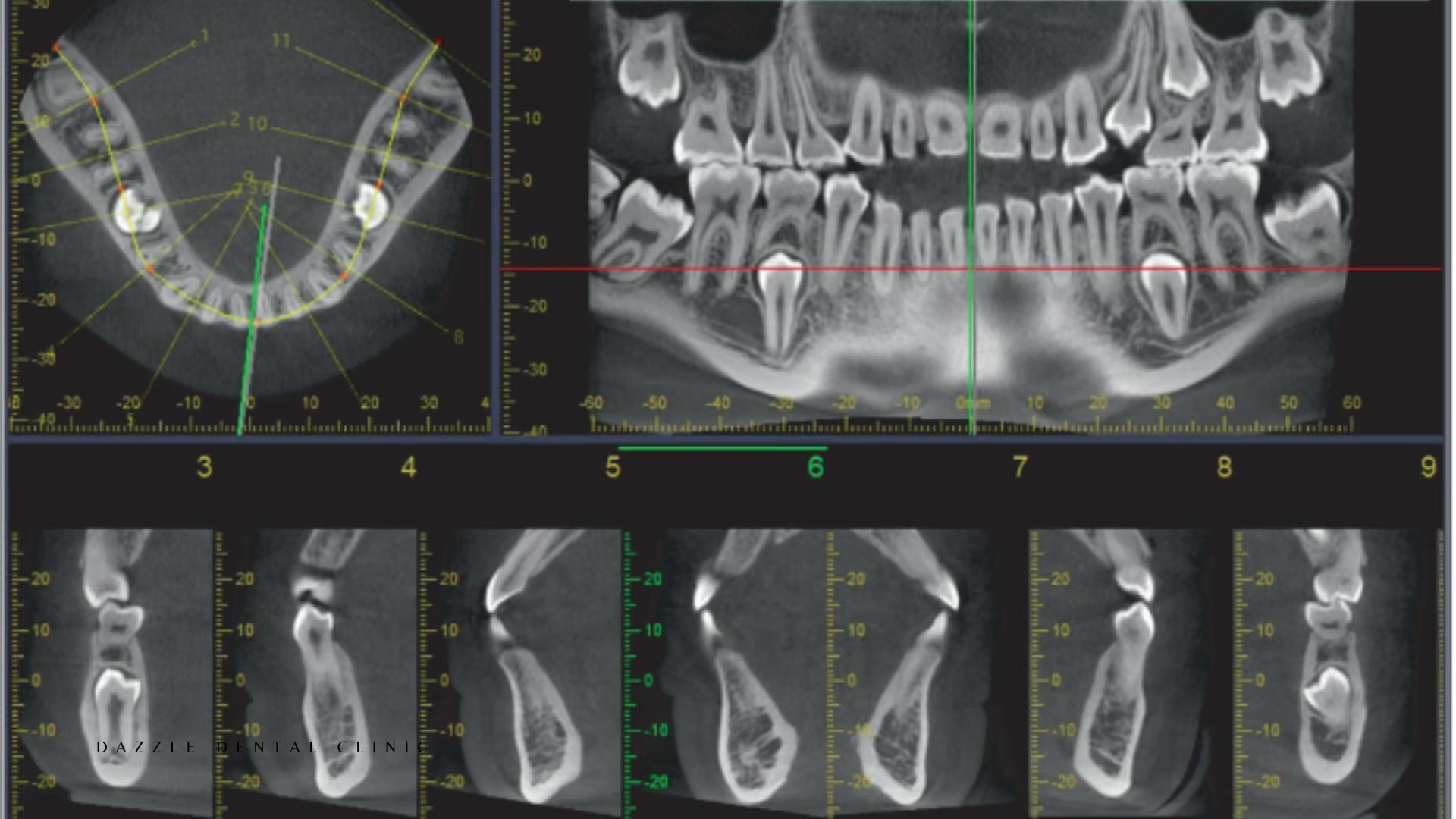
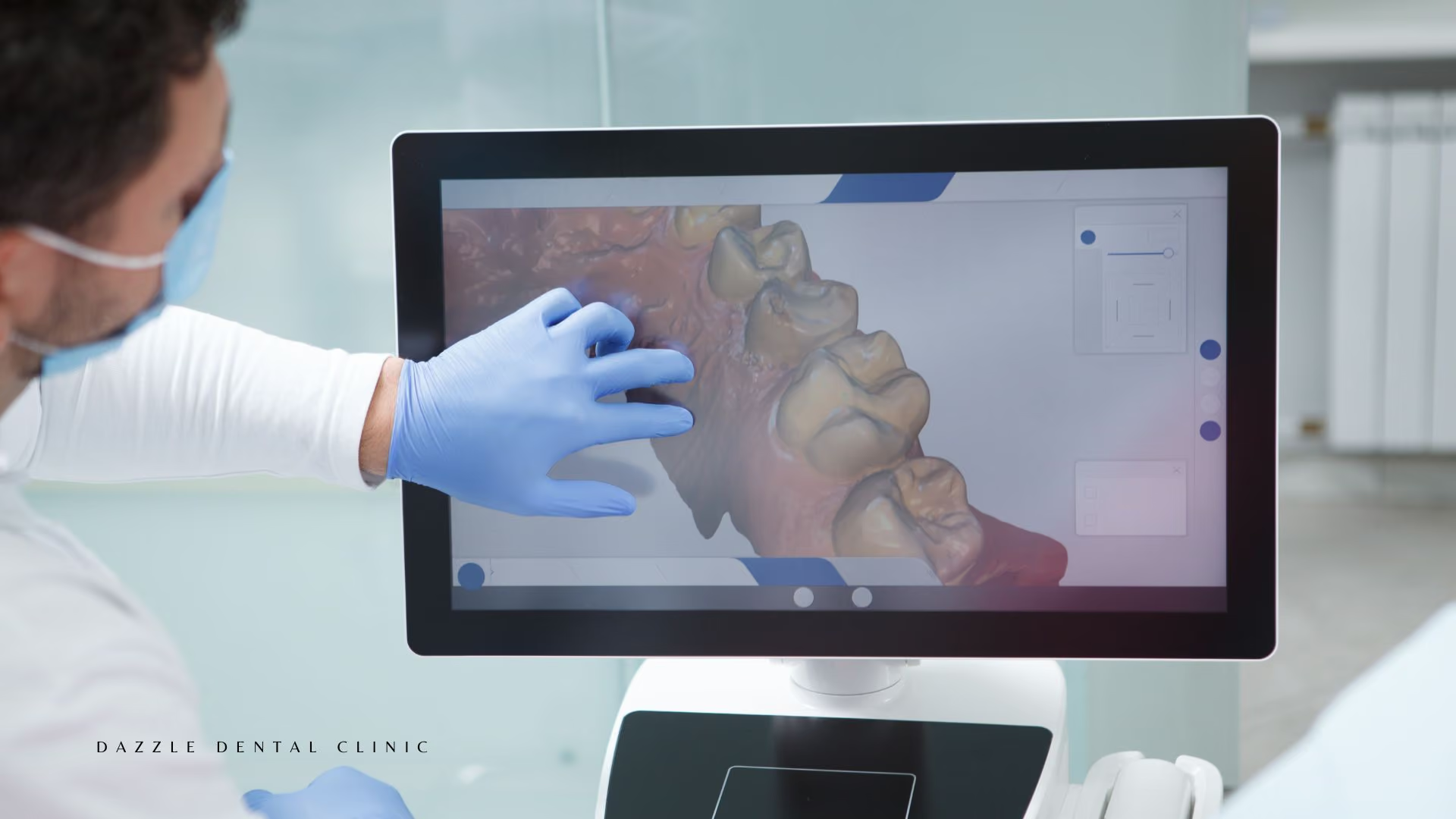
CBCT 3D imaging (in-house at Dazzle): allows bone width, height, and density measurement in three dimensions, and precise localisation of anatomical structures before implant surgery. Clinics without in-house CBCT either refer externally (adding time) or plan from 2D images (reducing precision). Intraoral scanning (TRIOS 5 at Dazzle): replaces physical impressions, improves accuracy, and feeds directly to the in-house laboratory for same-day or next-day restorations. Surgical guides (3D-printed in-house): reduce implant placement deviation to under 1mm.
Dr Rajesh Shetty and the Dazzle Clinical Team
Dr Rajesh Shetty is a periodontist (MDS, periodontics) with over 25 years of specialist clinical practice. He leads the periodontic and gum surgery work at Dazzle, including crown lengthening, gummy smile correction, soft tissue grafting, and complex implant site preparation. The Dazzle team of 15+ dentists includes specialists in implantology, prosthodontics, endodontics, and cosmetic dentistry. For complex cases, the relevant specialists are involved from planning, not called in when a problem arises.
Questions to Ask When Evaluating a Dentist
What is your specific post-graduate qualification and specialty for this procedure? How many cases of this type have you completed in the past year? Is the laboratory in-house or external, and what is the turnaround time? Is CBCT imaging used for implant planning, or 2D panoramic only? Will I receive a written treatment plan with itemised costs before any work begins?
At Dazzle, all of these questions have documented, specific answers available at consultation.
FAQs
Q1: Is an MDS specialist more expensive than a general dentist?
For complex procedures, yes: specialist consultation and procedure fees reflect the additional training and clinical experience. For routine procedures (scaling, simple fillings, basic check-ups), the cost difference is minimal and a generalist is entirely appropriate. The investment in specialist care is most justified for procedures where technique and judgement directly determine long-term outcomes: implant placement, full-arch rehabilitation, comprehensive periodontal surgery, and complex smile makeovers.
Q2: Does Dazzle see new patients for routine check-ups?
Yes. Dazzle is accessible for routine preventive care. The clinic’s primary strength is complex and specialist treatment, but routine patients are welcomed and benefit from the same technology and clinical standards applied to complex cases.
Q3: How does the in-house laboratory affect my treatment as a patient?
Faster turnaround (same-day to 2 days vs 10–14 days externally), direct communication between the treating clinician and the fabricating technician (no information loss in translation), and the ability to make adjustments within the same appointment rather than waiting for a remake. For international patients, this compresses the visit window considerably.
Q4: How do I choose between Dazzle’s Bandra West and Kemps Corner locations?
The clinical team and technology are the same at both locations. Bandra West is more convenient for patients in Bandra, Juhu, Andheri, and BKC. Kemps Corner is more convenient for Colaba, Nariman Point, Churchgate, and Lower Parel. International patients can use either depending on their hotel location.

.avif)
